
Why Winter Is a Smart Time to Plan and Complete Commercial Interior Painting
Last Updated: December 17, 2025
Winter has a reputation problem. It is cold, the days are shorter, and nobody is exactly inspired to start big projects. But when it comes to commercial interior painting, winter is actually one of the smartest times to plan and get work done.
While many property managers and facility teams instinctively wait for spring, winter offers a unique combination of availability, efficiency, and long-term advantages that often get overlooked.
Let’s break down why winter deserves a second look.
Fewer Disruptions, Better Scheduling
In many commercial environments, winter is a quieter season. Office traffic slows, tenant turnover increases, and certain facilities operate at reduced capacity. That creates ideal conditions for interior painting.
With fewer people moving through the space, painters can work more efficiently and safely. There is less need to work around daily operations, fewer interruptions, and more flexibility when it comes to scheduling phases of the project.
In short, the building cooperates a little more in winter.
Better Access to Skilled Crews
Spring and summer tend to be peak seasons for many contractors. Calendars fill fast, timelines tighten, and flexibility can disappear quickly.
Winter, on the other hand, often allows for better access to experienced crews and more predictable scheduling. Projects can be planned carefully in a way that really works for you.
That extra breathing room usually translates to smoother execution, clearer communication, and fewer last-minute surprises.
What to Look for in a Rhode Island Commercial Painting Contractor
Before you commit to a commercial painting contractor in Providence, Warwick, or anywhere in between, it helps to know exactly what separates the true professionals from the “We’ll figure it out when we get there” types.
1. Experience With Commercial Properties
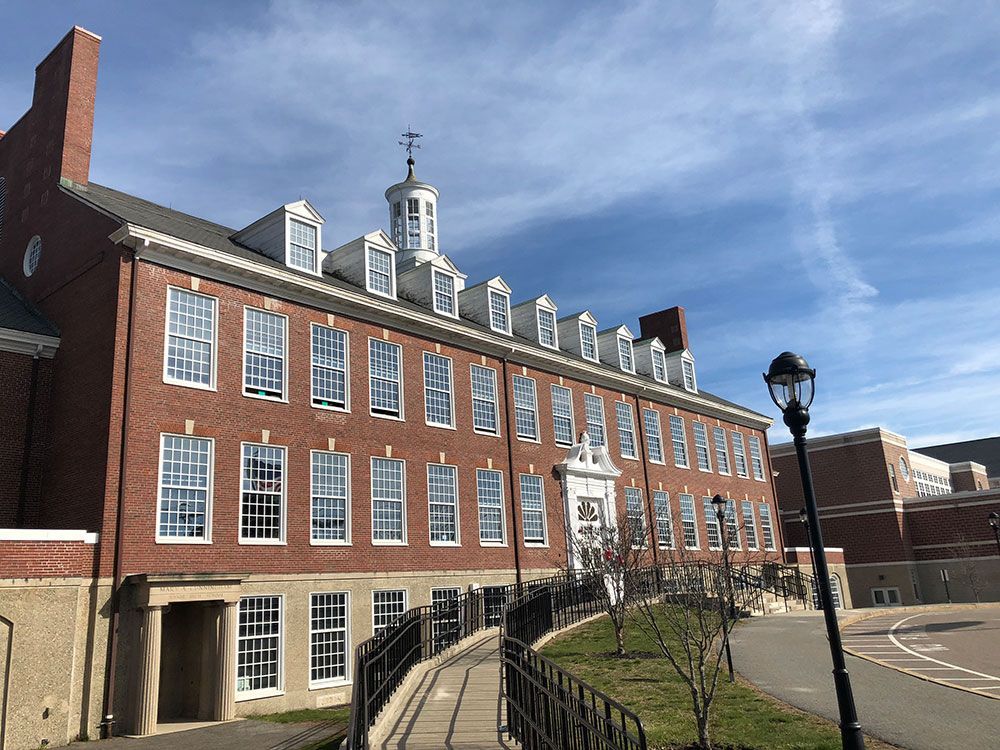
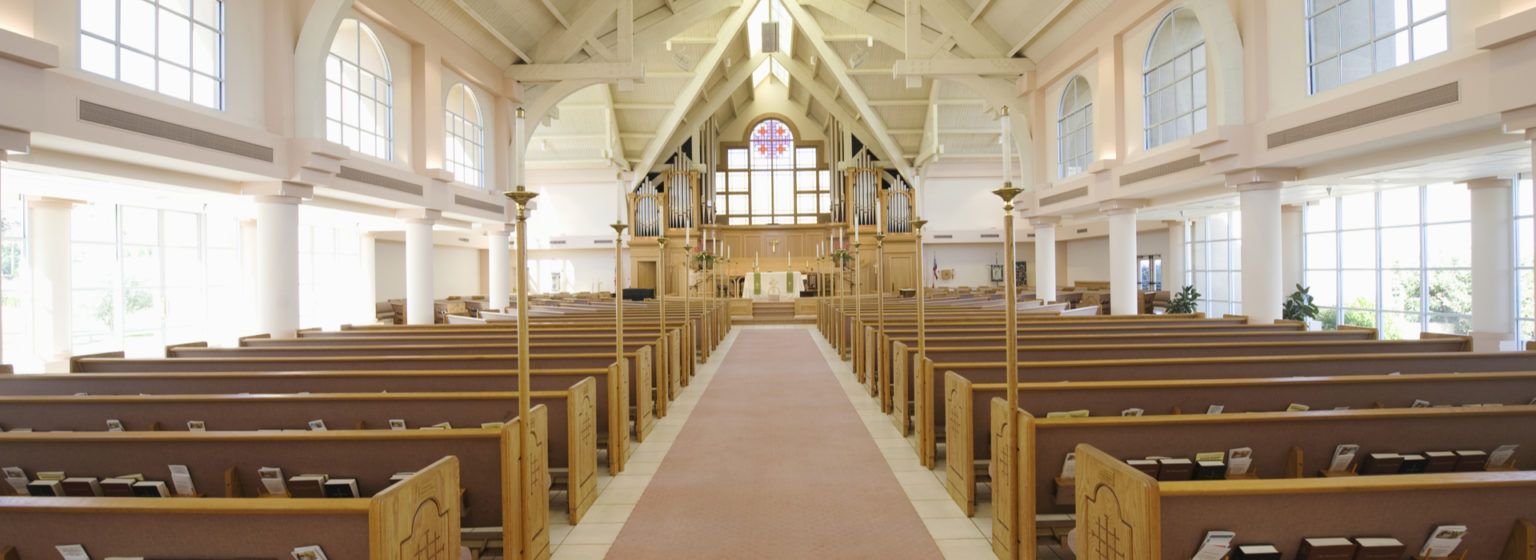
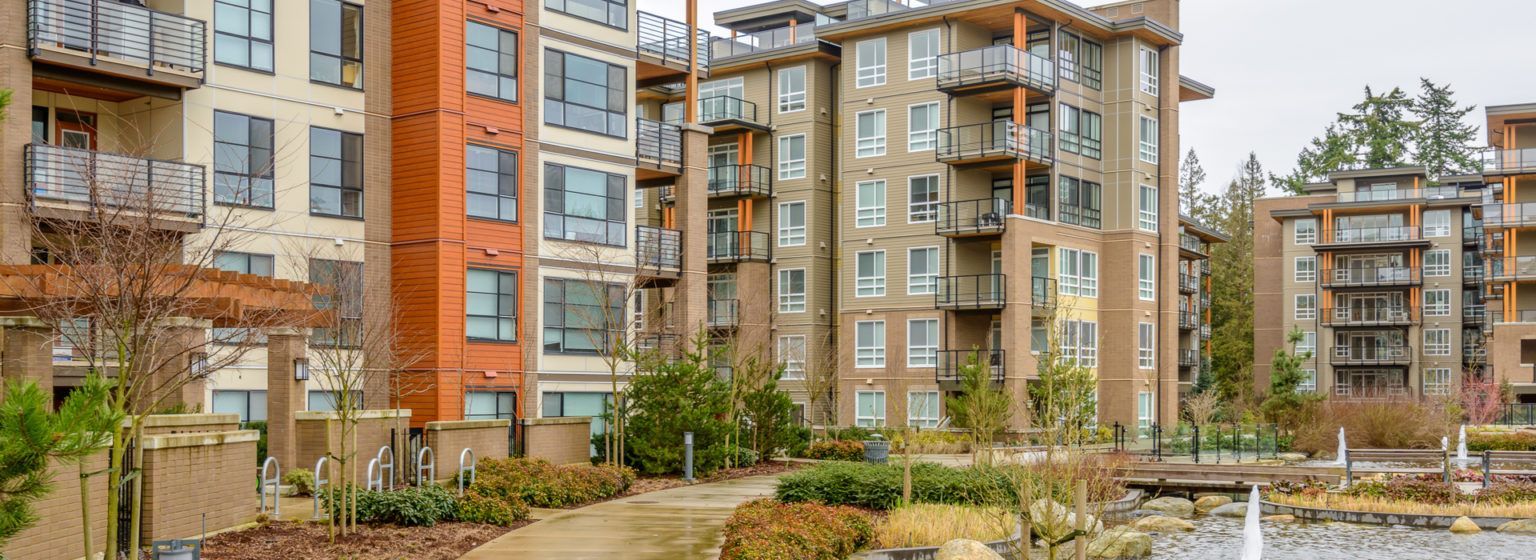
Not all painting projects are created equal. Commercial work demands experience with buildings like office spaces, retail plazas, industrial facilities, multi-unit housing, and schools, churches, or municipal properties. Each type of structure has different surfaces, foot traffic patterns, and coating needs.
Commercial jobs also require planning, staging, coordination, and an understanding of how to work around people and operations, not to mention navigating permits, lift equipment, and tricky surfaces. If a contractor’s portfolio is 95% residential, that’s a warning sign.
2. Ability to Minimize Business Disruption
In cities like Providence and Warwick, shutting down operations for a paint job is rarely an option. Ask how the contractor plans to:
- Schedule work (overnight? weekends?)
- Contain dust and odors
- Protect furniture, inventory, or equipment
- Keep hallways and entrances accessible
- Coordinate around tenants or customers
3. Safety, Insurance & Certifications
Commercial painting often involves hazards that go far beyond a typical residential job, like heights, lifts, scaffolding, and OSHA-regulated environments. A qualified contractor should carry general liability insurance, workers’ compensation, proper lift certifications, and OSHA training to protect everyone on site.
Safety isn’t optional. It protects both your people and theirs, ensures workflow continuity, and gives you peace of mind that the project is being handled responsibly from start to finish.
4. Clear, Detailed Proposals
A strong commercial painting proposal includes:
- A full scope of work
- Surface prep details
- Product and material specifications
- Estimated timelines
- Pricing breakdown
- Warranty information
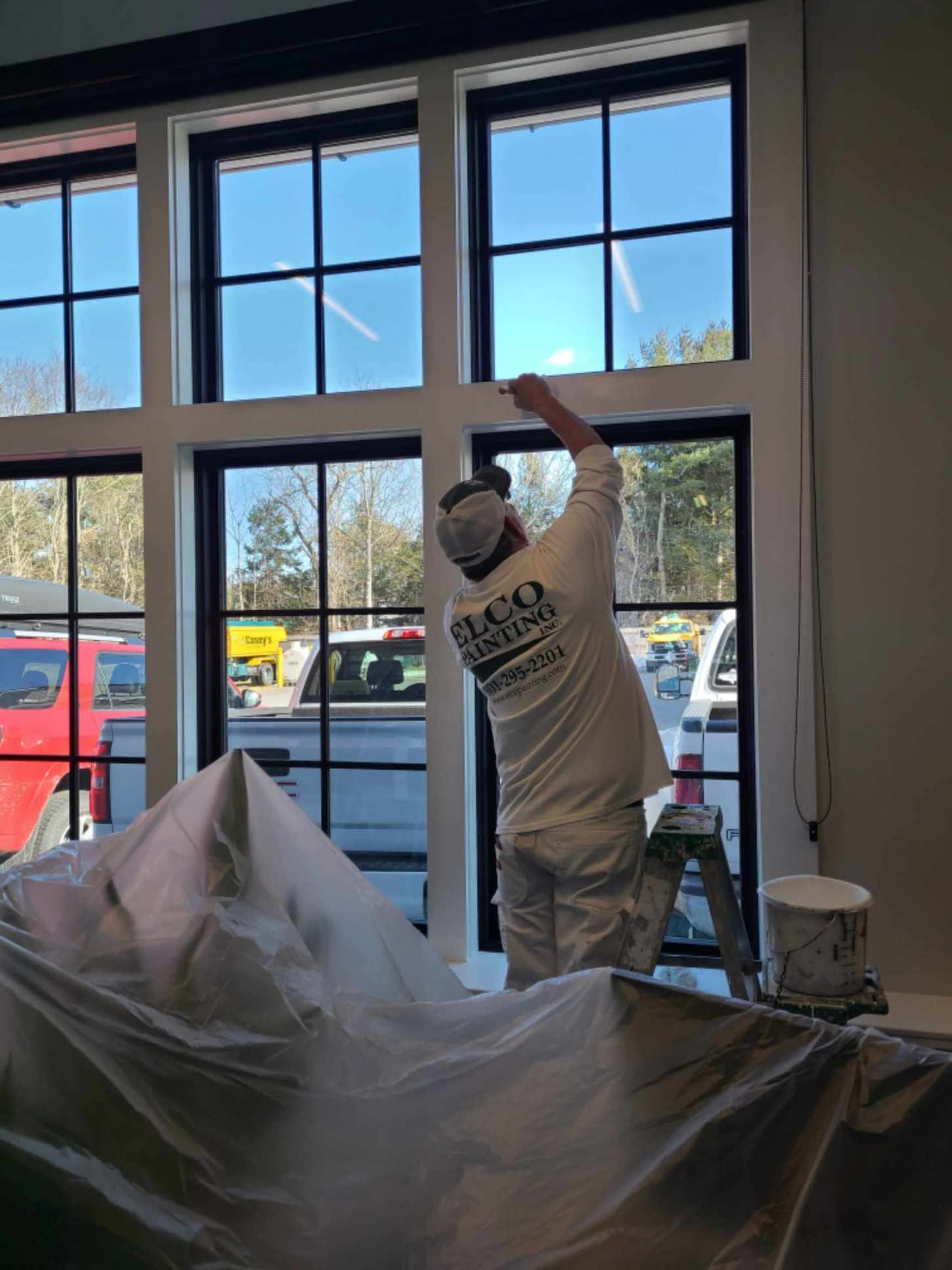
Interior Upgrades Make a Big Visual Impact
Interior painting delivers one of the highest visual returns for commercial spaces. Fresh coatings improve lighting, cleanliness, and overall perception without the cost or complexity of major renovations.
Common winter interior painting projects include:
- Offices and administrative spaces
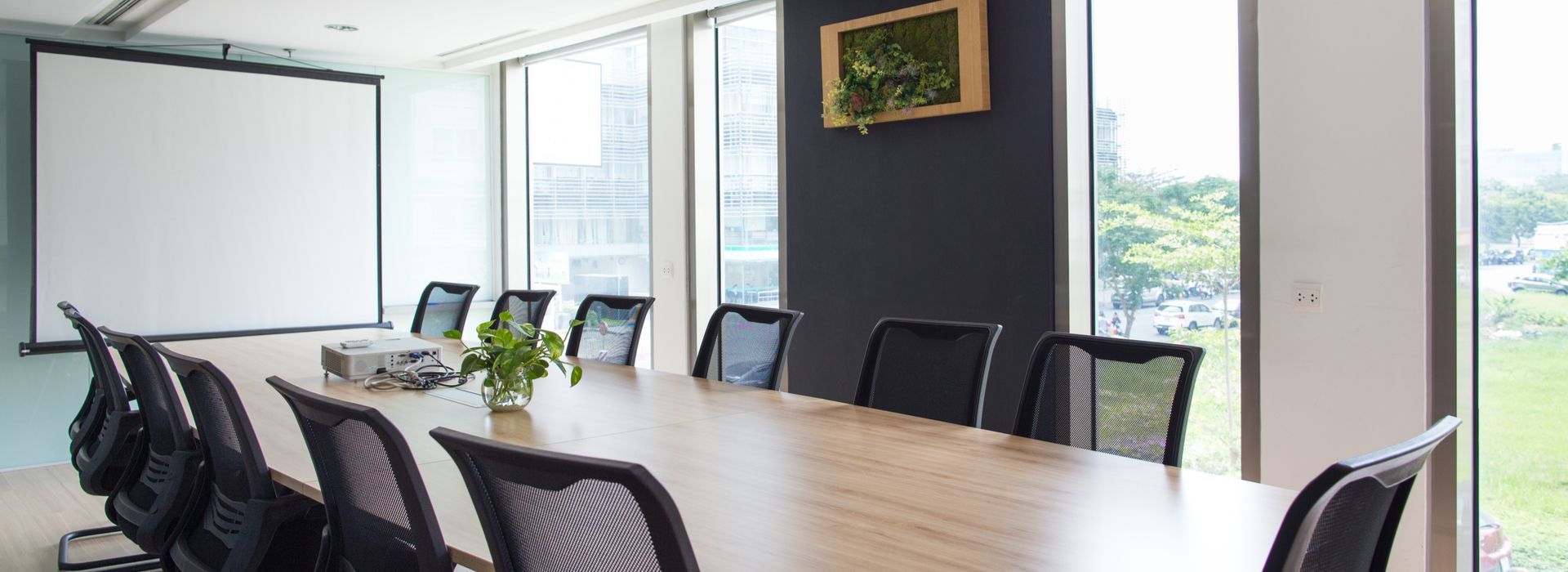
- Common areas and corridors
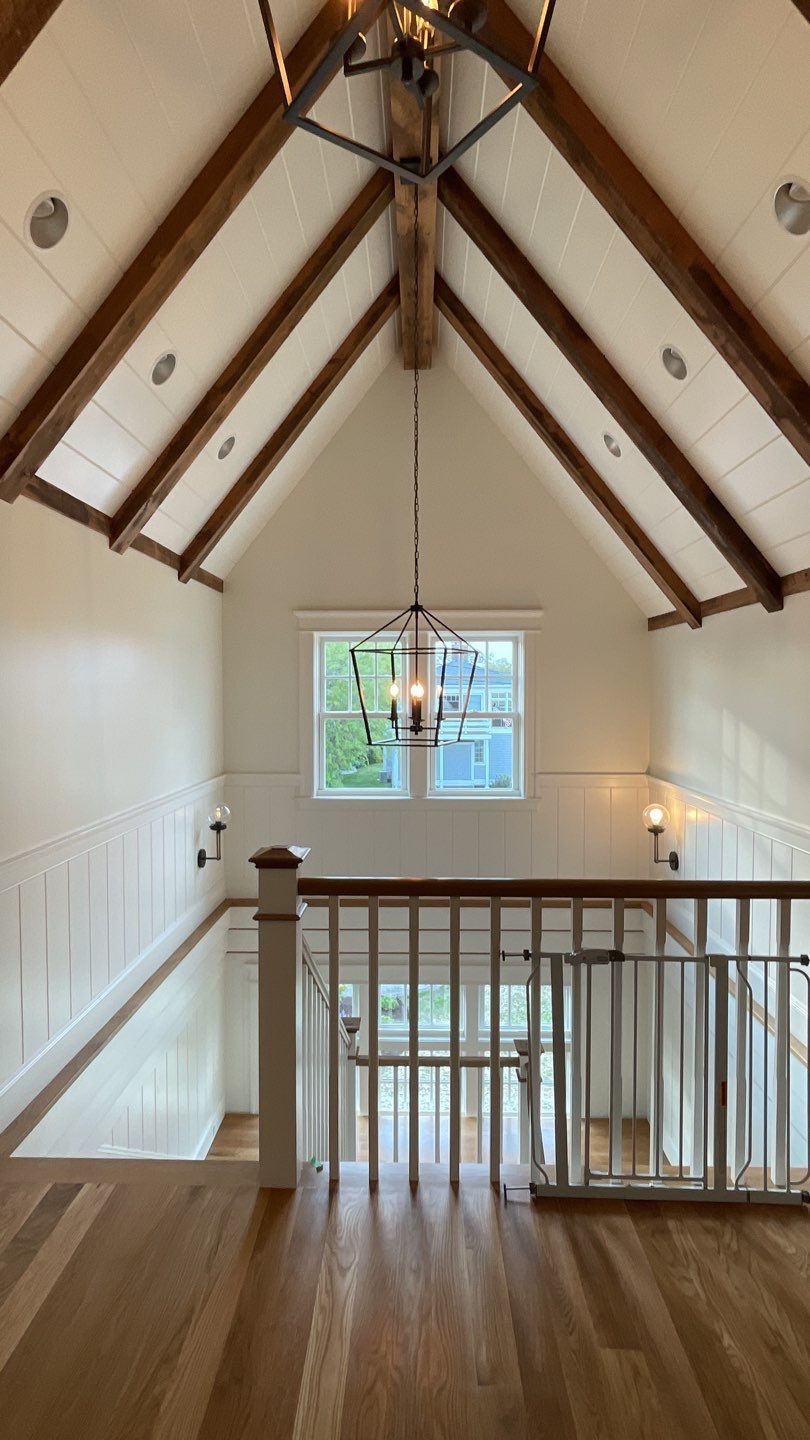
- Stairwells and lobbies
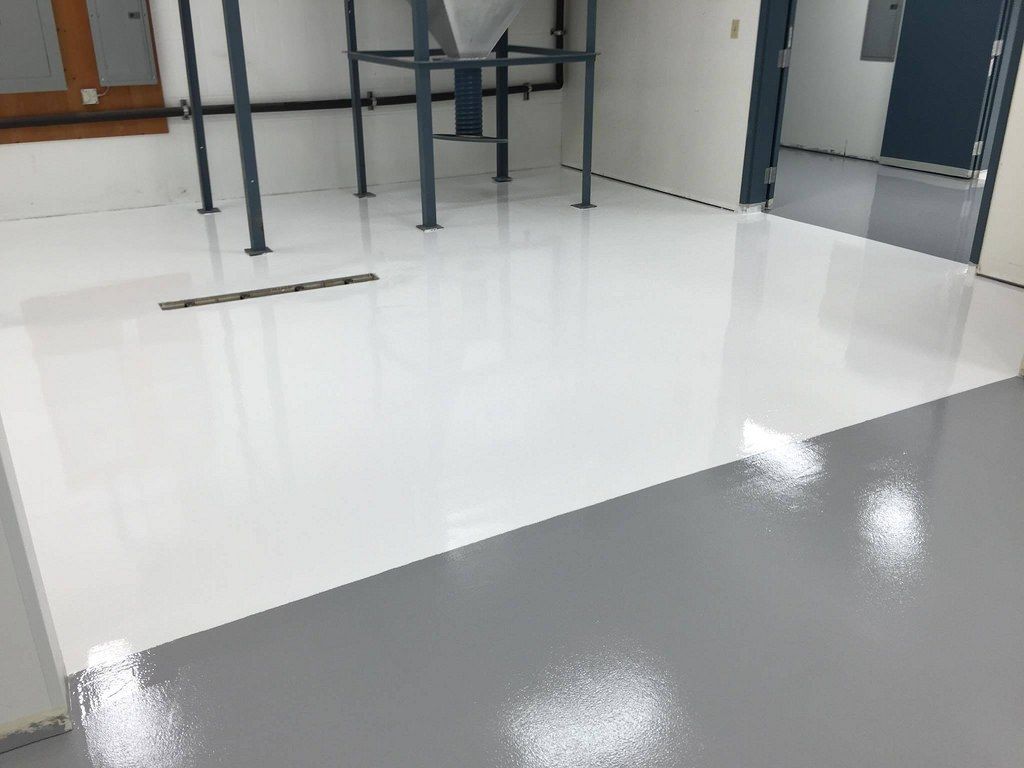
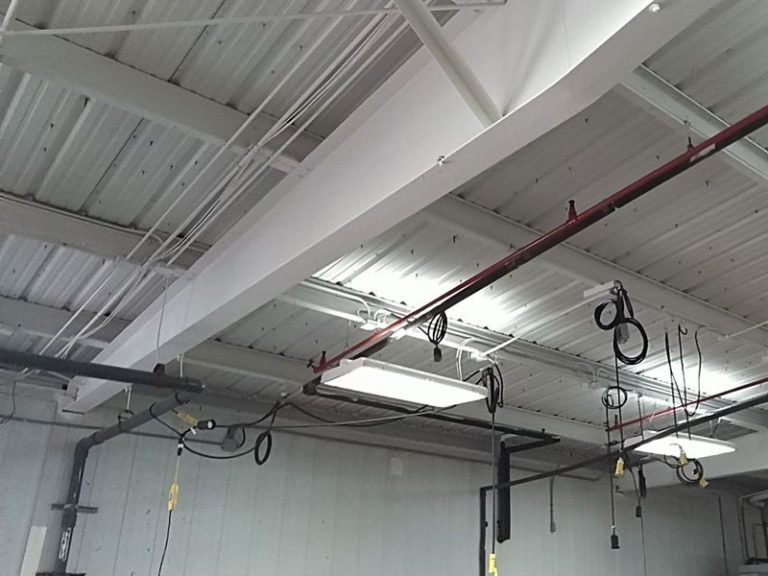
- Industrial interiors and utility spaces
These updates quietly improve the daily experience of occupants while reinforcing the professionalism and care put into the facility.
Why Planning Matters as Much as Painting
Winter is not just a good time to paint. It is also a smart time to plan.
Careful planning allows surfaces to be evaluated properly, prep work to be scoped accurately, and coatings to be selected based on real-world use. Issues like wear patterns, moisture concerns, and long-term maintenance can be addressed before they become larger problems.
Good planning now leads to fewer headaches later.
Final Thoughts
While others wait for warmer weather, winter projects can actually move forward calmly and efficiently. By the time spring rolls around, the space is already refreshed, protected, and ready for what comes next!
Sometimes the smartest move is doing the work when no one else is thinking about it.