
Top FAQs About Cabinet Painting in Rhode Island

November 19, 2025

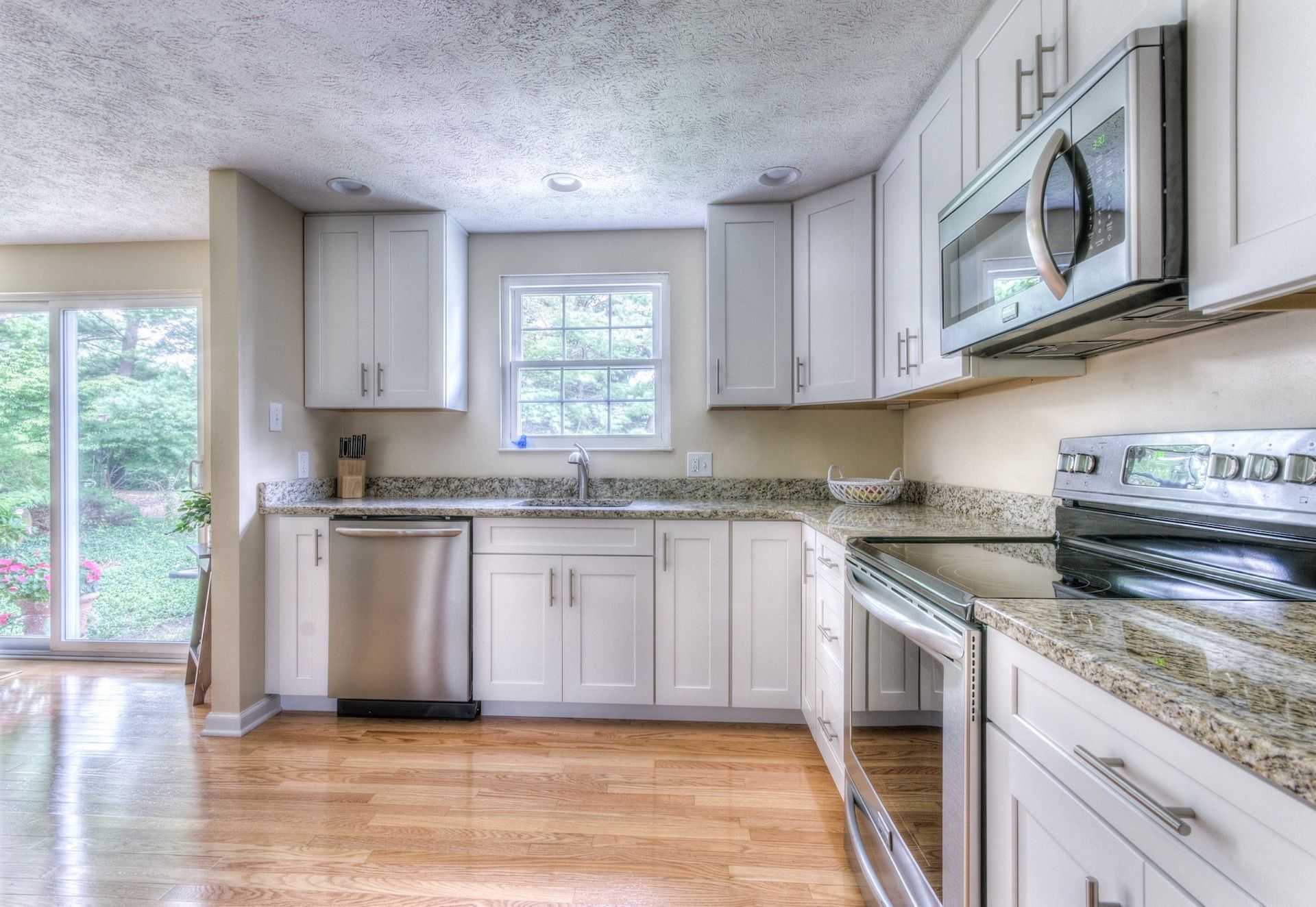
Are you staring at your kitchen cabinets wondering, “Could I just repaint these instead of ripping them all out?” 


You’re not alone. 


In Rhode Island, where charming homes often come with original woodwork, the prospect of giving cabinets a fresh finish without full replacement is very real. But before you jump in, it’s wise to answer some of the common questions homeowners ask (and sometimes wish they’d asked sooner).


First Things First: Why Repaint Cabinets Instead of Replacing Them?

Replacing cabinetry is expensive, messy, and generally disruptive - think days of living without your kitchen and leftover pizza for breakfast because your stove is behind plastic sheeting. By contrast, a well-executed cabinet painting or refinishing job can give you a brand-new look at a fraction of the cost and hassle. It’s particularly smart in older Rhode Island homes, where the structure is often sound but the finish is tired or dated.


Here are the top questions we hear. 


1. How much does cabinet painting cost?


Costs vary widely depending on size, condition, and finish, but expect something significantly less than full replacement. Factors include how many doors/drawers you have, what type of wood or material, how much prep is required, and whether you want special finishes (e.g., glaze, two-tone, custom color). If your current cabinetry is in decent shape, the cost is often a pleasant surprise.


2. How long will it take?


Timing depends on scope. A smaller kitchen might be done in a few days; larger or more complicated jobs (lots of doors, custom details) might take a week or more. The key is proper prep. Cleaning, de-glossing, sanding, and priming take time, but skipping them results in peeling paint or visible brush strokes down the road.


3. Do you have to remove all the doors and hardware before painting cabinets?


Yes, removing doors, drawers, and hardware simplifies installation and ensures every surface gets properly prepped and coated. This step might require moving some items into a temporary space, but it prevents masking lines, uneven finishes, and other regrets later. It’s worth doing right.


4. What kind of finish will last in a kitchen?


You’ll want a hard-wearing finish designed for cabinetry and high-traffic use. Many pros in Rhode Island recommend a high-quality acrylic or polyurethane top coat. These finishes resist chips, stains, and the humidity swings through our New England seasons. Choose your product with longevity in mind, because peeling cabinets in six months is not fun.


5. Can I pick any color I like?


Absolutely. But remember, cabinets are long-term. A trendy color is fine, but consider how it will play when you next sell (or if you get tired of bright teal). Many Rhode Island homeowners choose timeless neutrals with one accent color to balance boldness and resale appeal.
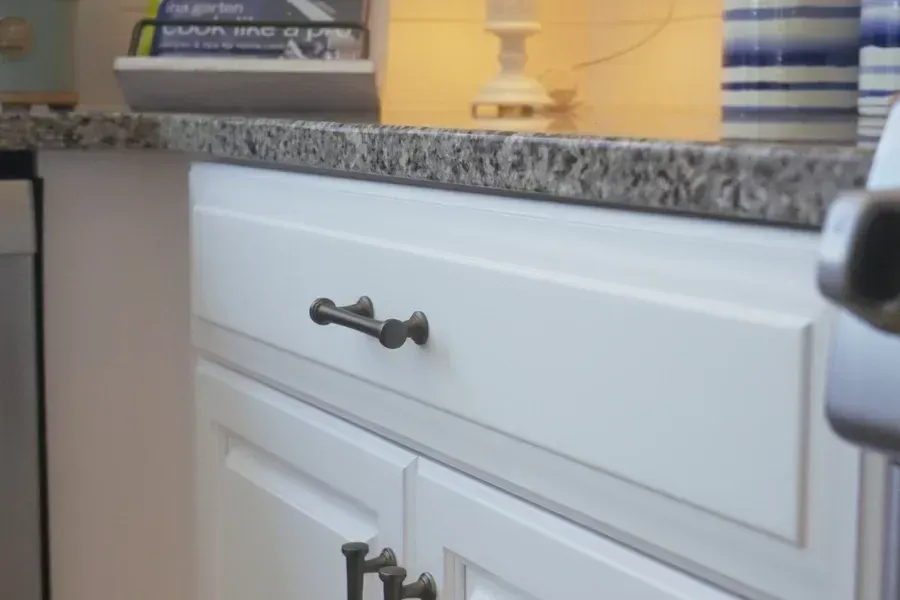
6. What about the rest of the kitchen—do I need to repaint walls or change countertops?


Not always, but it’s worth considering. If your cabinets get a dramatic new color, the walls and countertops may feel out of place. Some homeowners take this chance to refresh trim, backsplash or hardware for a complete upgrade. But if you’re working on a budget, it’s fine to leave walls alone as long as the contrast works.


7. What happens if I skip proper prep?


Incomplete sanding, poor priming or ignoring surface damage can lead to flaking paint, bubbled finishes, or visible wear early. 


8. How long will the new finish actually last?


With proper prep and a high-quality coating, professionally painted cabinets typically last 8–10 years or more before needing a refresh. In many Rhode Island homes, especially those with older, solid-wood cabinetry, the finish can last even longer. The key is simple maintenance: wiping spills quickly, avoiding harsh cleaners, and giving the occasional sticky cabinet (looking at you, one next to the stove) a gentle clean.


9. Can I still use my kitchen while everything is being painted?


Mostly, yes. Your fridge will still be accessible, and no one will stop you from making coffee. Just expect a few minor inconveniences: doors will be off for a few days, items might need to be shifted around, and you’ll want to avoid heavy cooking while coatings cure. For most homeowners, the kitchen is still functional, just slightly “in makeover mode.”


10. Will painted cabinets look brand new or can you still tell they were painted?


When done professionally, painted cabinets look incredibly crisp and smooth. Most people can’t tell the difference between a factory finish and a high-quality spray application. You shouldn’t see brush marks, drips, or texture. If your cabinets have heavy wood grain, that grain may still show subtly through the finish (which some homeowners love). Otherwise, the final result should look like a brand-new set of cabinets without the brand-new price tag.

Quick Checklist: What to Ask Your Painter

Before you land with a painting company, you want to make sure they’re not afraid to give you answers. Here’s where you can start: 

  • Do you remove and reinstall all doors, drawers and hardware?
  • What brand and finish of paint do you use, and why?
  • How many coats are included?
  • How long will my kitchen be out of commission (or at least partially)?
  • What surface prep is included?
  • Is cleanup included: dust control, repositioning your hardware, finishing touches?
  • Do you have a dedicated spray shop, or will you be painting the cabinet doors and drawers in my home?


Final Takeaway

If your cabinets are looking weary, dated, or just not “you” anymore, repainting offers a smart way to refresh your space without a full renovation. Choose a trustworthy partner who knows the region (and the seasonally shifting climate challenges we face), ask the right questions, and then open the door to a kitchen you’re excited to use! 

November 30, 2025
Choosing a commercial painter in Rhode Island? Learn what to look for, what to avoid, and how to ensure a smooth project in Providence, Warwick, and beyond.
October 31, 2025
Fall in Rhode Island is more than pumpkin patches and football weekends (to be clear, it is definitely mostly about that). But it’s also prime time for painting. The air is dry, the temperatures are steady, and the sun isn’t scorching your siding. It’s basically nature’s invitation to tackle projects you’ve been putting off. From exterior touch-ups to an interior refresh before the holidays, fall gives homeowners that rare combination of good weather and motivation, and that’s worth taking advantage of. Ready to grab a brush (or at least a plan) and get a few things checked off before the frost sets in? Consider this article your first line item. Why Fall Is Ideal for Painting in Rhode Island Autumn weather in New England offers something that painters love: stability. It’s not too hot, not too humid, and rarely too cold. Paint adheres better, dries evenly, and doesn’t blister under direct sunlight like it can in midsummer. Cooler temps also mean painters, whether you or a professional crew, can work longer without racing the clock or baking under a high sun. Add in fewer bugs, drier air, and reduced pollen, and you’ve got the recipe for beautiful finishes inside and out.
October 22, 2025
Transform your Rhode Island kitchen with professional cabinet painting. Discover the process, benefits, and why quality makes all the difference.
September 29, 2025
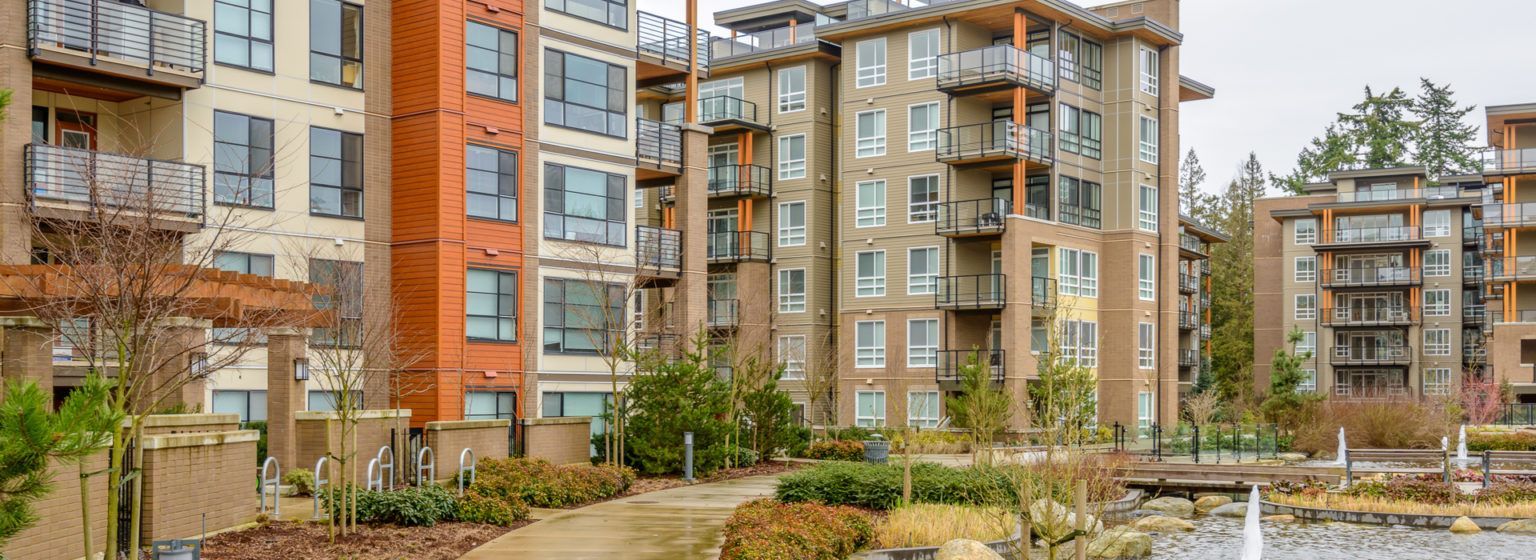
Like many historic mills in New England , this building carried the weight of decades: peeling paint, dust, grime, and coatings that had long since lost their integrity. Ceilings, brick walls, and wood columns were all hidden beneath layers of paint that dulled the building’s original character. Simply painting over the old surfaces wasn’t an option. To get it ready for renovation, and its next phase of life as modern apartments, the space needed to be stripped back to its bones, restored, and sealed. That’s where our specialized sandblasting services came in. The Process: Sandblasting, Step by Step Sandblasting is as much about precision as it is about power. For this project, we worked floor by floor over three levels, using specialized equipment to remove years of buildup. Protecting the space. Before blasting, we set up containment to control dust and debris, ensuring the process stayed safe and efficient. Stripping surfaces. Using the right abrasive medium and calibrated pressure, we blasted away paint from the ceilings, brick, and wooden support columns. The goal wasn’t to erase history but to reveal it; to uncover the original materials while preserving their integrity. Revealing character. Once stripped, the natural beauty of the brick and timber shone through, showing off the craftsmanship that had been hidden for years. It never gets old!
September 17, 2025
Looking for cabinet color inspiration? Explore trending blues, greens, and whites, and see why painting is a smart alternative to full replacement.
August 19, 2025
In North Kingstown, the kitchen is often the busiest room in the house; part cooking space, part gathering spot, part drop zone for everything from school backpacks to yesterday’s mail. Which also means your cabinets can start to show the battle scars over time: faded finishes, chipped corners, and maybe a mystery stain or two. When that happens, you’re faced with a choice: replace your cabinets entirely or give them a professional paint makeover? Well, when done right, painting can actually transform your kitchen, extend the life of your cabinetry, AND cost far less than a full remodel! (Plus, it spares you from spending weeks reheating dinner in the laundry room). Why Cabinet Painting? Painting your cabinets can give your kitchen a fresh, modern look without the price tag (or demolition dust) of a full remodel.  Some of the biggest benefits include: Cost savings: On average, cabinet painting costs 50 to 70% less than full replacement. Less disruption: Most professional cabinet painting projects take 4 to 7 days, and your kitchen stays mostly functional during the process. A full replacement can take 3 to 6 weeks or longer. Eco-friendly: Reusing your existing cabinets can prevent hundreds of pounds of wood, metal, and composite materials from ending up in a landfill. Customization: Choose any color, from crisp whites to bold blues, for a personalized style. Think of it as the difference between buying an entirely new wardrobe or just getting your clothes tailored and dry-cleaned. Both improve your look, but one is a lot gentler on your wallet.
July 30, 2025
Rhode Island weather doesn’t go easy on buildings. Between salty winters, humid summers, and everything in between, your commercial property’s exterior is working overtime just to keep up appearances. That’s why we put together this seasonal checklist to help you stay ahead of the wear and tear. Whether you manage a restaurant, retail storefront, office building, or high-traffic hospitality space, staying proactive with exterior maintenance protects your investment, boosts curb appeal, and keeps your business looking as sharp as the service you offer. Let’s walk through what to watch for, season by season. Spring: Refresh and Recover After a long winter, spring is about repair and renewal. Snow, salt, and ice can take a toll on every surface, so now’s the time to clean up and fix the damage. What to focus on: Inspect roofing and flashing for signs of water intrusion, missing shingles, or debris buildup. Clean out gutters and downspouts so spring rain drains properly instead of pooling. Power wash sidewalks and patios to remove grime, salt, and mildew. Touch up or repaint worn areas of your façade, signage, or trim, especially if peeling paint is visible. Inspect windows and doors for broken seals or cracked glass. Refresh landscaping to reframe your exterior with clean lines and healthy greenery. Pro tip: Spring moisture can hide mildew in shaded areas. If power washing doesn’t cut it, a repaint with the right mildew-resistant coating will make a big difference.
July 17, 2025
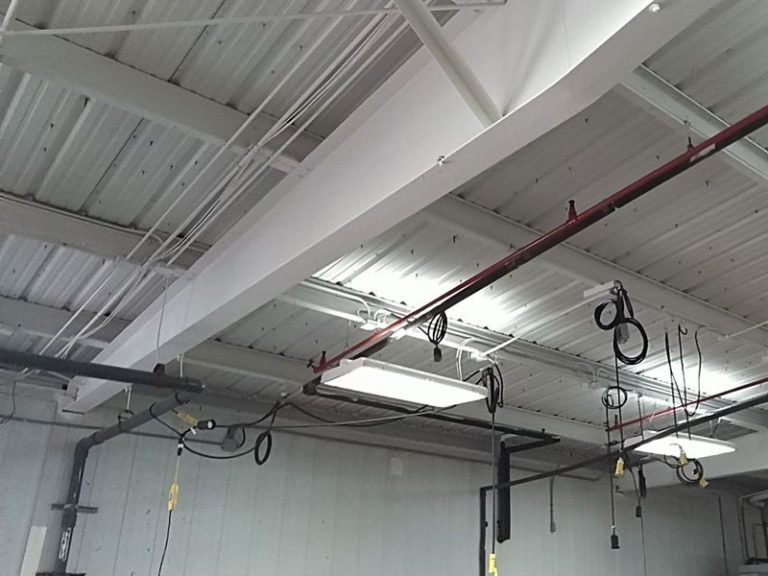
We’re excited to share a recent commercial repaint that really showcases what Elco Painting is all about: efficiency, precision, and of course, a top quality finish. This project took us to Warwick, Rhode Island, where we tackled a full warehouse repaint with a tight two-week turnaround. Yes, it was a big space. And yes it was a tight timeline. But too much for us to handle? Not a chance! Let’s walk you through how we made it happen and why projects like this are such a good fit for our team. The Scope: A Full-Scale Commercial Warehouse Repaint Commercial warehouses don’t paint themselves, and this one was ready for a fresh coat. We were brought in to transform the look and feel of the space, inside and out. Here’s what was involved: Ceiling spray application with dry fall paint. We used this specialized product for fast coverage and minimal cleanup. Dry fall is ideal for high ceilings. Basically overspray dries before it hits the ground, meaning less mess and more control. Bright white repainting of walls and overheads. Clean white brings instant brightness to a space like this, improving lighting and making everything feel more modern and organized. Bold orange accents on beams and columns. This was a standout design decision. It not only gave the space a pop of color but also helped define structural elements visually, which can be a big plus in busy, high-traffic facilities. We knew the clock was ticking, and planning was everything. From mobilizing the right crew to choosing the right materials, we coordinated every phase of the project to meet the deadline without cutting corners. Watch the quick video below to see a before, during, and after perspective!
By Christine Lekberg June 30, 2025
When it comes to sprucing up your deck , you’ll eventually run into The Question. You know the one: “Should I stain my deck… or paint it?” It’s a tough call. Both options offer protection. Both can look great. And both come with their own baggage. In this post, we’re unpacking the pros, cons, and all the murky in-between so you can confidently choose the finish that fits your deck and your sanity. No deep YouTube rabbit holes required. The Basics: What’s the Real Difference? Before you can pick sides, you’ve gotta know the players. Stain and paint may both live in the same aisle at the hardware store, but they’re totally different animals when it comes to how they treat your wood. Let’s break down what each one actually does. Staining soaks into the wood, enhancing its natural beauty, letting the wood grain shine through. Painting, on the other hand, coats the surface, covering blemishes and adding color. Want a white deck? Navy blue? Go for it. Just remember: you’re covering the wood grain entirely. Durability: Does Paint or Stain Last Longer On a Deck? Let’s not sugarcoat it: paint is more durable, especially the high-quality exterior kind. It forms a thick barrier that helps repel UV rays, moisture, and other deck-destroying villains. Stain isn’t as robust, but it’s no slouch either. Oil-based stains offer solid protection and tend to wear away gradually, which sounds bad, but it’s actually easier to manage. So who wins? If your deck gets a lot of sun or moisture, paint does last longer. But that doesn’t mean it’s always the better choice…
May 18, 2025
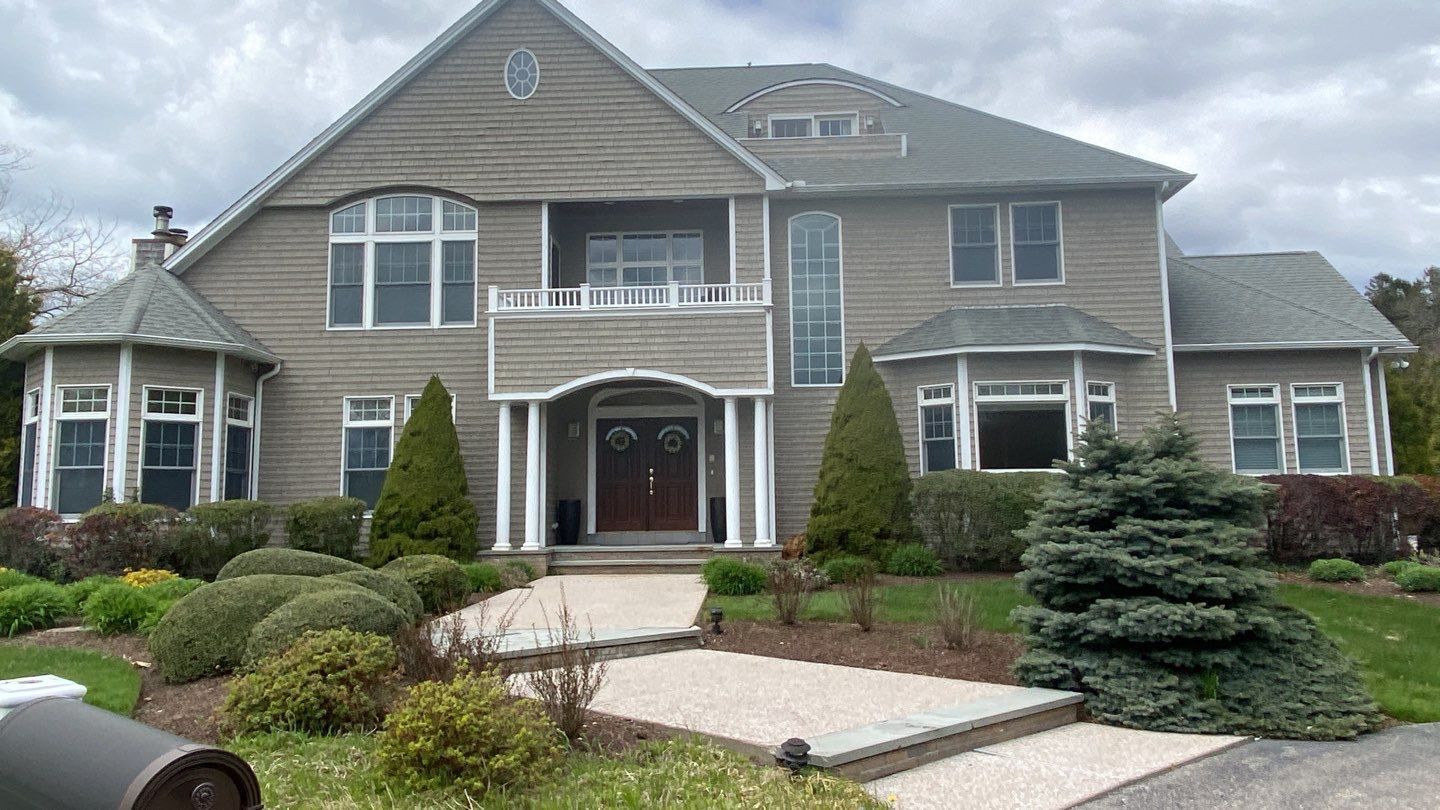
When the days get longer and the weather warms up, it’s not just beachgoers and boaters heading outside; it’s painting crews, too. Summer is prime time for giving your building a facelift, whether it’s a touch-up or a full exterior repaint . But before you break out the color swatches and book a crew, there’s one thing you need to know: good painting starts with great prep. Whether you own a commercial building in Providence, manage a multi-family property in Warwick, or run a boutique storefront, this guide will help you get your building paint-ready, so your summer project finishes on time, on budget, and without the “uh-oh” surprises. Assess Before You Address Before anyone shows up with a paint sprayer, it’s time to take a walk around the building. What’s peeling? What’s faded? What’s quietly rotting behind the trim like a summer horror story? Paint won’t stick to problems; it just hides them for a minute. So check for things like wood rot, water damage, cracks in siding, or loose trim. If you spot anything questionable, now’s the time to call in a pro. Plan Your Exterior Repaint Around the Weather (Because It’s Rhode Island, After All) Summer may be painting season, but let’s be honest: Rhode Island weather has a flair for the dramatic. One minute it’s sunny and dry, the next it’s 85 degrees with 90% humidity and a surprise thunderstorm thrown in just because. Paint loves stable weather—ideally between 50° and 85°F, with low humidity and no rain in the forecast. So plan your project with a bit of buffer time. Don’t schedule tight deadlines that hinge on a perfect 3-day stretch. Spoiler: Mother Nature does not care about your calendar.