The Complete Guide to Industrial Epoxy Flooring in Rhode Island: Applications, Benefits, and ROI
Last Updated: February 27, 2026
No one gathers around a conference table saying, “You know what really excites me? Concrete performance.”
And yet, in commercial and industrial spaces across Rhode Island, epoxy flooring quietly solves a long list of very real problems. It takes on heavy traffic, rolling equipment, chemical spills, moisture, and daily wear without asking for much attention in return.
If your facility floor is cracked, dusty, hard to clean, or constantly in need of repairs, epoxy flooring is worth a closer look. This guide breaks down where industrial epoxy flooring works best, what benefits actually matter, and how to think about return on investment in understandable terms.
What Is Industrial Epoxy Flooring, Really?
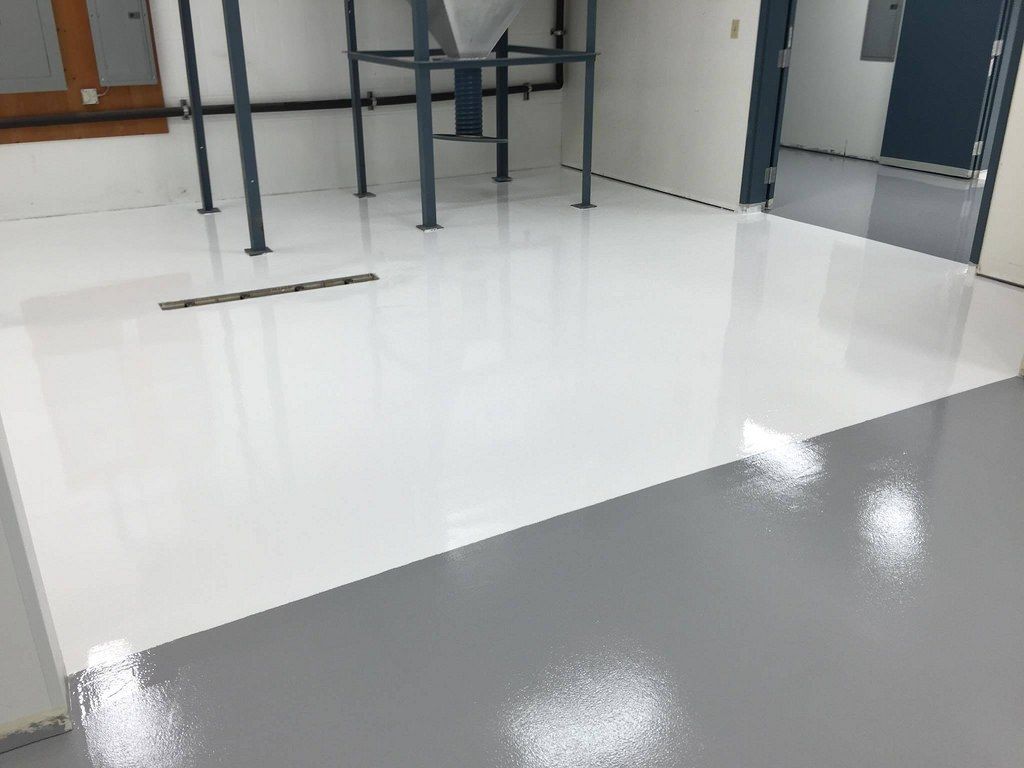
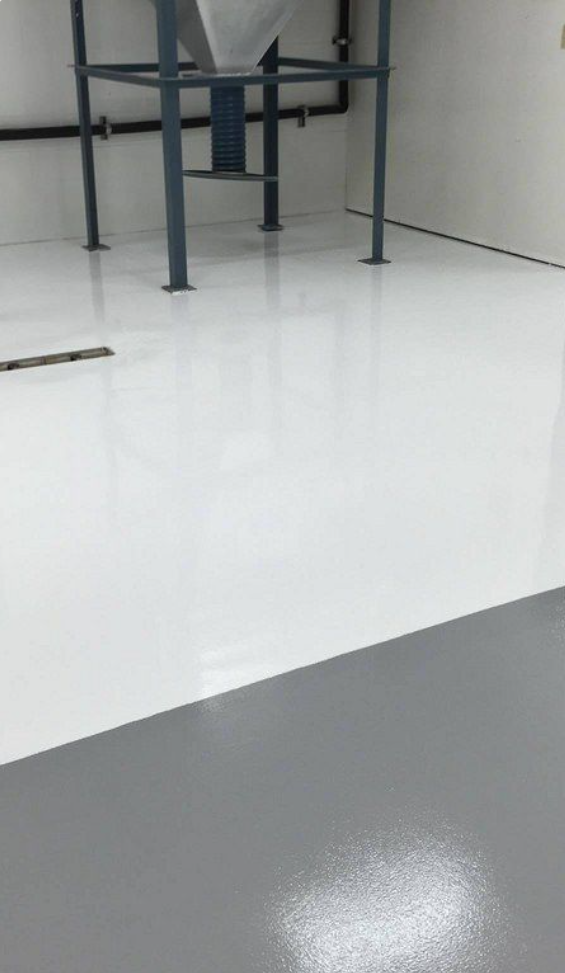
At its core, epoxy flooring is a high-performance coating system made by combining resin and hardener to create a seamless, durable surface. Once cured, it forms a hard, non-porous layer that bonds directly to concrete.
And to be clear, this is not paint. It is not a cosmetic overlay. Industrial epoxy systems are engineered for strength, chemical resistance, and long-term performance, especially in demanding environments. And in Rhode Island, where humidity, temperature changes, and older concrete slabs are common, that matters.
Where Epoxy Flooring Makes the Most Sense
Epoxy flooring shows up in a wide range of facilities because it adapts well to different demands.
Manufacturing and warehouse environments: Epoxy creates a durable surface that can handle heavy equipment, pallet traffic, and frequent cleaning without breaking down. In automotive facilities, it resists oils, solvents, and tire wear while improving overall safety and cleanliness.
Healthcare, laboratory, and food-related spaces: Industrial epoxy offers a seamless, sanitary surface, which is easy to clean and helps reduce dust and contaminants. Even commercial spaces like showrooms, schools, and utility areas often use epoxy to balance durability with a clean, professional appearance.
The common thread is simple. These are spaces where the floor needs to work as hard as the people using it.
The Real Benefits Go Beyond Durability
Durability is the obvious selling point, but it is far from the only one.
Epoxy flooring dramatically improves cleanability. Because the surface is seamless and non-porous, dirt, dust, and spills stay on the surface instead of soaking in. That means faster cleaning, fewer harsh chemicals, and a better-looking space day to day.
Safety is another major factor. Epoxy systems can be customized with slip-resistant additives, safety striping, or color zoning to improve traction and visibility in busy work areas.
There is also a visual benefit that often gets overlooked. A well-installed epoxy floor brightens a space, reflects light, and gives facilities a more organized, professional feel. It sends a clear message that the space is well-maintained and intentional.
How Long Does Epoxy Flooring Last?
When installed correctly, industrial epoxy flooring is built for the long haul. In many Rhode Island facilities, epoxy floors last 10 to 20 years or more, depending on:
- Traffic volume
- Type of equipment used
- Maintenance practices
- The specific epoxy system installed
And of course, as with anything, routine cleaning and occasional touch-ups can extend that lifespan even further.
Understanding the ROI of Epoxy Flooring
Epoxy flooring is an investment, but it is one that tends to pay for itself over time.
First, maintenance costs drop: Concrete repairs, dust control, and constant recoating become far less frequent. Cleaning takes less time and fewer resources.
Second, durability reduces downtime: Facilities are not constantly scheduling floor repairs or working around damaged surfaces.
Finally, epoxy flooring helps protect the concrete slab itself: By sealing the surface, it reduces moisture intrusion, chemical damage, and wear that can lead to expensive structural issues down the line.
When you look at total lifecycle cost rather than just upfront pricing, epoxy flooring often comes out ahead.
Why Proper Installation Matters More Than the Product
Epoxy flooring systems are only as good as the preparation beneath them.
Surface grinding, moisture testing, crack repair, and system selection all play a critical role in performance. Skipping steps or rushing the process can lead to premature failure, peeling, or bubbling.
In Rhode Island, older buildings and moisture-prone slabs make this step especially important. The right installer understands how to evaluate the concrete, choose the appropriate system, and apply it under the right conditions.
Why We Take a Different Approach at ELCO Painting
At ELCO Painting, industrial epoxy flooring is a core part of what we do, not a side offering.
We work in commercial and industrial environments where floors are expected to perform under real-world conditions. That experience shapes every epoxy flooring project we take on. We focus on proper surface preparation, correct system selection, and application methods that prioritize long-term performance.
We also understand that downtime costs money, so our team plans projects carefully, communicates clearly, and works efficiently to minimize disruption to your operations while delivering a floor that is built to last.
Our goal is not just to install epoxy flooring. It is to deliver a solution that supports how your space is actually used!
The Rhode Island Takeaway
For many Rhode Island businesses, epoxy flooring is less about making a statement and more about making life easier. It reduces ongoing maintenance, improves safety, and helps protect concrete that has already seen plenty of wear.
When it’s installed the right way, epoxy flooring becomes the kind of upgrade you barely notice anymore, because it just does its job day after day. And in a busy commercial or industrial space, that kind of reliability is often the best return you can get.