
What Sandblasting Services Are Right for My Industrial Warehouse?
Last Updated: November 7, 2021
Sandblasting for Industrial Facilities
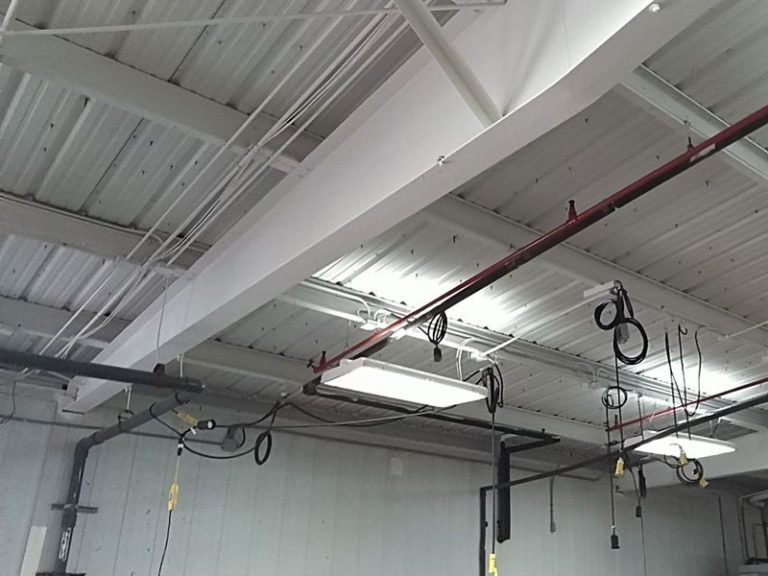
Sandblasting services can be used for more than just cleaning exterior surfaces. Blast cleaning is an efficient way to keep your industrial warehouse up to code. It can also be used on machinery and piping, as well as walls, floors, and ceilings.
Sandblasting is a catch-all term for the blast cleaning process that involves a high-pressure abrasive slurry that, despite its high pressure, is a comparatively gentle, yet powerful, option to clean stone, metal, and wood surfaces. For factories, mills, and warehouses, maintaining your industrial facilities with a professional sandblasting service will ensure your capital is kept in long-lasting condition.
Sandblasting Services
Surface Cleaning
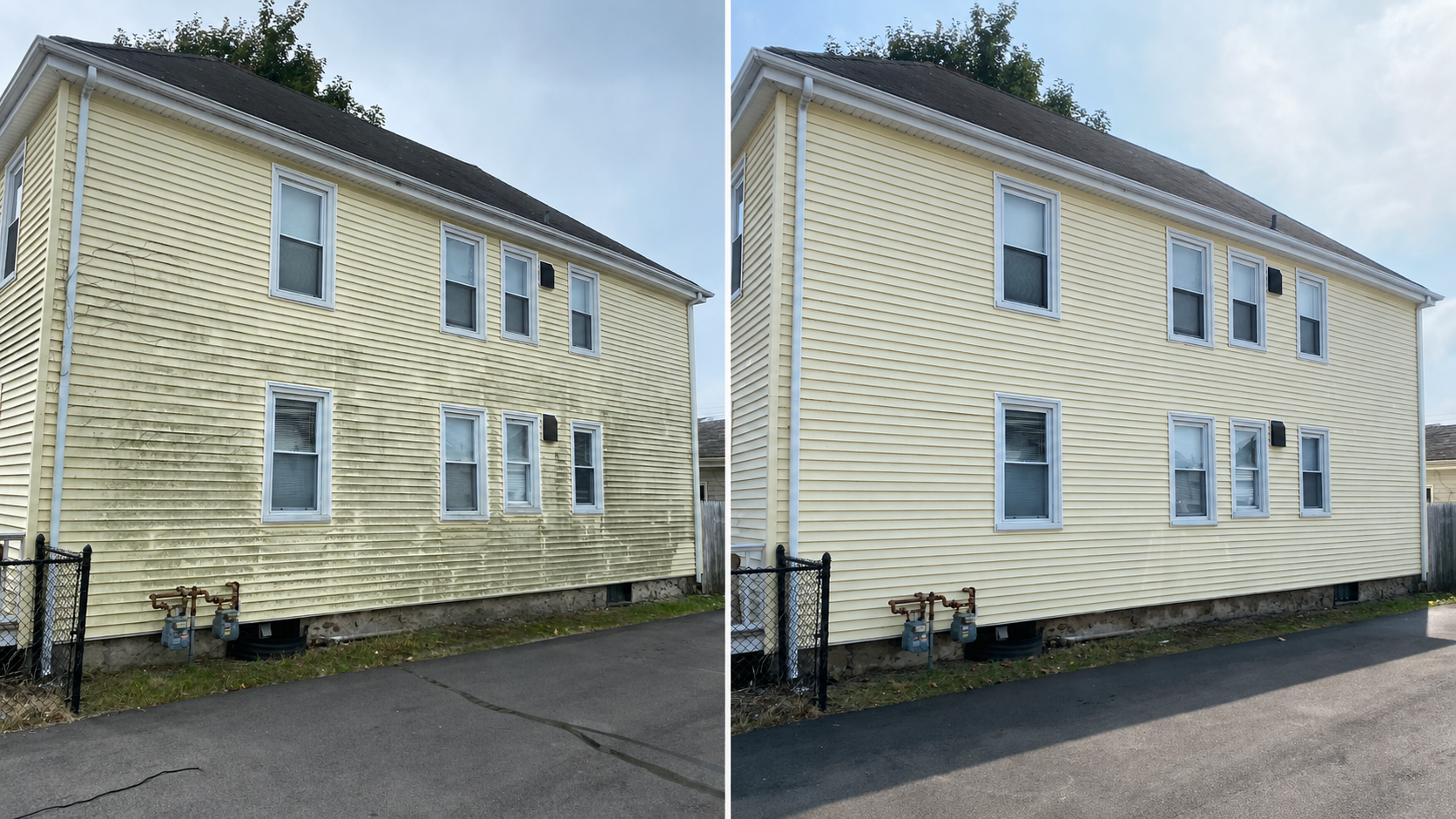
Using sand, glass, or another small abrasive material, blast cleaning can be used to clean various types of surfaces. These include:
- Stone – Masonry, concrete, and brick
- Metal – Pipes, machinery, and structural steel
- Wood – Siding, beams, and fencing
The abrasive blasting material removes dirt and prevents buildup that not only keeps your space’s hygiene standards up to code, but helps avoid corrosion that can result in damage to the building’s structure or machinery, and help you avoid having to make repairs or replacements sooner than later.
Rust and Corrosion
Sandblasting can nip rust and corrosion in the bud, lifting and removing kernels of oxidized material or other degradation to prevent the damage from spreading. Blast cleaning can reach tight and difficult spaces, like pipe fittings, around bolts, and in corners, where small degradation can turn into dangerous or costly cracks or holes. Sandblasting is also effective at removing char from fire damage to remediate and salvage valuable materials after an incident.
Removing Paint and Coating
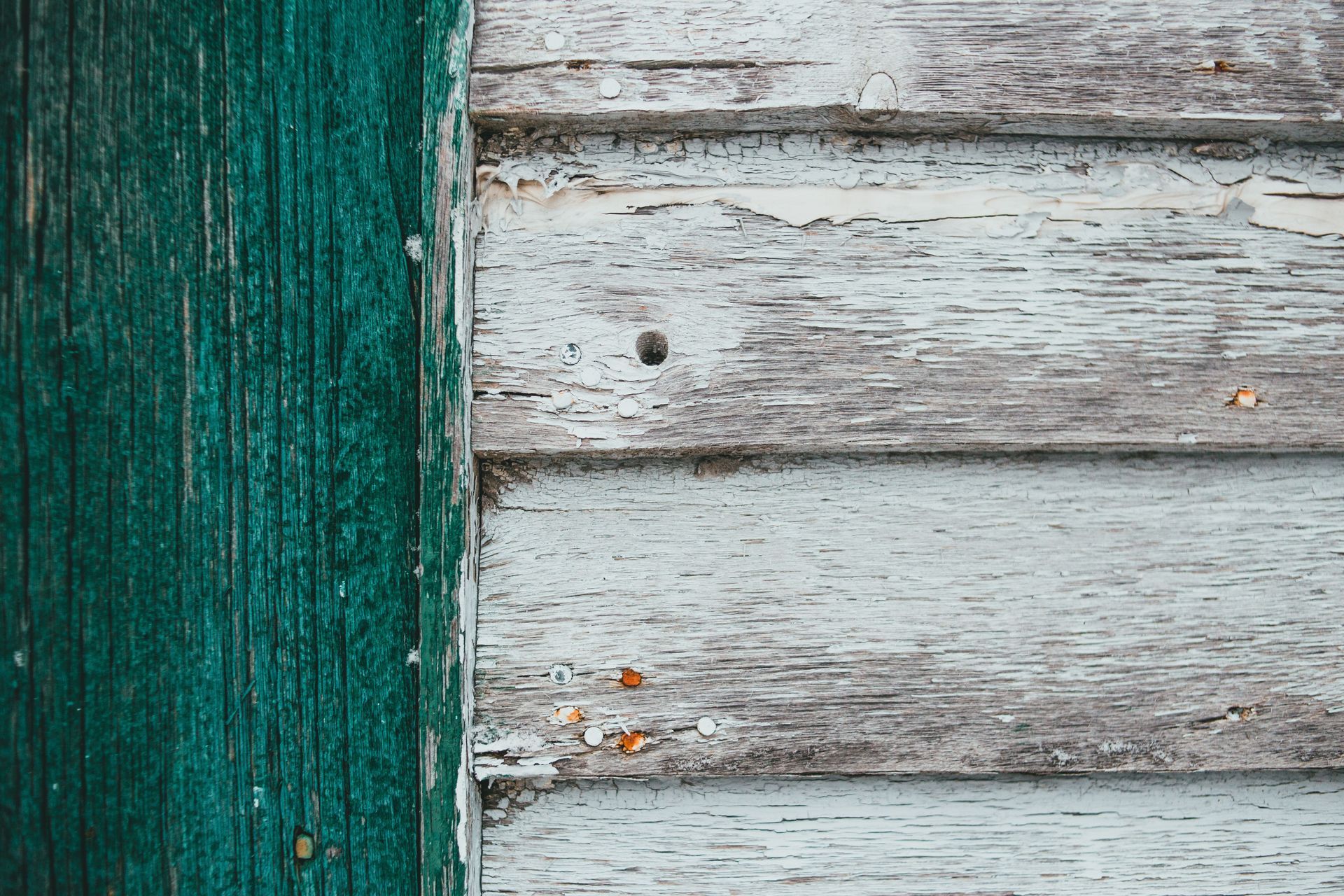
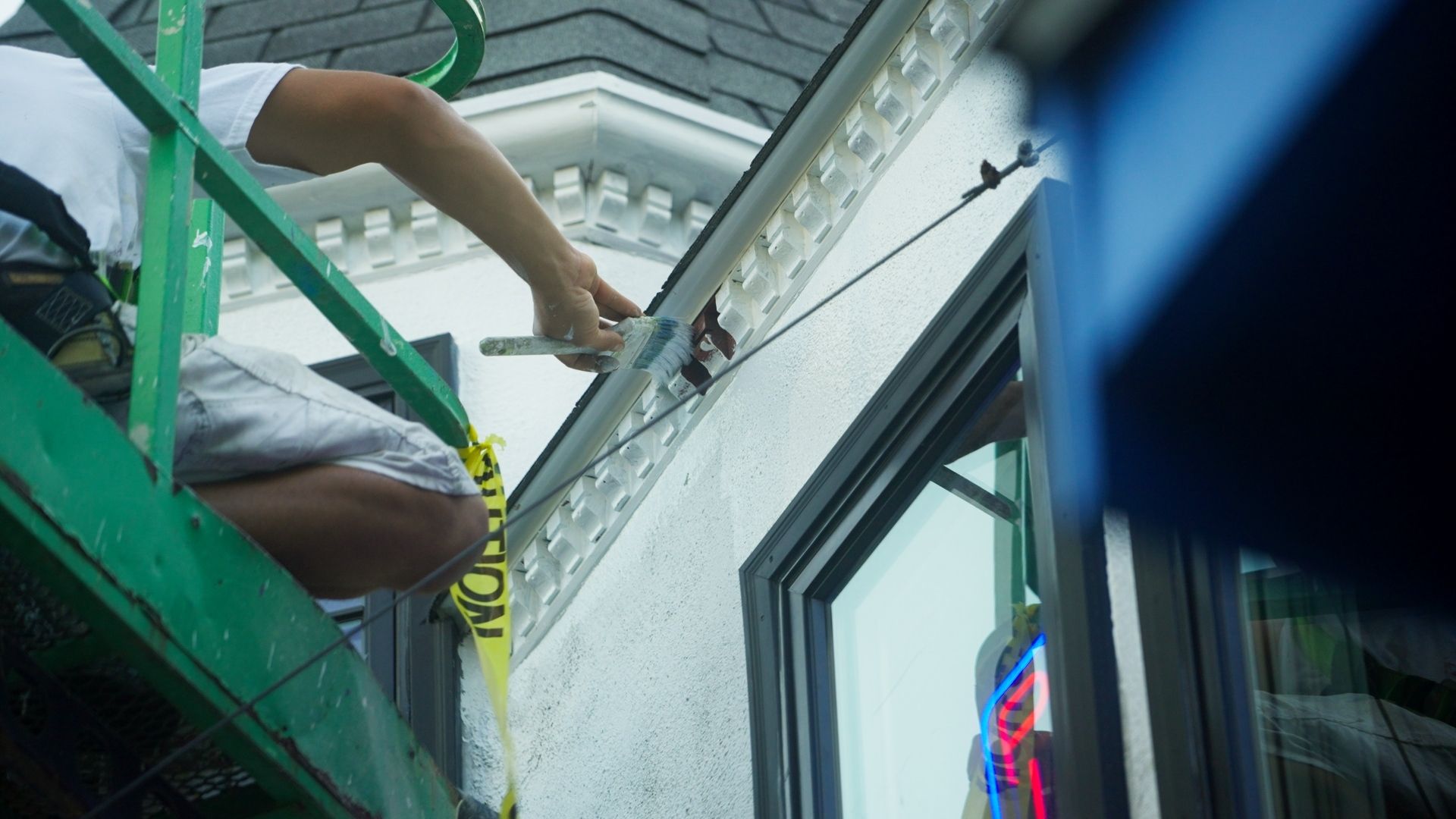
When paints start to crack and chip in a workplace, it may become a maintenance code violation. Sandblasting can remove old paint to expose the original surface material and prepare it to receive a new application of paint or other coating material. Sandblasting is a great option for surface restoration since it doesn’t use chemicals to lift and remove paints and coatings from stone, metal, and wood.
Surface Preparation
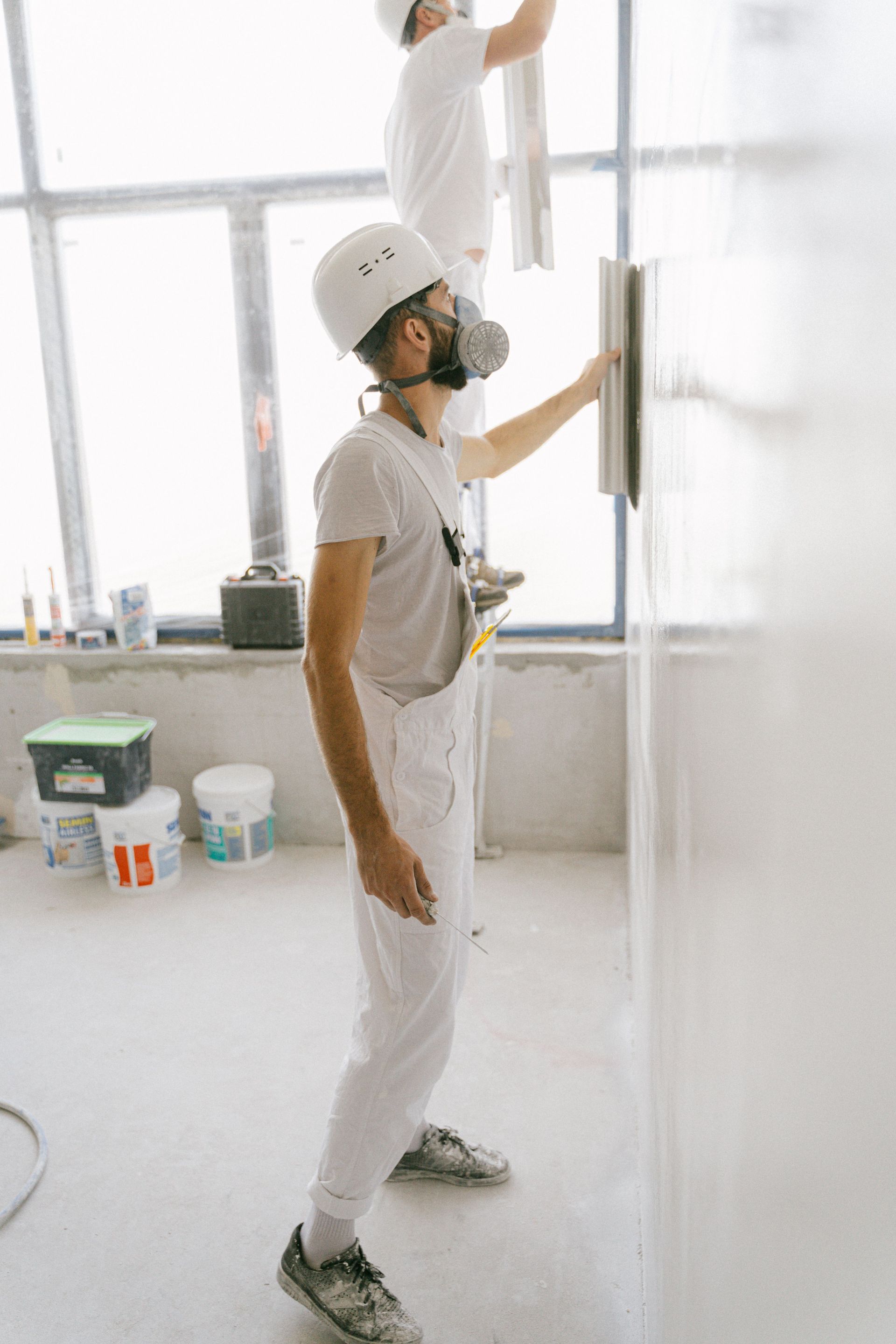
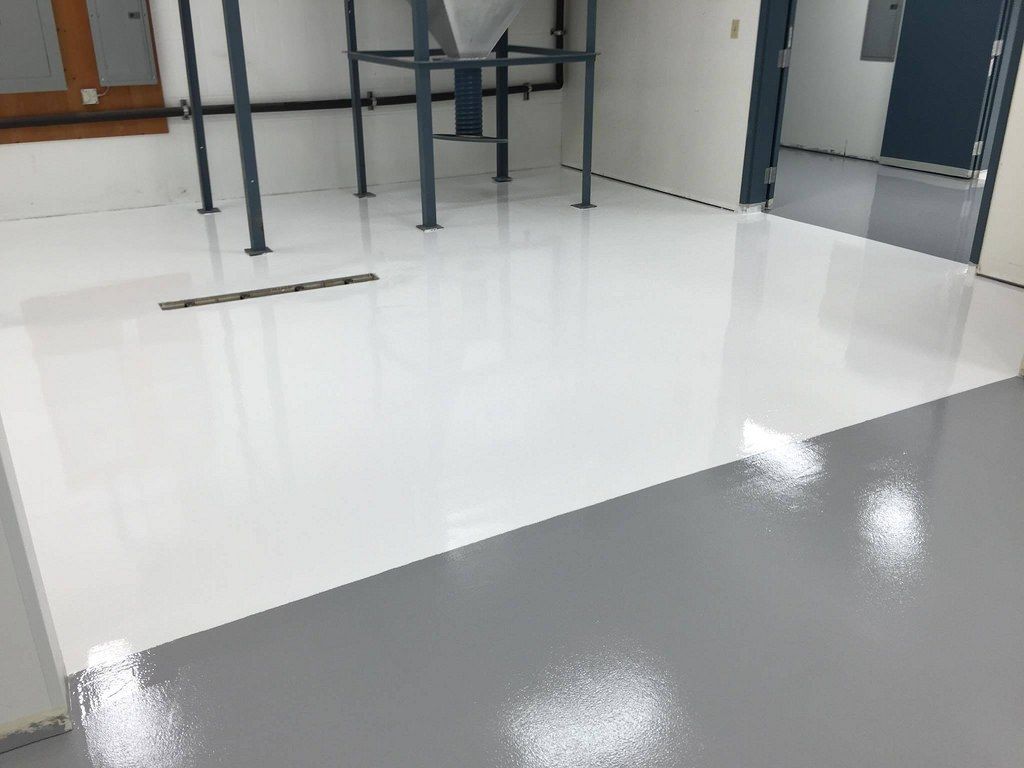
Professional services use a sandblaster before applying new paint or coating for better adherence by the primer, paint, or epoxy to the surface. The blast cleaning will remove dirt and any buildup that might be on the surface, and the abrasive material effectively polishes the surface and evens it out. A smooth surface allows an even application that is strong and long-lasting.
Dustless Blasting
Dustless sandblasting can be done for interior projects that can’t have a lot of dust kicked up. This method uses water to significantly decrease the amount of dust that’s created during a project. In general, ECLO’s services will always take into account the safety of your personnel and premises. During the initial consultation, we’ll identify the precautions that need to be taken for the best results.
Schedule Your Sandblasting Consultation
Sandblasting in Rhode Island and Massachusetts
ELCO ’s professional contractors are available to discuss the specifics of your facility sandblasting needs in Rhode Island or Massachusetts. Years of experience have developed an efficient process that can meet any number of your facility maintenance objectives. Contact us today!