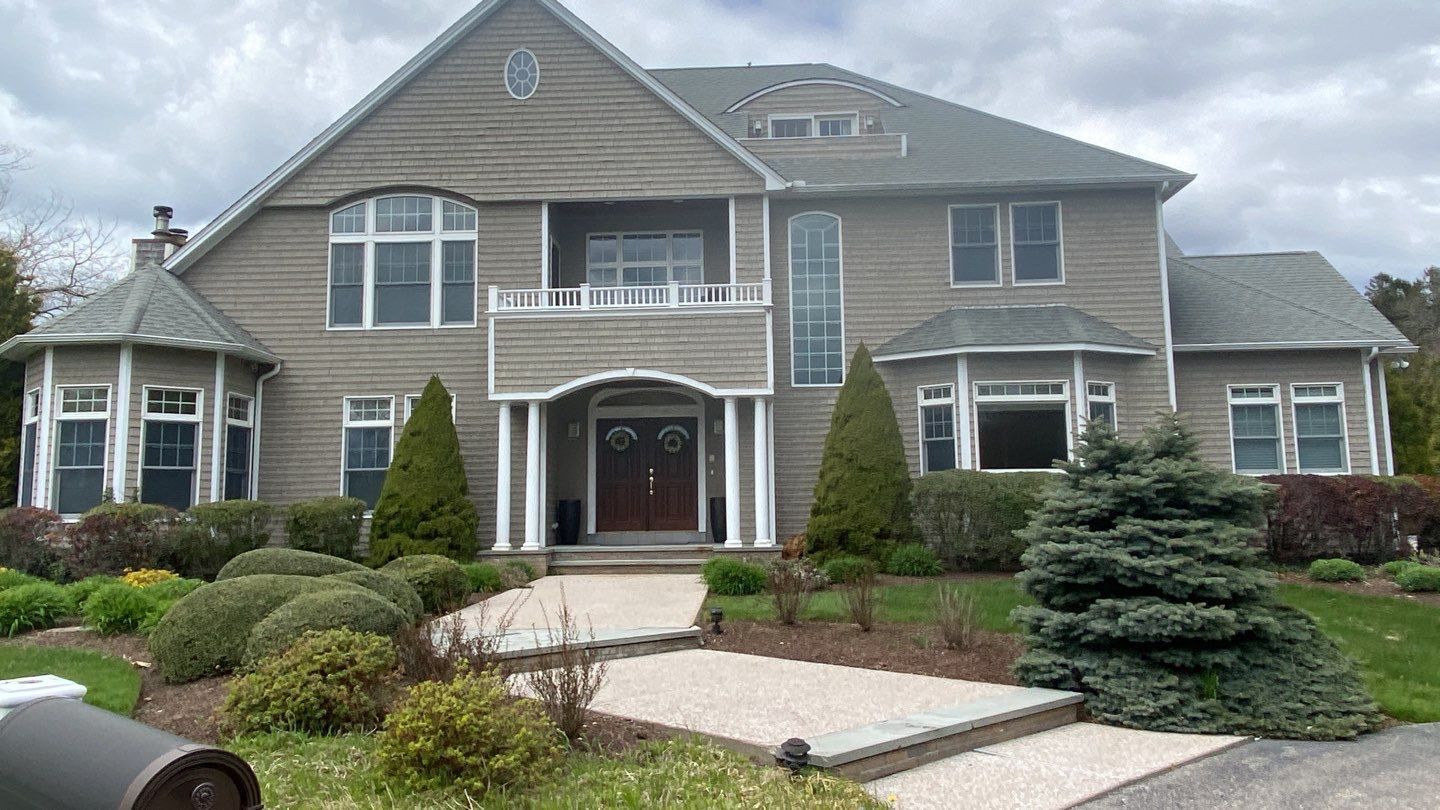

5 Signs Your Rhode Island Home Needs Exterior Painting (And What to Do About It)
Last Updated: April 16, 2026
The details of aging aren’t usually welcome reminders… except when it comes to your home. Then it's your only sign that something may need attention.
After all, Rhode Island weather isn’t exactly “friendly” to exposed surfaces—as a brisk walk on a mid-winter day will remind you. This is why it’s so important to make sure your home still has a layer of paint strong enough to stand up to it. And while you can't ask your paint how it's doing, you can tell when it needs help by a few key signs.
1. Peeling, Cracking, or Flaking Paint
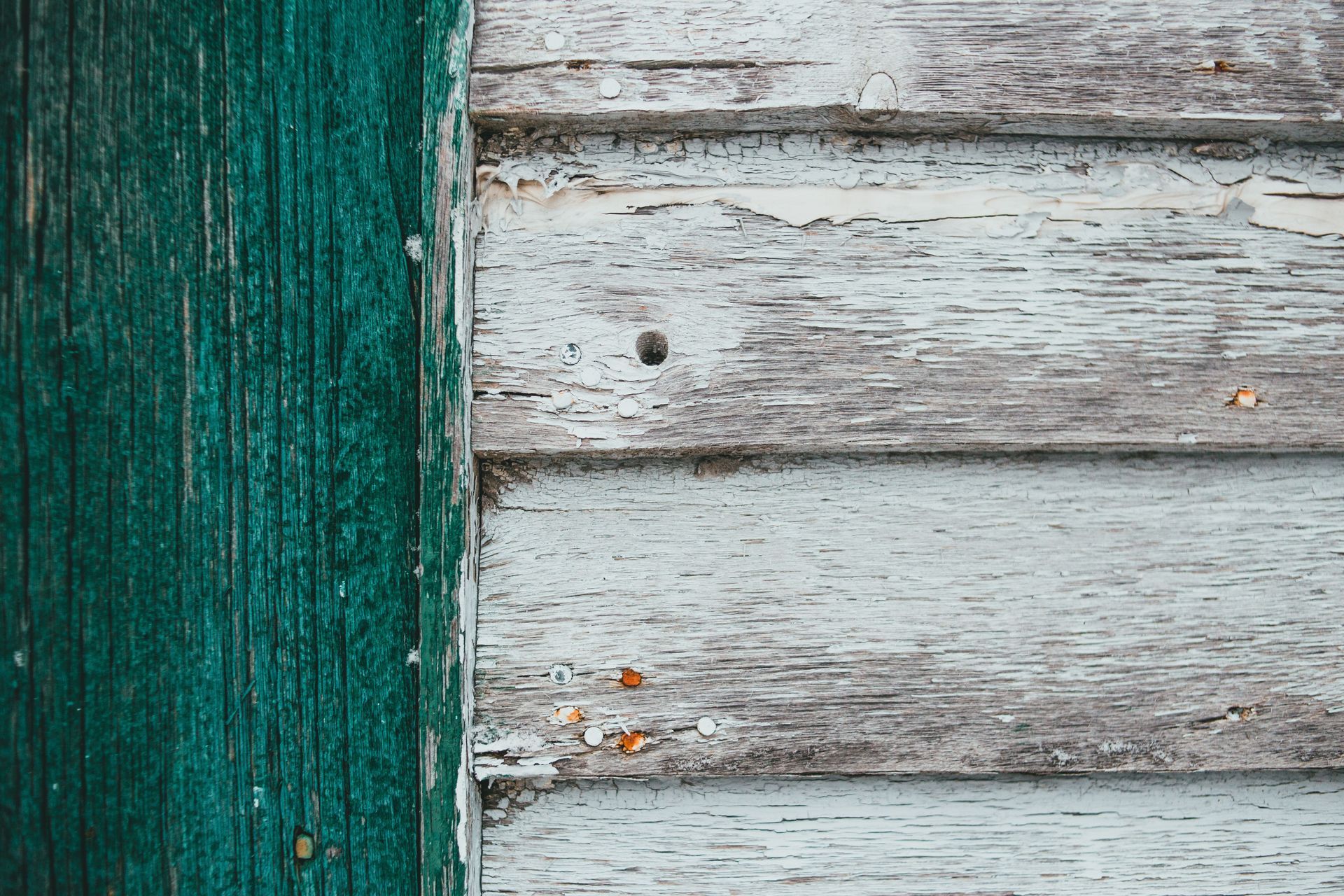
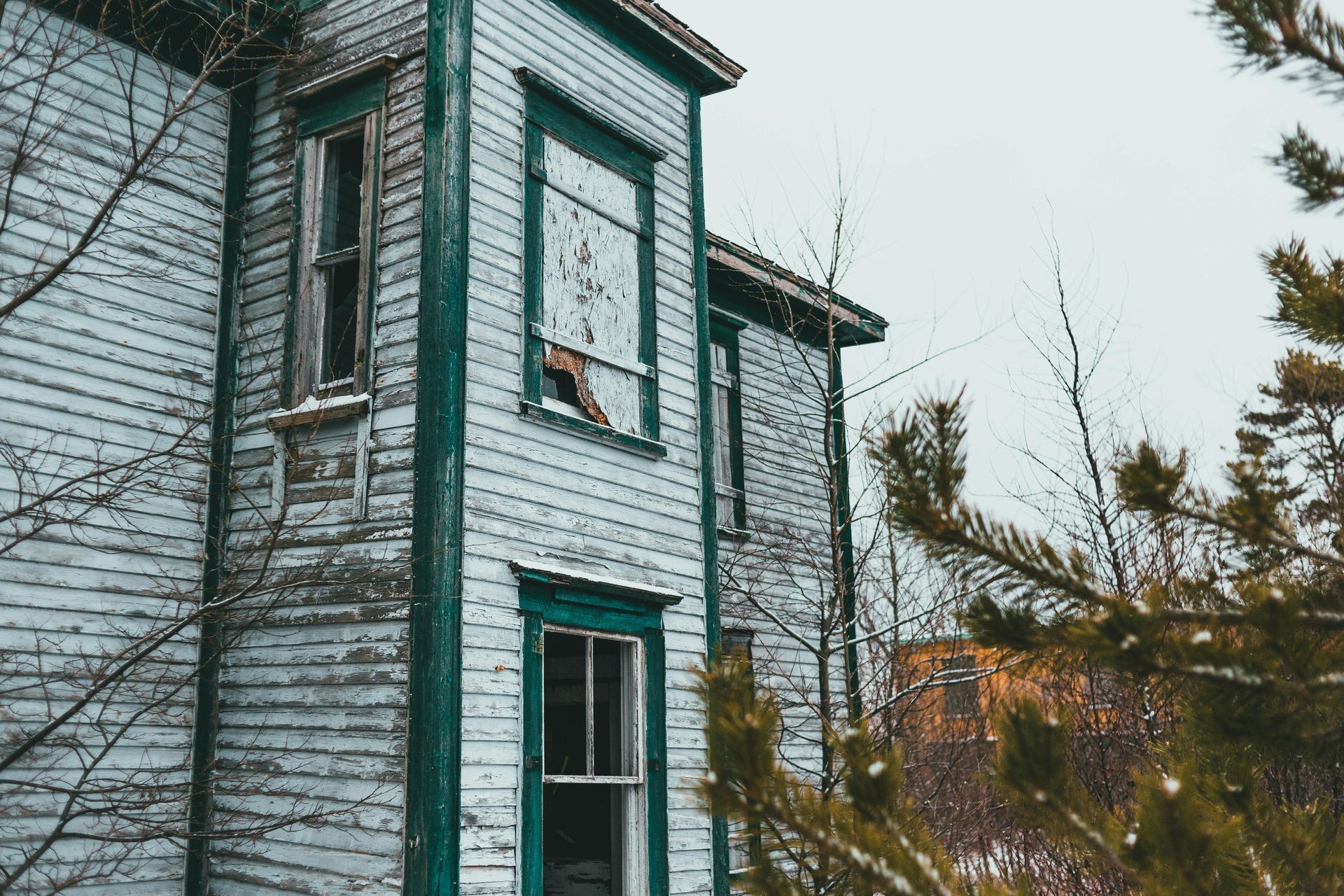
Let's start with the not-so-subtle indicators that your exterior paint is not as young as it used to be. If your paint is peeling or cracking, then the binding adhesive is starting to break down and paint degradation is now happening at an expedited rate. It may not be all the way to the surface yet, but every sandy blast of wind and every drop of rain is going to break it down more until it begins to lose its protective qualities.
Take some time to run your hand (carefully) over the surface of your home’s exterior. If you feel an unusual texture, flaking from the pressure or even subtle hairline cracks, then it means your exterior paint is failing on some level.
2. Faded or Washed-Out Color
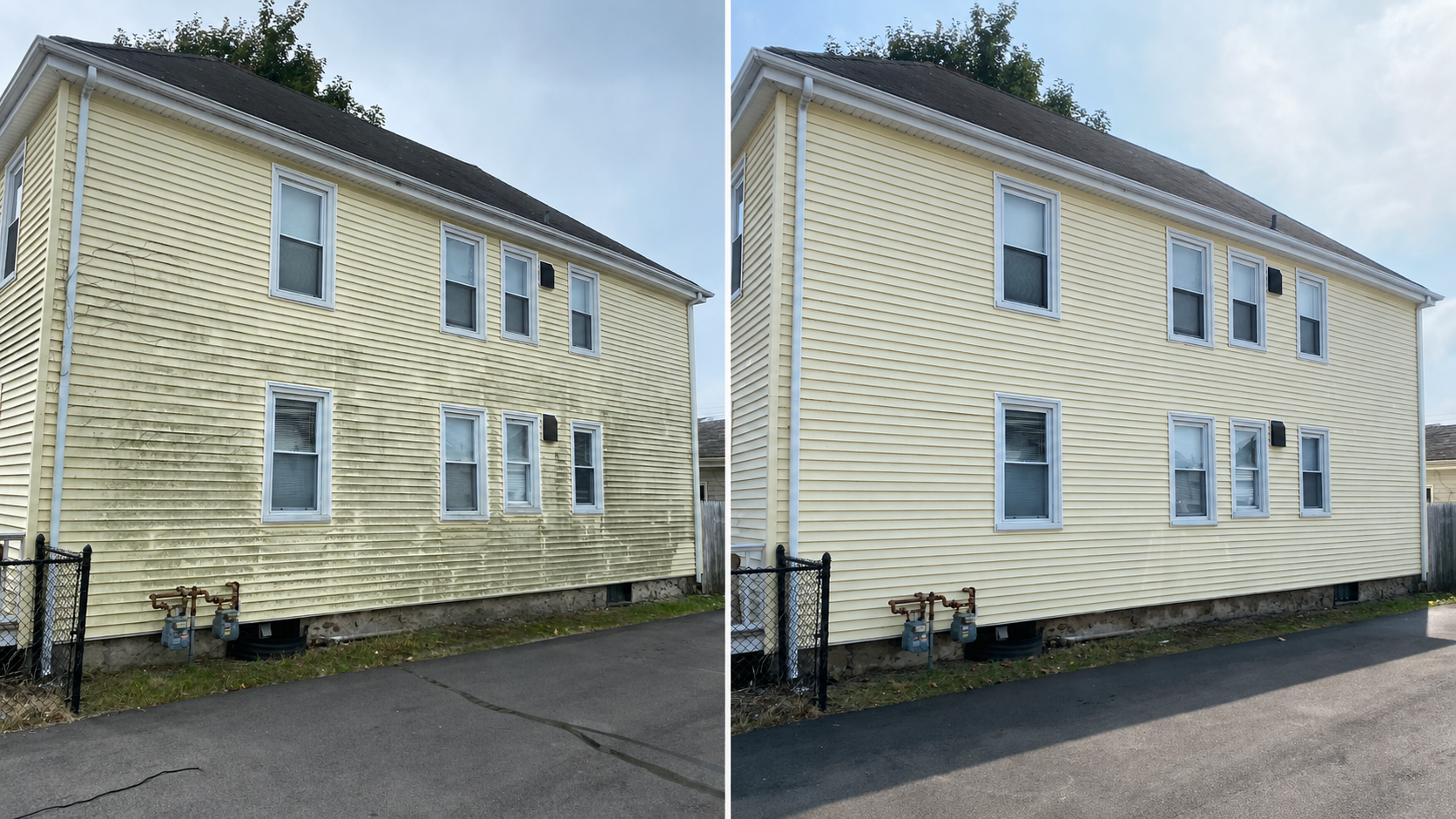
Not every sign is urgent. Sometimes your house just looks… a little tired.
Rhode Island homes, especially near the coast, take a beating from sun and salt air. Over time, even high-quality paint starts to lose its depth. You might notice one side of the house looks more faded than the other, or that the color just doesn’t have the same life it used to.
On its own, fading doesn’t always mean you need to repaint right away. But it’s often the first stage of wear. If it’s paired with dryness, cracking, or other changes in the surface, it’s worth paying closer attention.
3. Exposed Wood or Bare Spots
This is where things shift from “nice to fix” to “probably should fix.”
If you’re seeing areas where paint has worn away completely and the material underneath is exposed, your home is no longer protected in those spots. Wood, in particular, absorbs moisture quickly, and once that process starts, deterioration can follow close behind.
This is one of those signs where waiting usually doesn’t help. Addressing it sooner tends to keep the project simpler and avoids turning a paint job into a repair job.
4. Cracked or Failing Caulking
This one is easy to miss, but it tells you a lot about the condition of your exterior.
Look around your windows, doors, and trim. The caulking that seals those joints should be flexible and intact. If it’s dried out, cracking, or pulling away, it creates small openings for water and air to get in.
Sometimes this can be handled on its own. But if you’re noticing it in multiple areas, it’s often part of a bigger pattern—your home’s exterior system aging as a whole. At that point, repainting (done properly, with prep) usually makes more sense than chasing individual fixes.
5. It’s Been Longer Than You Think
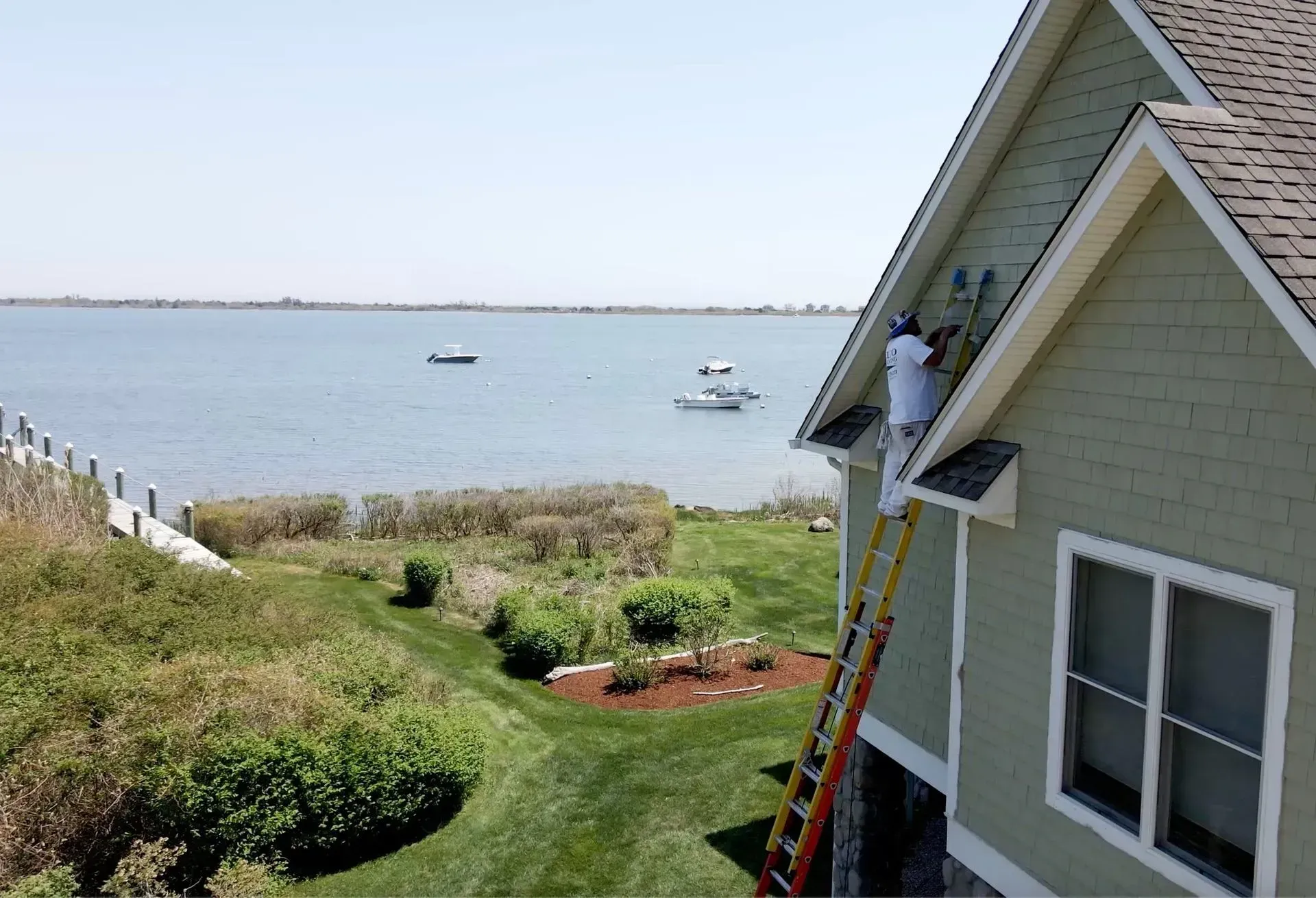
Sometimes the biggest clue isn’t what you see—it’s what you can’t quite remember. If you’re not sure when your home was last painted, or you know it’s been close to a decade, it’s worth taking a closer look. Most homes fall somewhere in that 5-10 year range, depending on materials and exposure.
Rhode Island weather tends to shorten that window a bit. Between cold winters, humid summers, and coastal conditions, your home goes through more than it might in other parts of the country.
Even if everything looks okay at a glance, this is a good time for an honest check-in.
A Quick Walk Around Can Tell You a Lot
One more thing. You don’t need a checklist or a deep inspection. Just take a slow walk around your house. Look a little closer than you did in January. Notice what stands out.
You might find everything is holding up just fine for another year or two. Or you might catch something early enough to stay ahead of it. Either way, that’s really the goal this time of year—just understanding where things stand, and making a decision from there.
So… Do You Actually Need to Paint This Year?
Maybe not! There are plenty of homes with paint that is still doing its job, and if you’ve still got a smooth, vibrant finish, you most likely do not need a new one this season. Are there still reasons to repaint? Of course, and we have plenty of other articles that help in case you have one. But if your exterior paint is showing signs of age… well, here’s the straightforward way to think about it:
If it’s mostly visual—fading, slight wear, things that don’t affect the surface itself—you likely have some flexibility. Your house might be ready soon, but not urgently.
If you’re seeing peeling paint, exposed areas, or failing caulking across multiple spots, that’s usually your sign it’s time to act before bigger issues develop.
Spring just makes these things easier to notice. It doesn’t automatically mean you’re behind—it just means you finally have a clear view of how your home held up.
Elco Painting
Ready to get your home’s exterior back?
Elco Painting has been helping Rhode Island homeowners protect and refresh their homes for decades, with a focus on doing things the right way from the start. That means honest assessments, proper prep, and results that are built to last—not just look good for a season. If you’re starting to notice the signs we talked about, we’re here to help you figure out the next step, whether that’s painting now or planning ahead for the right time.