
Spring Property Walkthrough: A Facility Manager’s Guide to Assessing Winter Damage
Last Updated: April 30, 2026
As a facility manager, you already know that at some point in the year, you need to walk the property, take notes, and look at things a little closer than usual. And now is usually the time that happens.
Spring doesn’t create problems—but it does reveal them.
Wondering what to look for? In short, you’re looking for what changed. What held up. And what might need attention before it turns into something bigger. But more can be said.
Start Where Winter Hit Hardest
Not all parts of a building age at the same pace. A spring walkthrough isn’t just about looking for issues—it’s about knowing where to look first. After a Rhode Island winter, certain areas almost always tell the story before the rest of the property does, like south-facing walls, wind-beaten elevations, and areas that take on consistent moisture. These tend to show wear first. If winter played favorites, it would be in those places.
Look for Inconsistency: As you walk the property, pay attention to how uniform everything feels. If one side looks noticeably more worn than the others, that’s not random—it’s exposure doing its job.
Early Signs vs. Real Issues: Sometimes what you’re seeing is purely visual. Other times, it’s the beginning of something that needs attention sooner rather than later. The key is recognizing which is which before it progresses.
Peeling, Cracking, or Flaking Paint
This is the one that moves to the top of the list quickly.
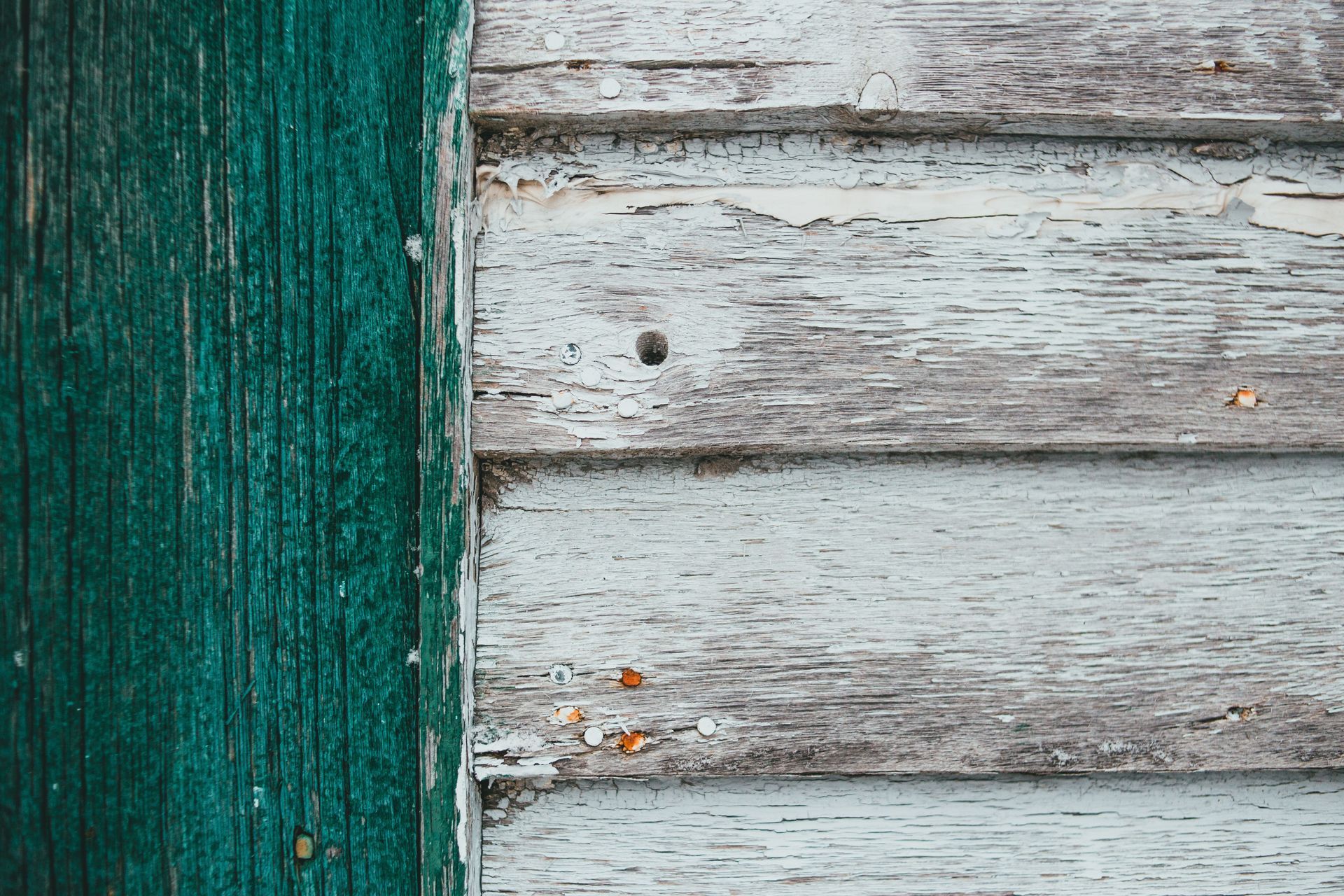
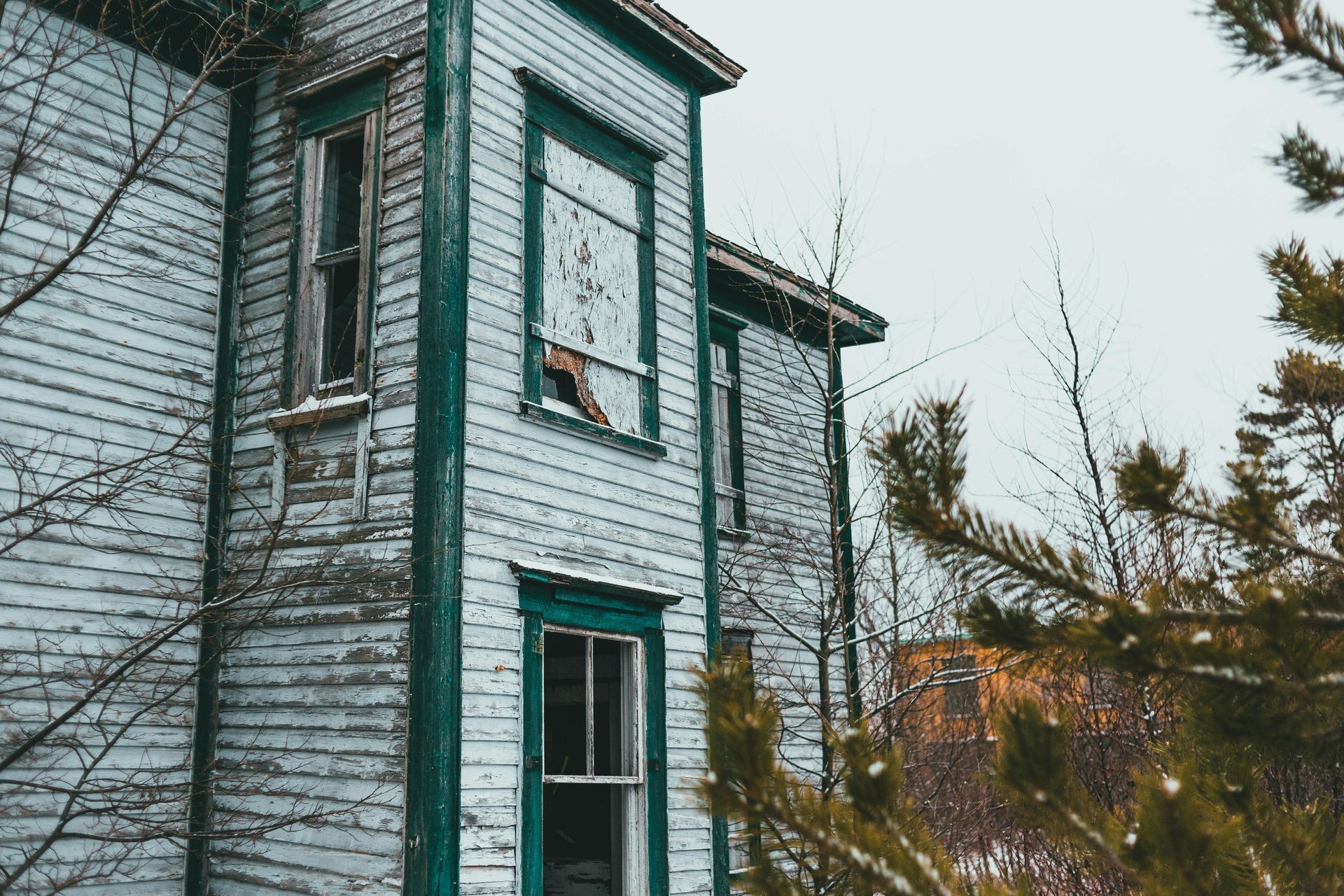
When paint starts peeling or cracking, it’s no longer doing its primary job—protecting the surface underneath. What you’re seeing isn’t just age. It’s a breakdown in adhesion, usually accelerated by moisture and temperature swings. If it’s isolated to a small area, it may be something you can monitor or address locally. But if it’s happening across multiple sections of the building, that’s when it becomes less of a touch-up conversation and more of a system-wide one.
At that point, the question isn’t “Does it look good?” It’s “Is it still protecting the structure?”
Fading vs. Failing
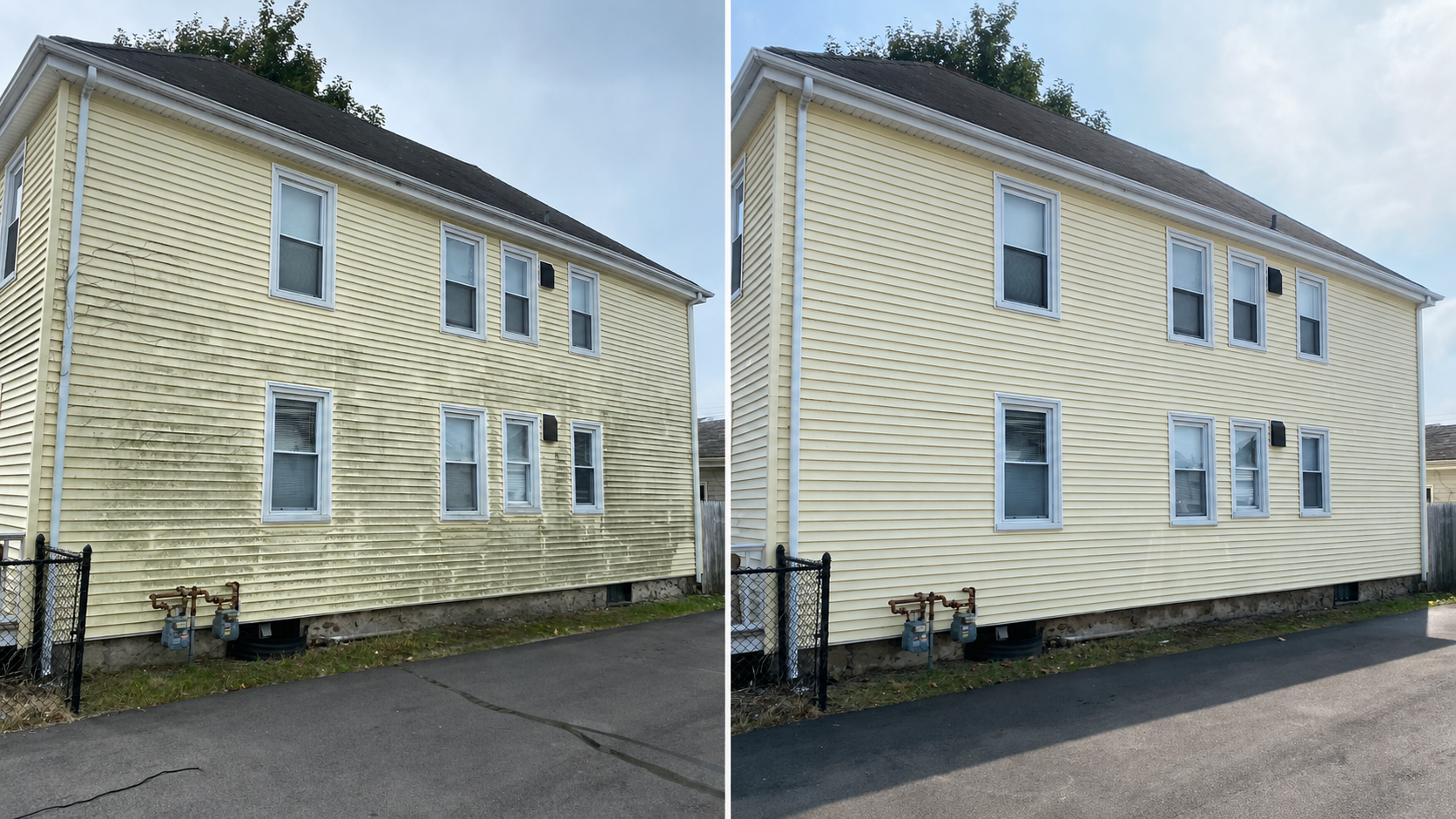
Like we said, not every issue needs immediate action. Sometimes what you’re seeing is simply fading—color that’s lost its depth after years of sun exposure. But if the surface still feels solid, and there’s no cracking, no peeling, and no exposed material, it's just a building showing its seniority.
Fading can also be the early stage of failure, though. If it’s paired with dryness, brittleness, or subtle cracking, it’s worth paying closer attention. That’s often where problems start before they become more obvious.
Check the Details: Trim, Caulking, and Seams
This is where a lot of early signs show up. Around windows, doors, joints, and transitions between materials, the caulking and sealants take on a lot of stress. Over time, they dry out, crack, or pull away from the surface. It’s easy to overlook—but these are the areas where water gets in first. If you’re seeing minor separation in a few spots, it may be a simple maintenance item. But if it’s happening throughout the property, it’s usually part of a larger pattern. The building isn’t just aging in one place—it’s aging everywhere (and we all know how that feels, right?)
Exposed Surfaces and High-Risk Areas
As paint wears away, the concern shifts from how things look to how well they’re protected. This is where a walkthrough becomes less about observation and more about prioritization.
Bare Wood: When paint has worn away enough to expose raw wood, the timeline changes. What was once protected is now absorbing moisture, expanding and contracting with temperature swings, and beginning the early stages of deterioration.
Exposed Materials: Whether it’s siding, composite surfaces, or other substrates, once the protective coating is gone, those materials are directly exposed to the elements. Over time, that exposure accelerates wear and shortens the lifespan of the surface.
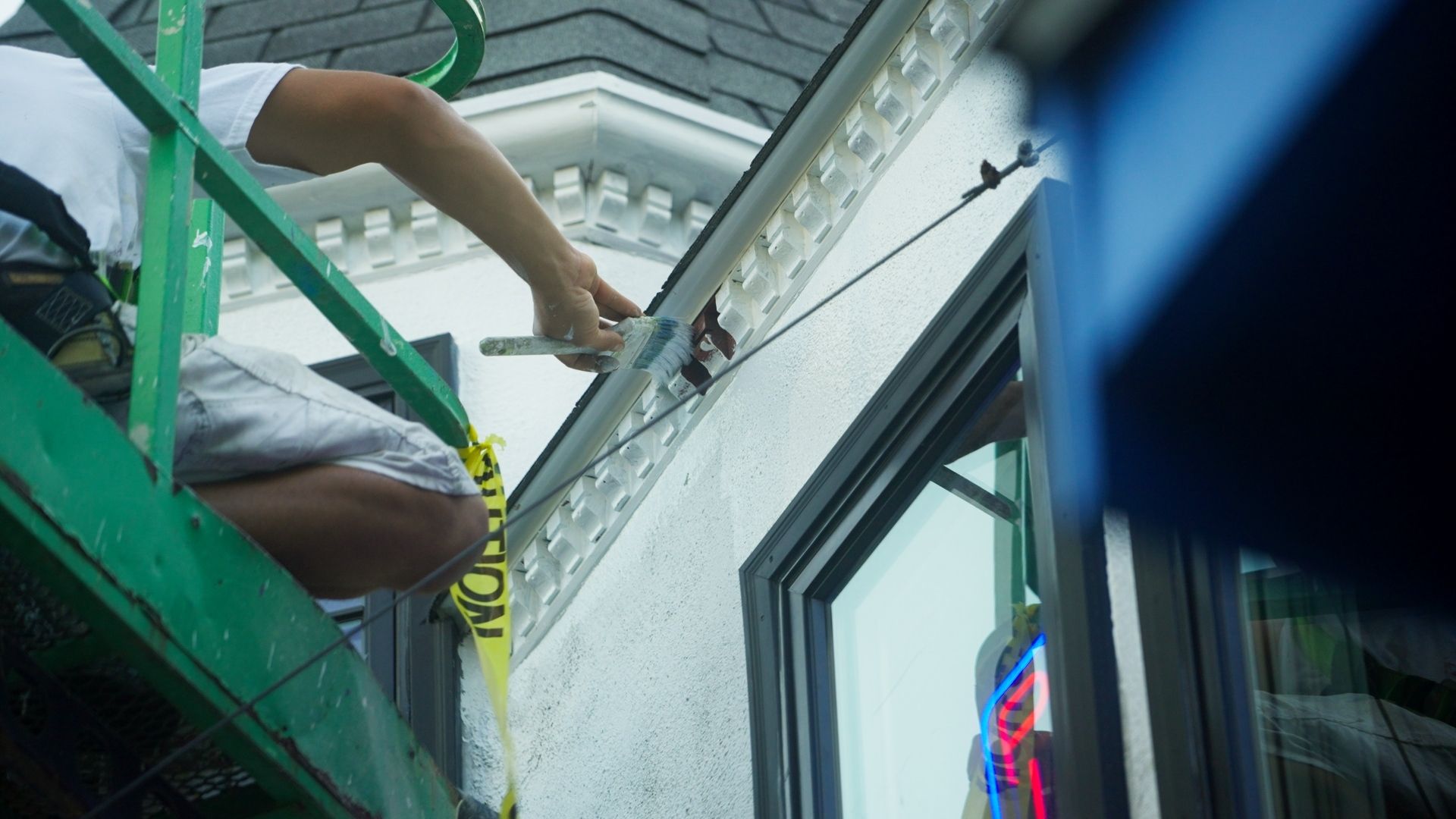
Unprotected Trim: Trim tends to take on more detailed exposure—edges, seams, and transitions where water can settle. When paint fails in these areas, it creates easy entry points for moisture, which can lead to more involved repairs if left alone.
So What’s Urgent… and What Can Wait?
This is really what the walkthrough comes down to. Not everything you see needs to be addressed right away. But part of the job is knowing the difference. If the issue is mostly visual—fading, minor wear, a surface that’s still intact—you likely have some flexibility. It can be scheduled, planned, and approached on your timeline. If the issue affects protection—peeling paint, failing caulking across multiple areas, exposed materials—that’s usually your signal to act sooner rather than later.
Because once the protective layer is compromised, time doesn’t usually improve the situation.
ELCO Painting
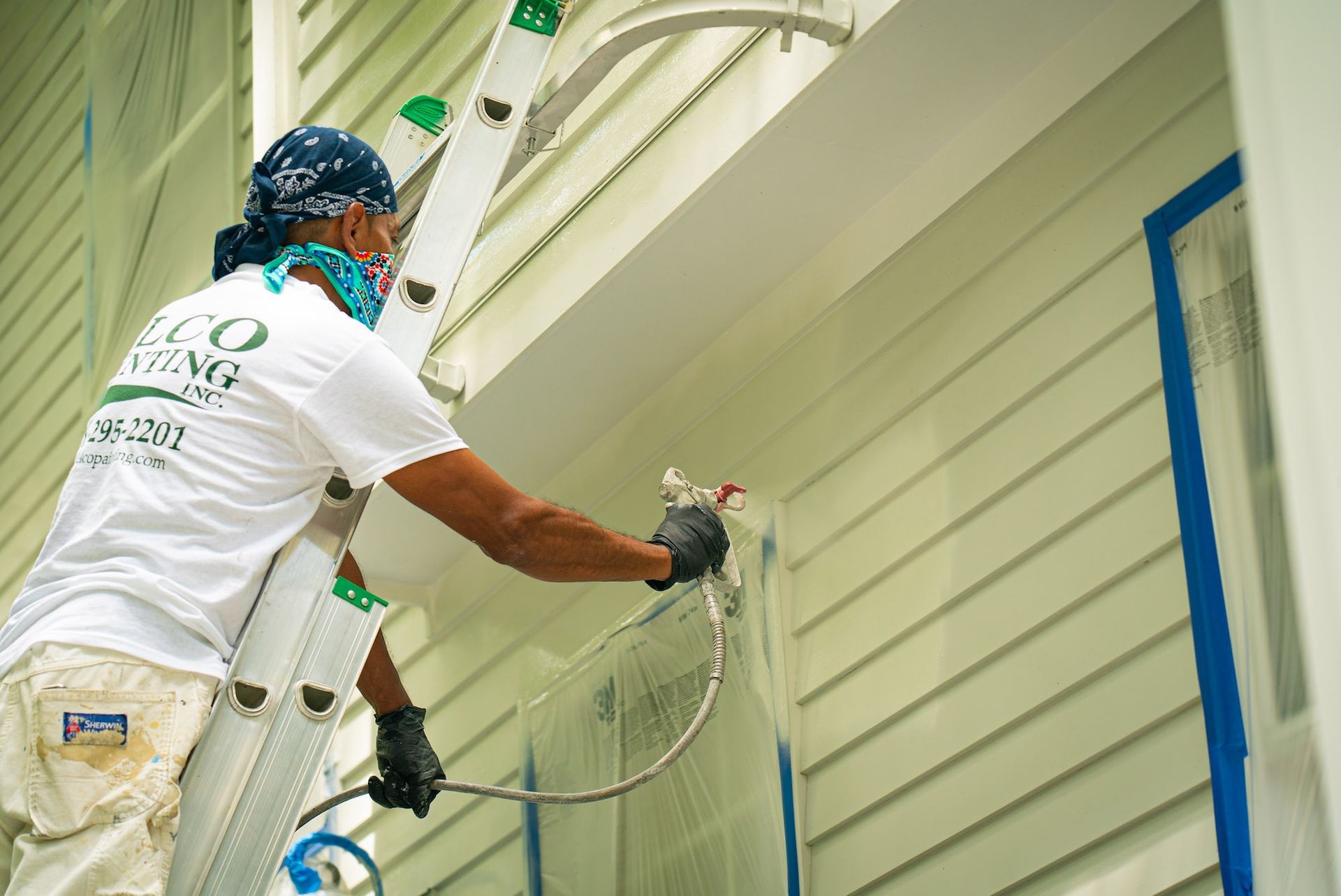
Ready to get ahead of what you’re seeing? ELCO Painting has been working with facility managers across Rhode Island for decades, helping assess, plan, and execute exterior work with a focus on long-term performance. If your walkthrough raised a few questions, we’re here to help you sort through what needs attention now—and what can be scheduled for later. Give us a call!