
Property Managers: Your Complete Q2 Commercial Painting Checklist for Rhode Island Properties
Last Updated: March 30, 2026
If you manage commercial properties in Rhode Island, you know Q2 is when everything starts moving fast. Winter damage finally reveals itself, tenants start noticing cosmetic issues, and suddenly everyone wants improvements done before summer traffic ramps up.
Exterior paint, common areas, and high-traffic spaces often land near the top of that list. And while painting might not feel urgent compared to a roof leak or HVAC problem, it plays a major role in maintaining both the appearance and protection of your property. So before summer fully arrives, here’s a practical Q2 painting checklist to help Rhode Island property managers stay ahead of the curve.
Walk the Property Like a First-Time Visitor
Property managers see their buildings every day, which makes it surprisingly easy to overlook gradual changes. That’s why it helps to occasionally walk the property as if you’re seeing it for the first time. Start at the entrance and look at signage, trim, railings, doors, and common areas. Ask yourself a simple question: What would a tenant, client, or visitor notice first?
Often the first signs of wear appear in places people interact with most—entry doors, stair rails, lobby walls, and high-touch surfaces. Scuffed paint, faded finishes, and chipped trim may seem minor individually, but together they can make a property feel older than it actually is. A quick walkthrough can reveal where small updates could make a noticeable difference.
Look for Winter’s “Parting Gifts”
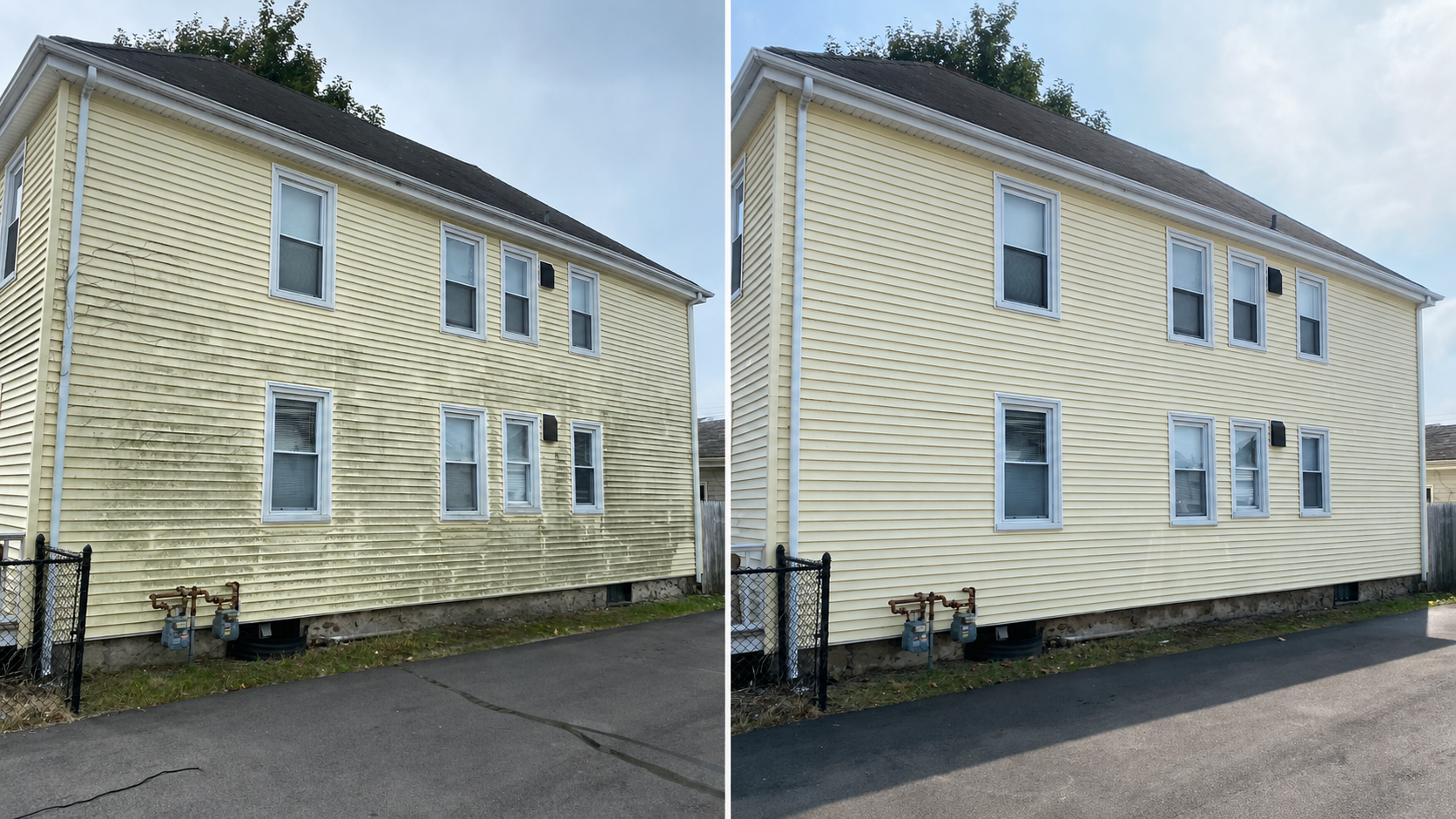
Rhode Island winters rarely leave buildings untouched. Snow, wind, moisture, and freeze-thaw cycles can quietly take a toll on exterior surfaces over a few months. A quick inspection can help identify areas where winter weather may have weakened paint and where attention might be needed first.
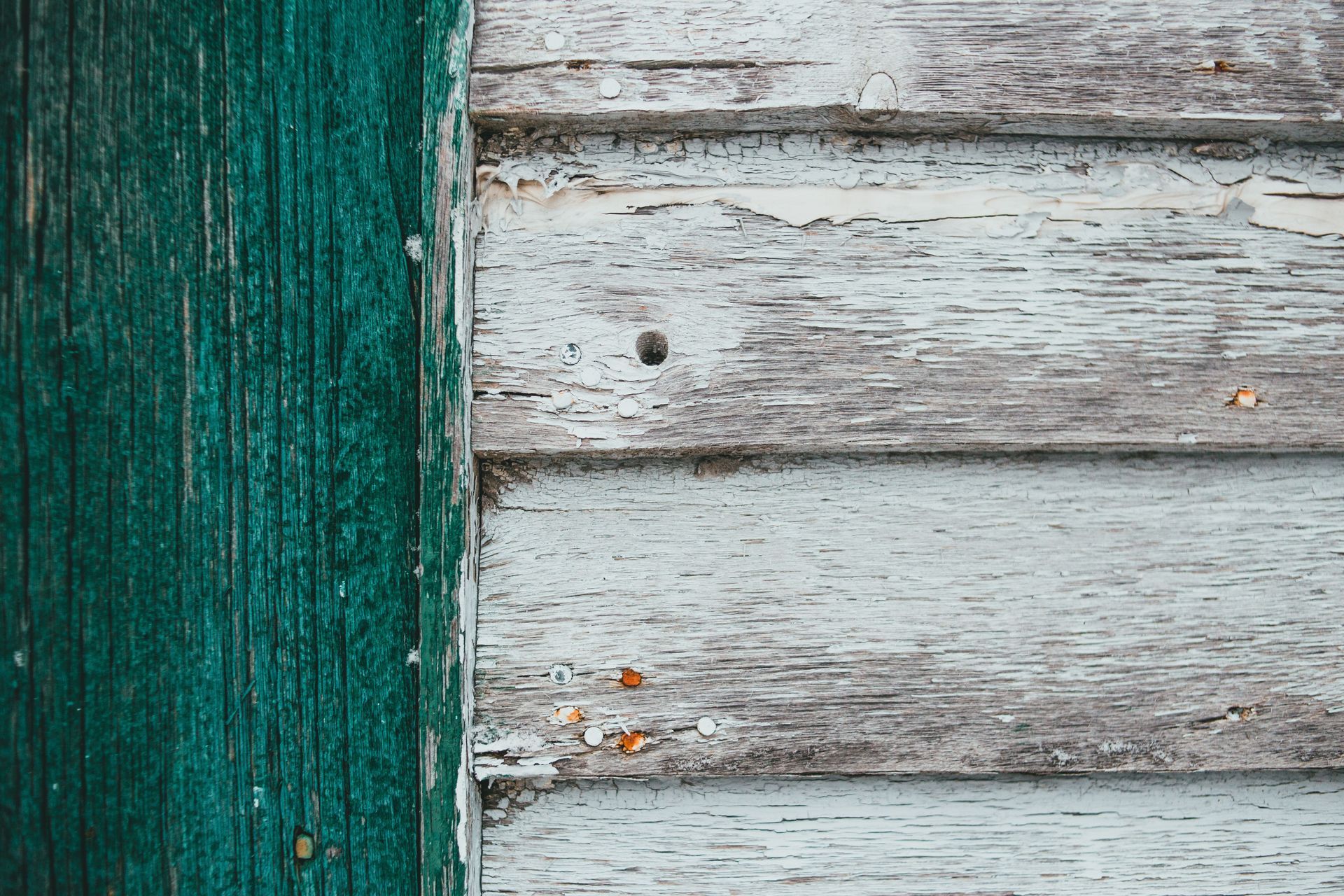
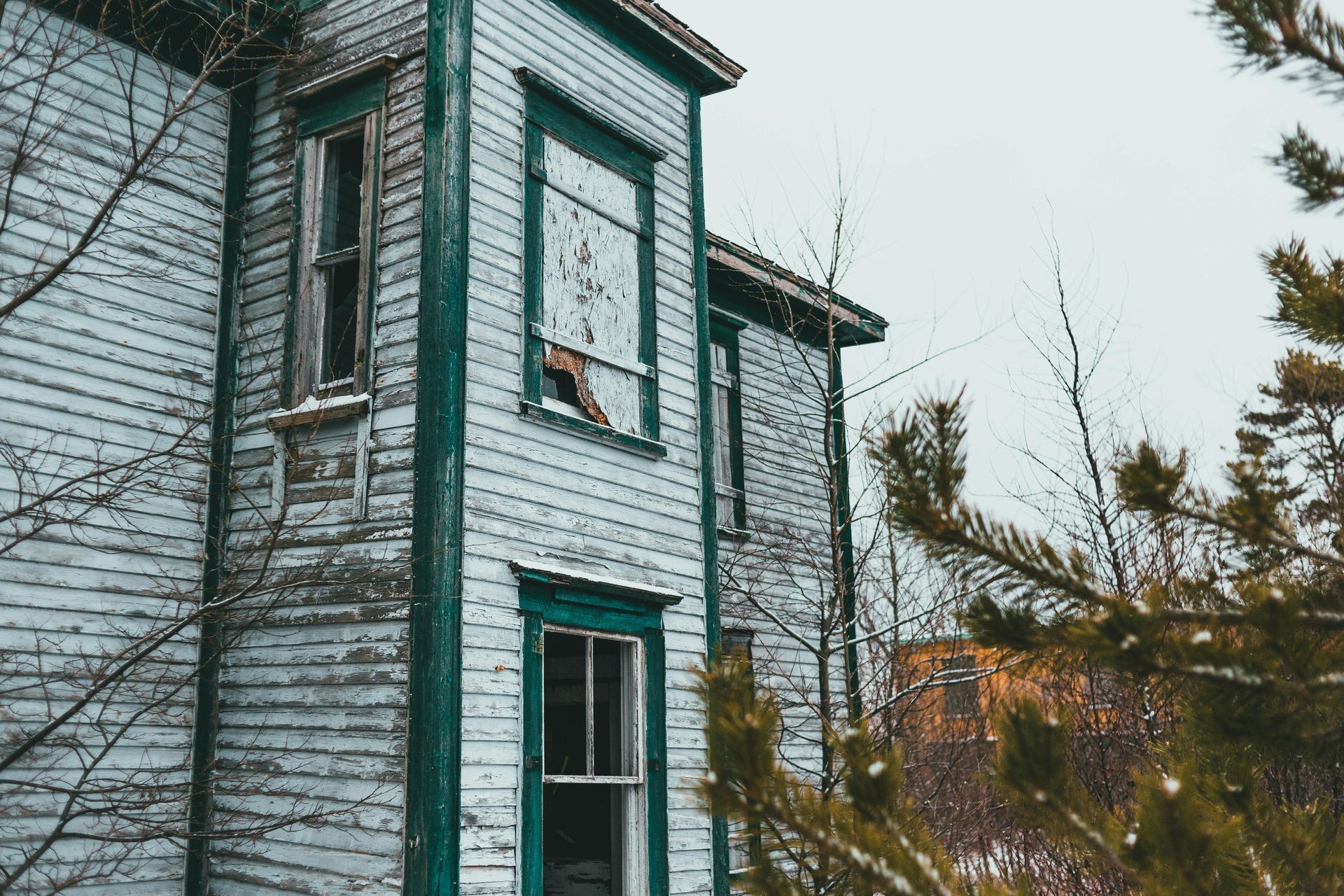
Peeling or Flaking Paint:
When paint begins to peel or flake, it often means the coating has started to lose its ability to shield the materials underneath. Catching these areas early allows repairs and repainting before larger sections begin to fail.
Cracked Caulking Around Windows and Trim:
Caulking helps seal the small gaps around windows, doors, and trim that keep moisture from entering the building envelope. Over time, winter temperature swings can cause caulking to crack or separate.
Rust on Railings and Metal Surfaces:
Exterior metal railings, doors, and structural elements often show the first signs of winter wear too. Small rust spots may appear where protective coatings have worn thin. Addressing these areas quickly helps prevent corrosion from spreading and keeps metal components looking clean and maintained.
Inspect High-Traffic Interior Areas
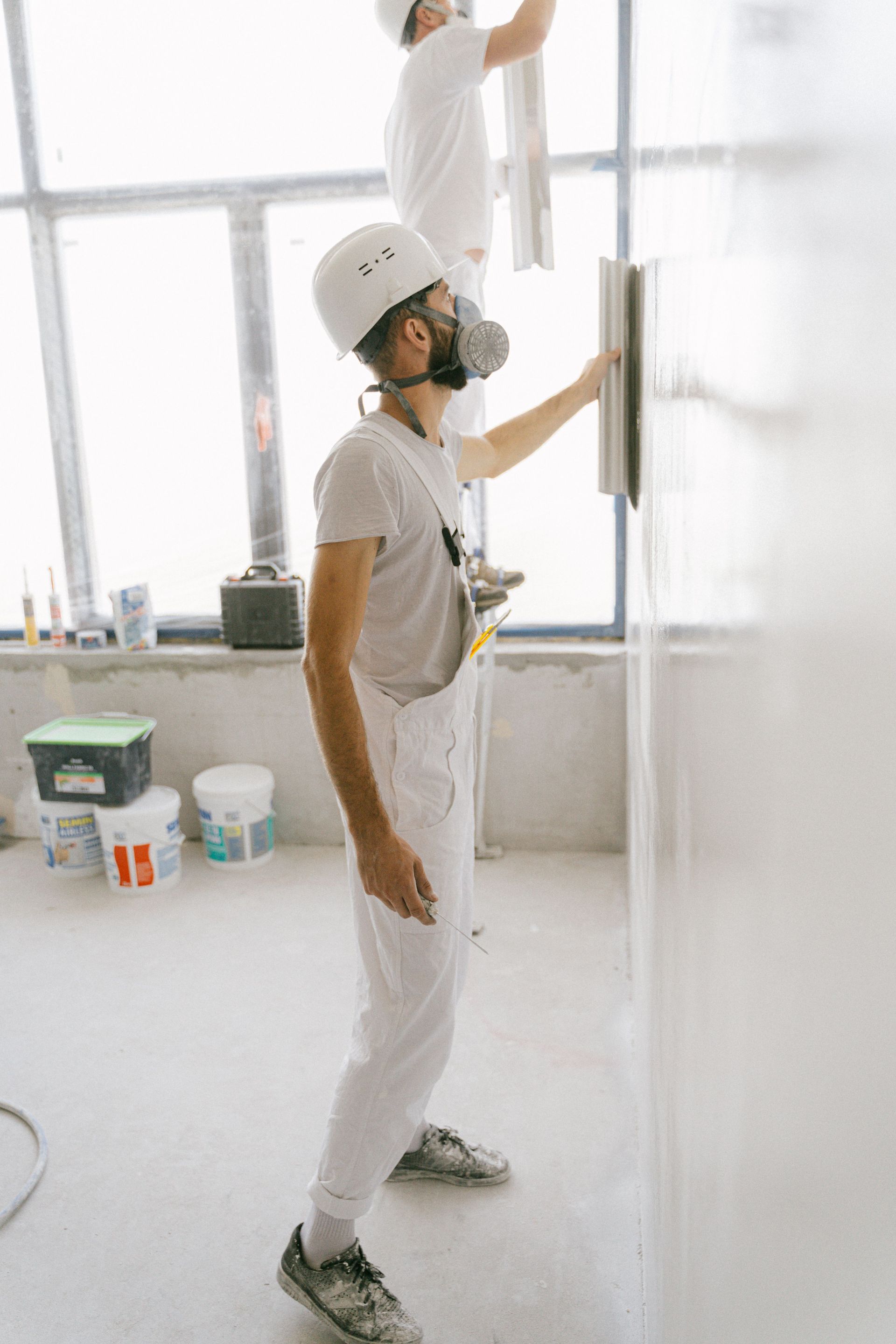
Commercial properties rarely experience “light use.” Hallways, stairwells, and shared spaces see constant traffic from tenants, employees, deliveries, and visitors. Over time, even well-maintained buildings can start to show wear in these areas. Q2 is a great opportunity to assess whether a refresh could improve the overall appearance of the property.
Hallways and Corridors:
Walls in corridors tend to collect scuffs, dents, and marks from carts, equipment, and everyday foot traffic. While these marks might seem minor individually, they can gradually make a building feel worn.
Stairwells and Railings:
Stairwells are often overlooked during routine maintenance, yet they see constant use.
Entryways and Lobbies:
Entry areas set the tone for the entire property. Tenants, clients, and visitors form their first impressions within seconds of walking through the door. Clean, well-maintained paint in these spaces helps reinforce the feeling of a professionally managed building.
Evaluate Safety and Visibility
Painting isn’t just about appearance—it also plays a role in safety and organization. Q2 is a great time to evaluate areas where paint contributes to visibility and navigation throughout the property.
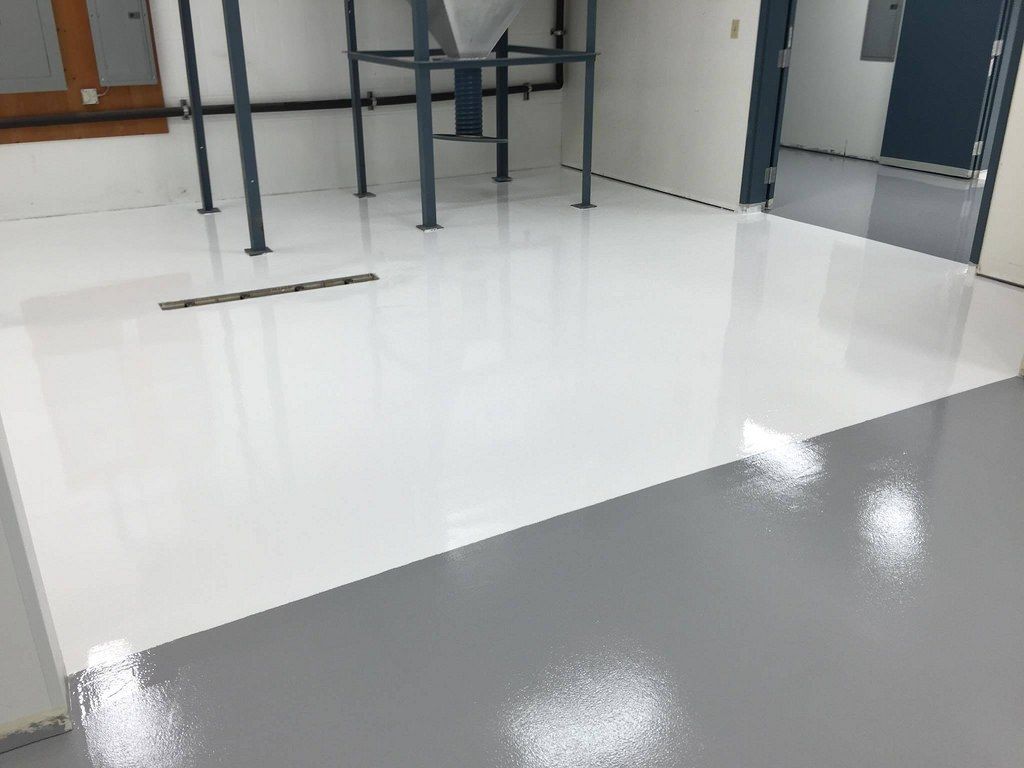
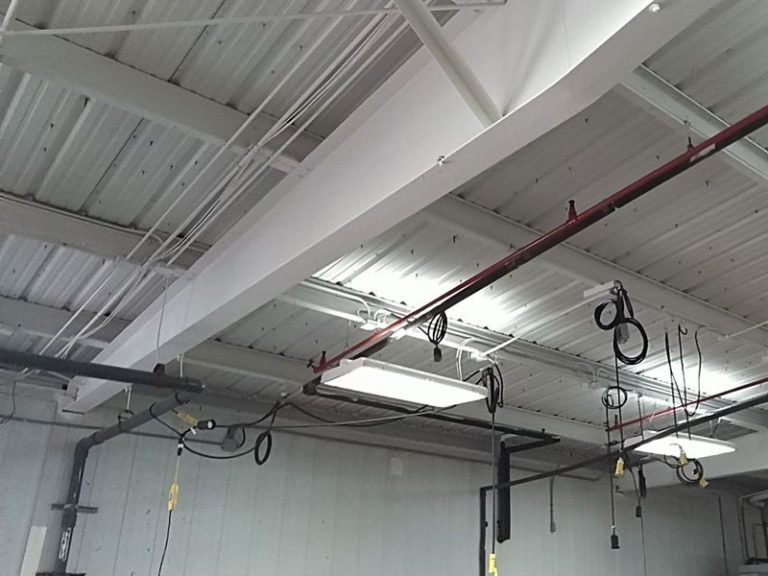
Parking lot striping, for example, can fade and make parking areas confusing or inefficient. Safety markings around loading zones, curb edges, and pedestrian walkways should remain clear and easy to see. Mechanical rooms and utility spaces may also rely on painted labels, color coding, or hazard markings to help teams quickly identify equipment and safety zones. Keeping these areas clearly marked helps support both safety and day-to-day operations.
Plan Larger Projects Before the Summer Rush
Just like residential painting, commercial painting schedules tend to fill quickly once warmer weather arrives. Q2 is often the ideal window to plan larger exterior projects before peak demand hits.
Exterior repainting, trim repairs, and other larger maintenance work are usually easier to schedule when planning begins earlier in the season. Waiting until mid-summer can sometimes limit availability or compress project timelines. For property managers coordinating tenant schedules, building access, and seasonal maintenance, planning ahead can make the entire process significantly easier.
What's the Takeaway?
Managing commercial properties means constantly balancing maintenance priorities. While painting may not always feel urgent, it plays an important role in protecting surfaces, maintaining appearance, and keeping buildings looking professional for tenants and visitors alike.
Q2 offers a valuable opportunity to evaluate winter damage, refresh high-traffic areas, and plan larger maintenance projects before summer activity ramps up. A simple walkthrough and checklist can often reveal opportunities to address small issues now, before they become bigger ones later.
A Note from ELCO Painting
At ELCO Painting, we work with property managers throughout Rhode Island who are balancing busy buildings, tight schedules, and long maintenance lists. Our goal is to make painting projects straightforward, organized, and easy to coordinate with your property’s needs.
If you’re reviewing your Q2 maintenance plans and have painting projects on the horizon, our team is always happy to walk the property with you and help you plan the next steps.