
Why It Pays to Book Your Spring and Summer Painting Projects Now
Last Updated: March 15, 2026
Every year it happens the same way. The weather warms up, the flowers start blooming, and homeowners begin noticing things around the house that suddenly need attention. But that also means painting companies’ phones start ringing, slots get filled, and options become limited.
So how do you avoid the mid-summer backup? Plan early.
And booking ahead isn’t just about grabbing a spot on the schedule. It can actually make the entire process easier—and a lot less stressful.
Painting Season Sneaks Up on Everyone
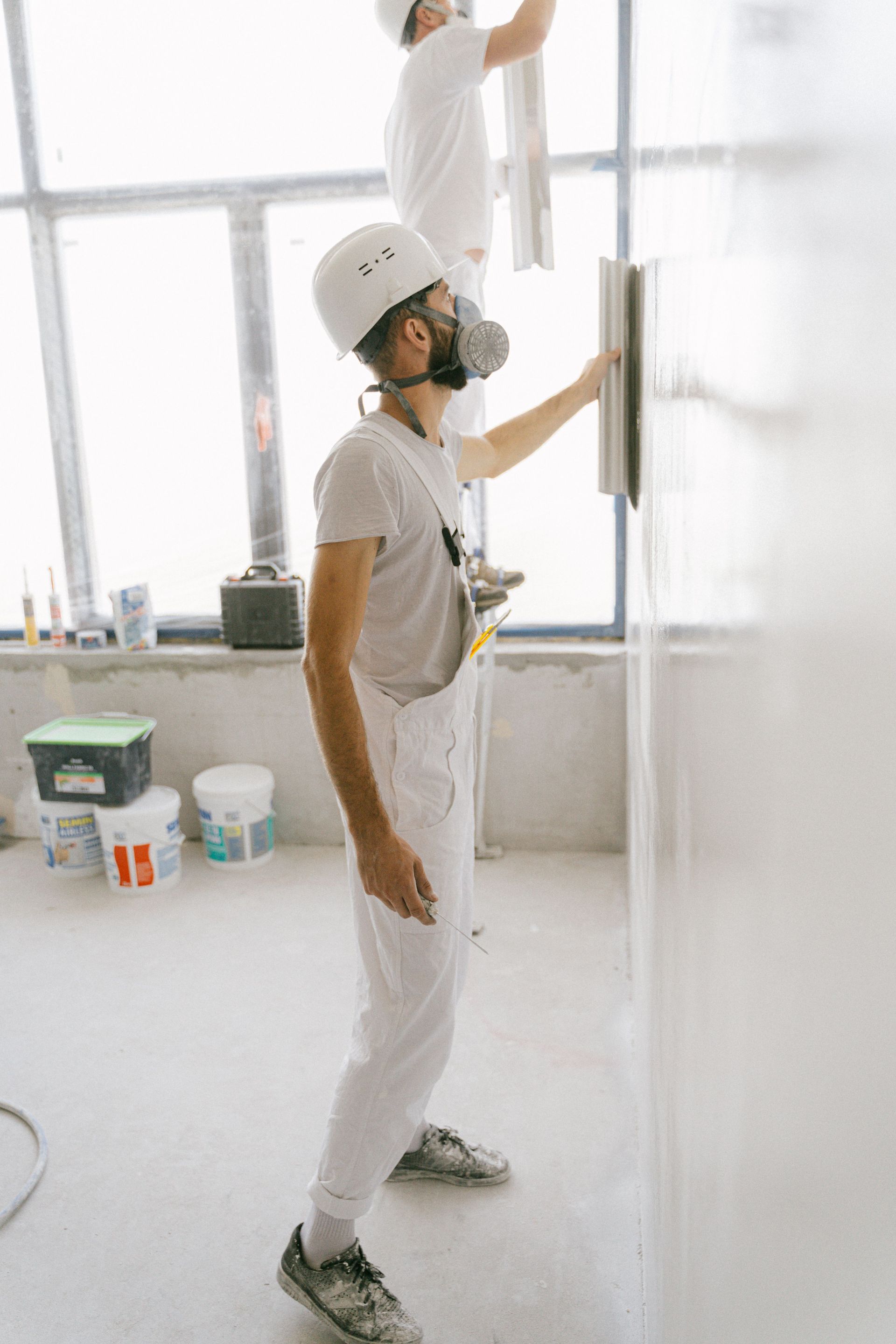
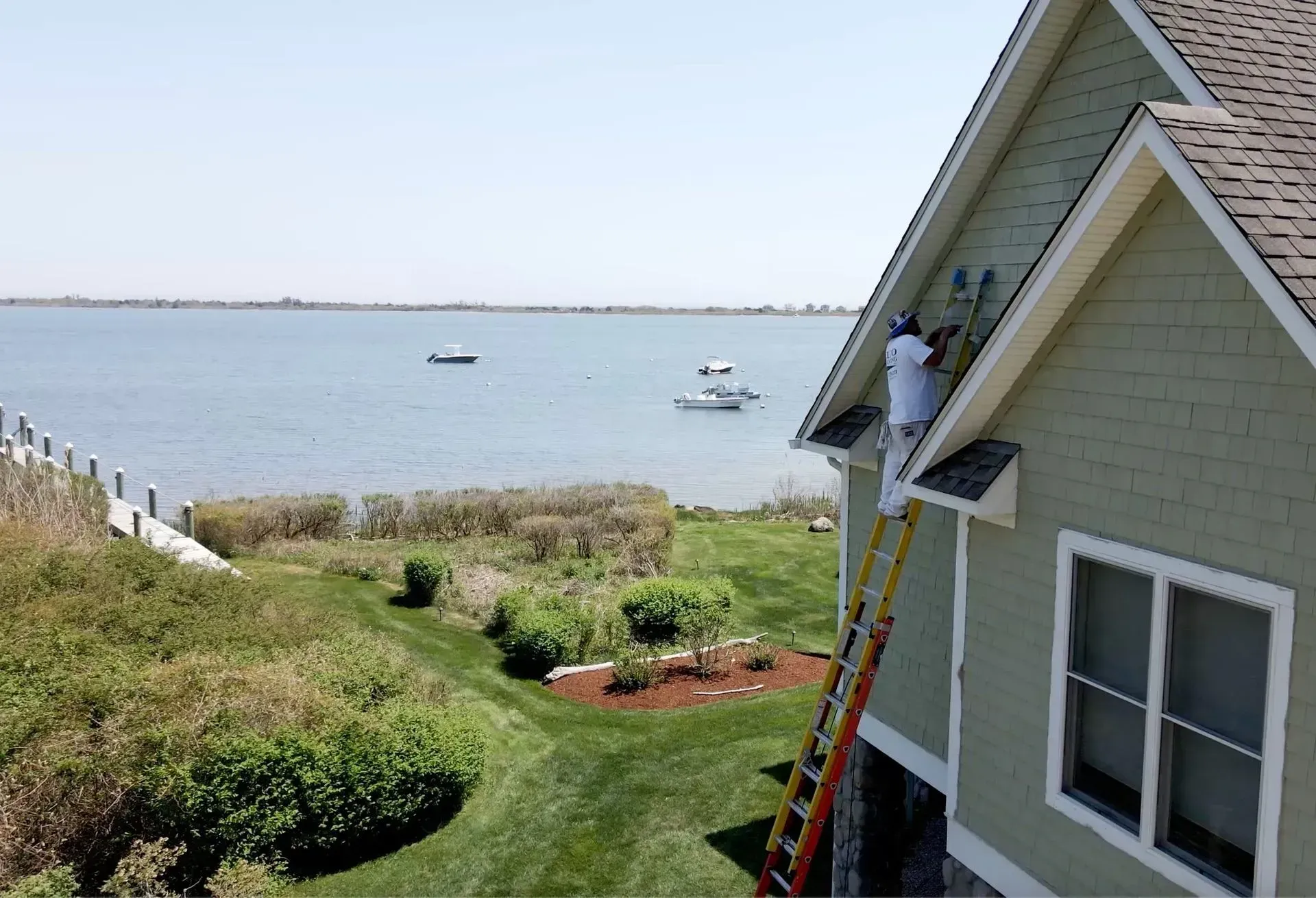
Exterior painting depends heavily on weather conditions. Once temperatures are consistently warm enough, painting crews shift into full outdoor mode.
The catch? That window tends to open quickly.
One week it still feels like winter. The next week everyone suddenly decides it’s time to repaint the house, freshen the deck, or finally tackle those faded shutters. Because many homeowners wait for obvious “painting weather,” demand tends to spike all at once.
Contractors know this pattern well. Schedules that look wide open in late winter can fill surprisingly fast once spring arrives. Booking early helps you stay ahead of that rush rather than competing for the remaining spots.
Early Planning Gives You Time to Make Better Decisions
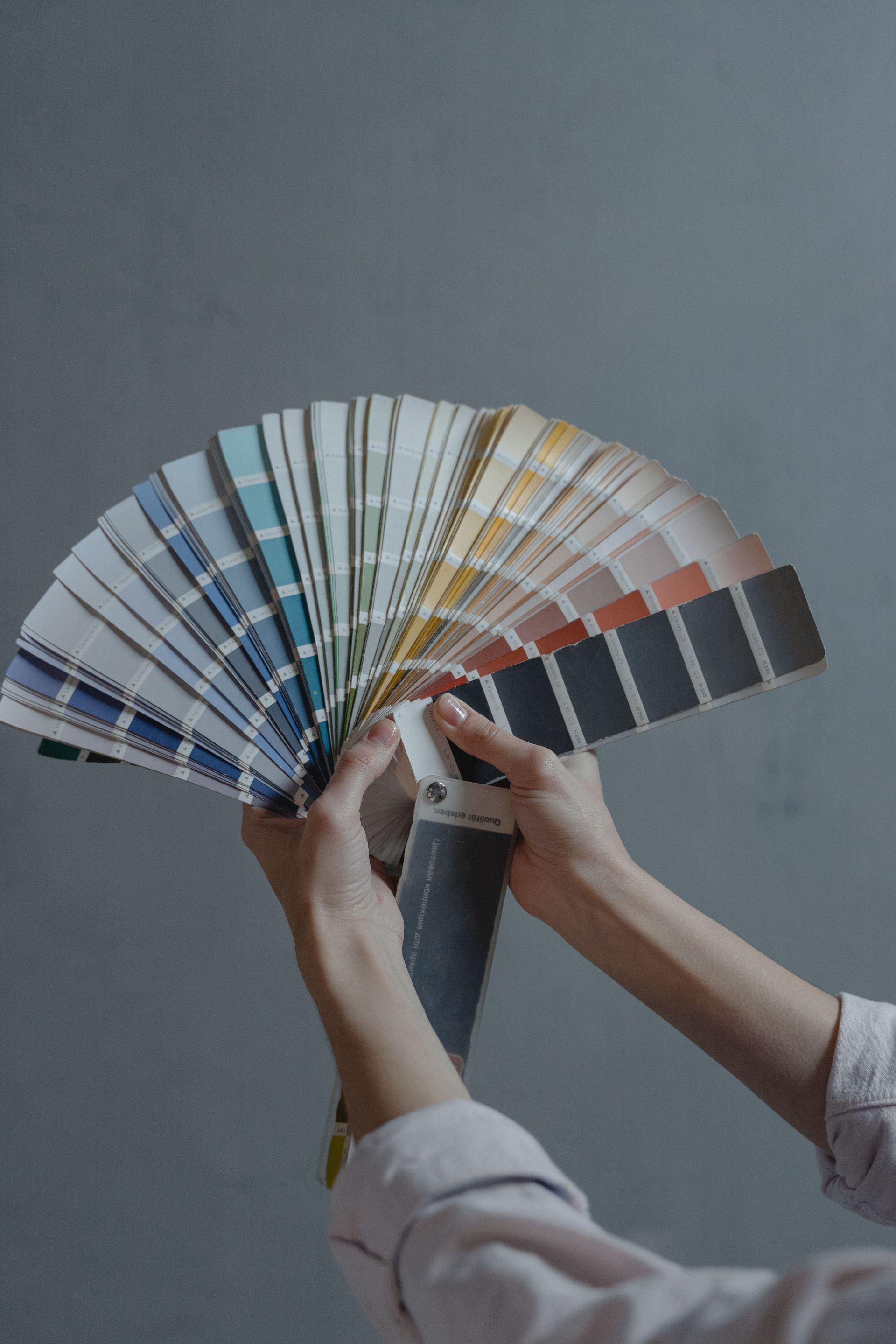
Painting projects often involve more choices than people expect. Color selection alone can send homeowners down a rabbit hole of paint swatches, sample patches, and friendly debates about whether something is “gray” or “greige.”
When you plan ahead, you give yourself time to make thoughtful decisions instead of rushed ones.
You can:
- Test paint samples on different sides of the house
- See how colors change in sunlight and shade
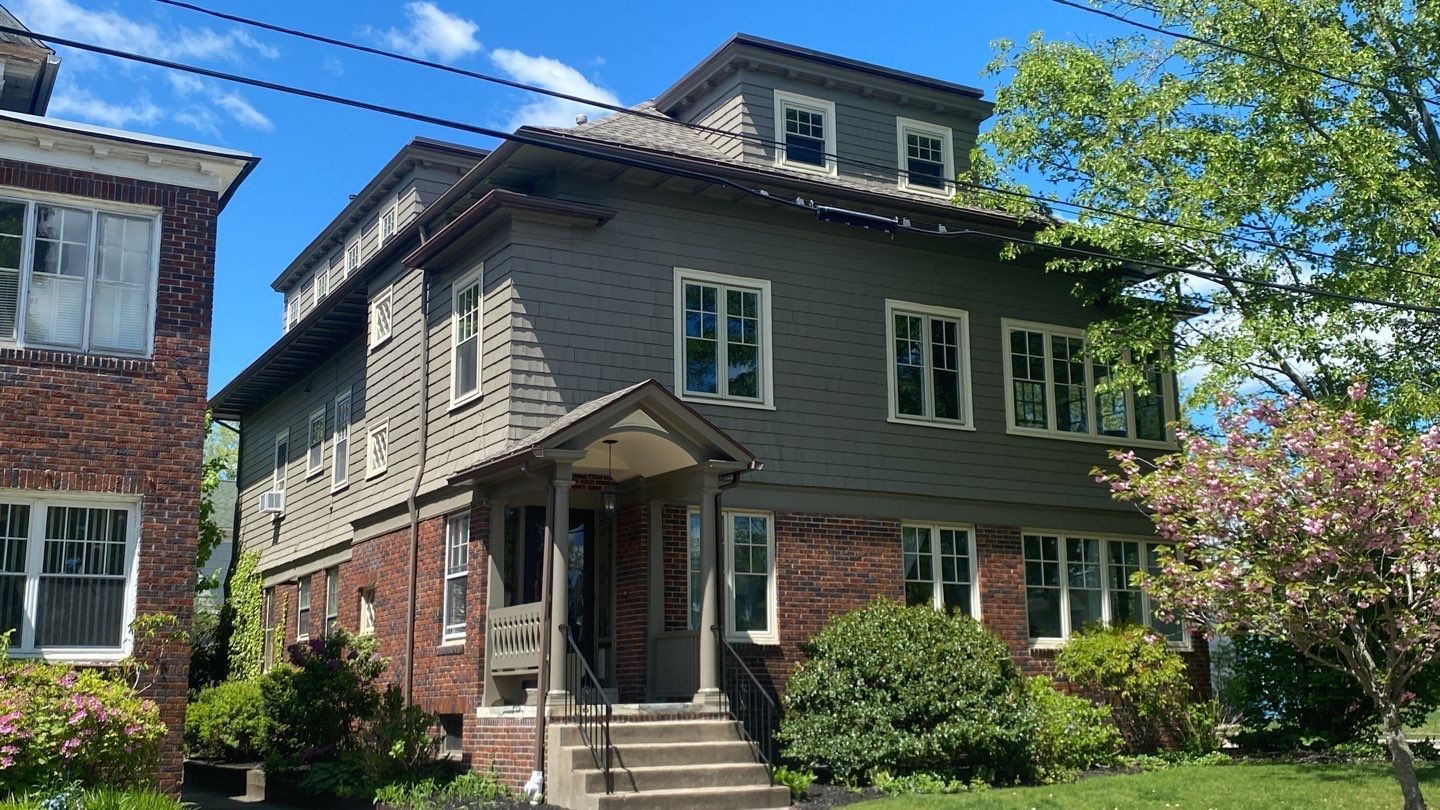
- Coordinate trim, siding, shutters, and accents
- Consider other improvements, like carpentry repairs or deck staining
Without the pressure of an immediate start date, you can slow down and get the look you really want. And that usually leads to better results.
Spring Scheduling Often Means Smoother Projects
When the painting season first begins, schedules are usually more flexible. Crews have more room to space projects appropriately, which often leads to a smoother experience for homeowners. Planning earlier in the year can help avoid the scheduling crunch that sometimes happens later in the summer.
More Flexible Start Dates:
Early in the season, contractors often have greater availability. This can make it easier to choose start dates that fit your schedule rather than working around a packed calendar.
Easier Project Coordination:
With fewer projects overlapping, crews can often coordinate preparation, repairs, and painting more efficiently. That usually means fewer surprises and a more predictable timeline.
Better Room for Weather Adjustments:
Spring weather can still be a little unpredictable. When schedules are less crowded, it’s typically easier to adjust for rainy days or temperature swings without pushing projects too far down the calendar.
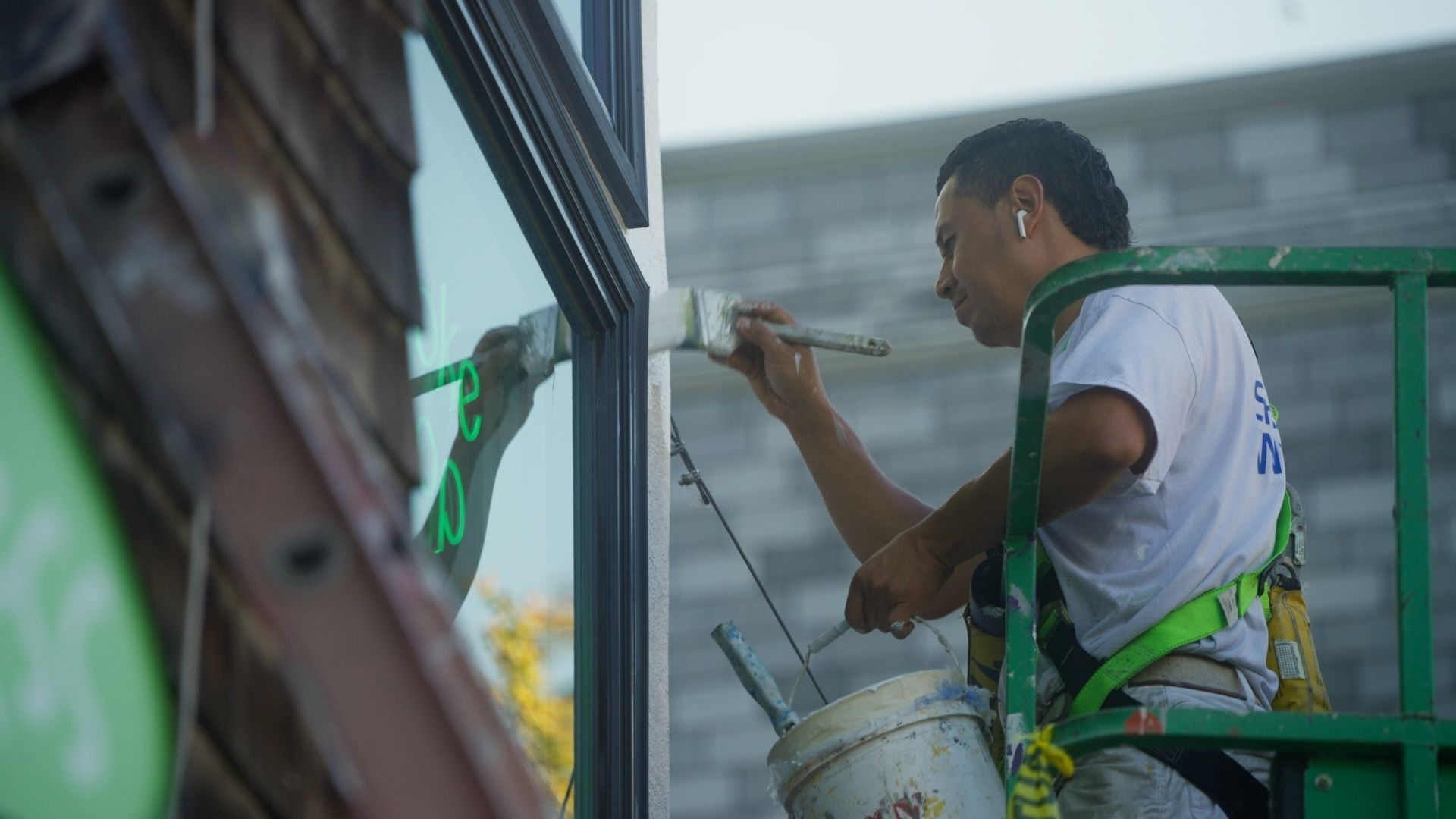
Exterior Paint Problems Don’t Fix Themselves
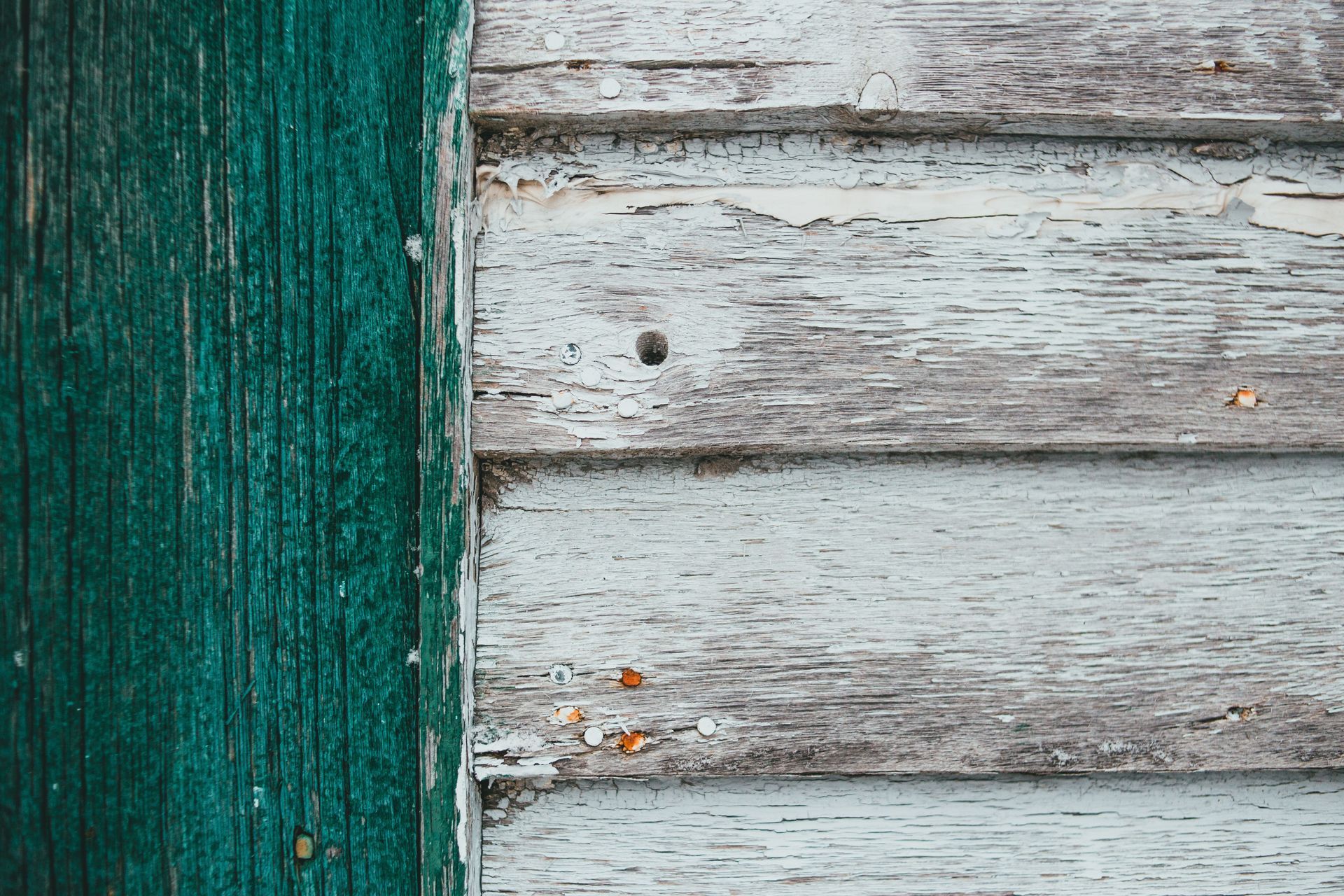
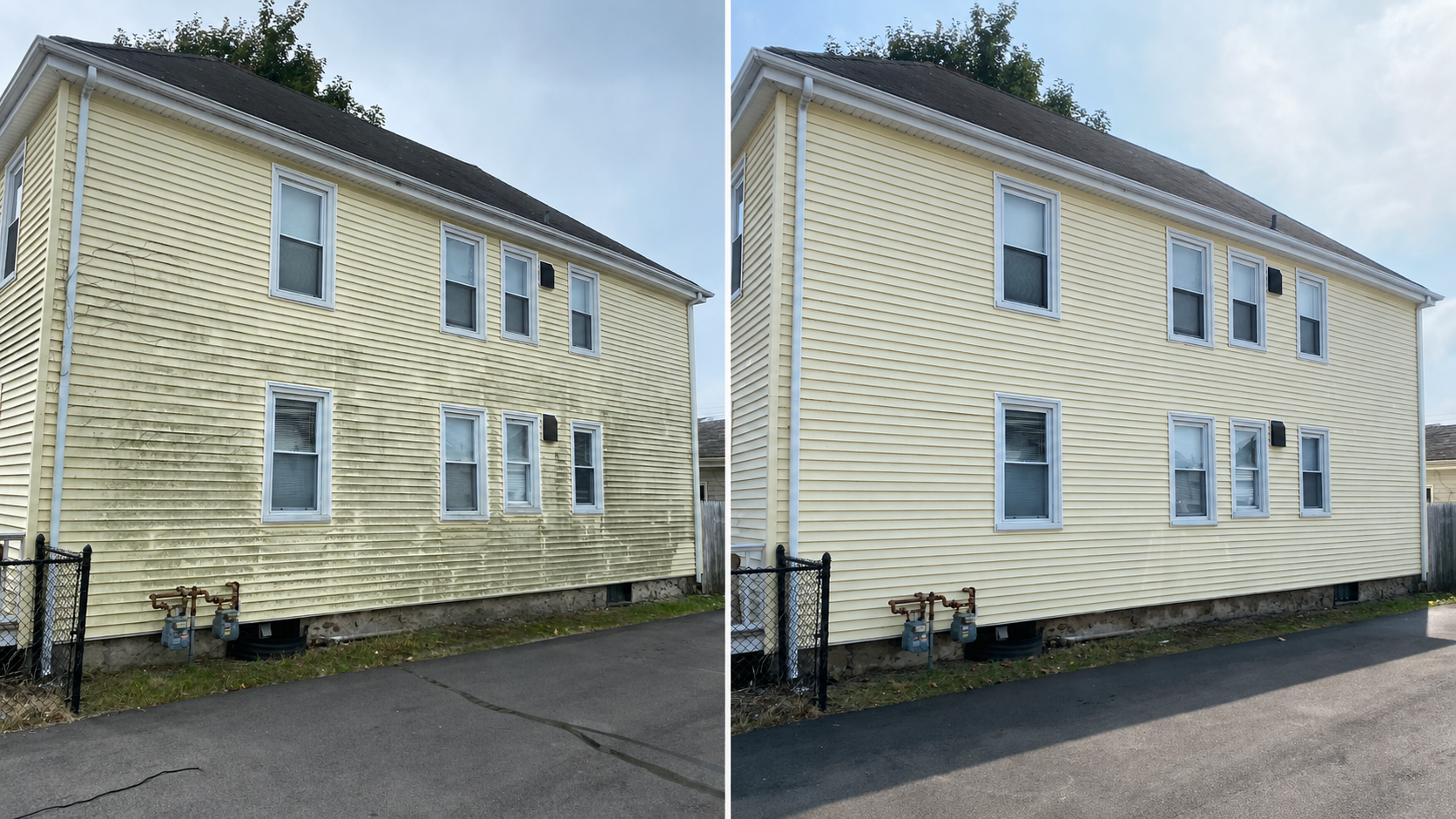
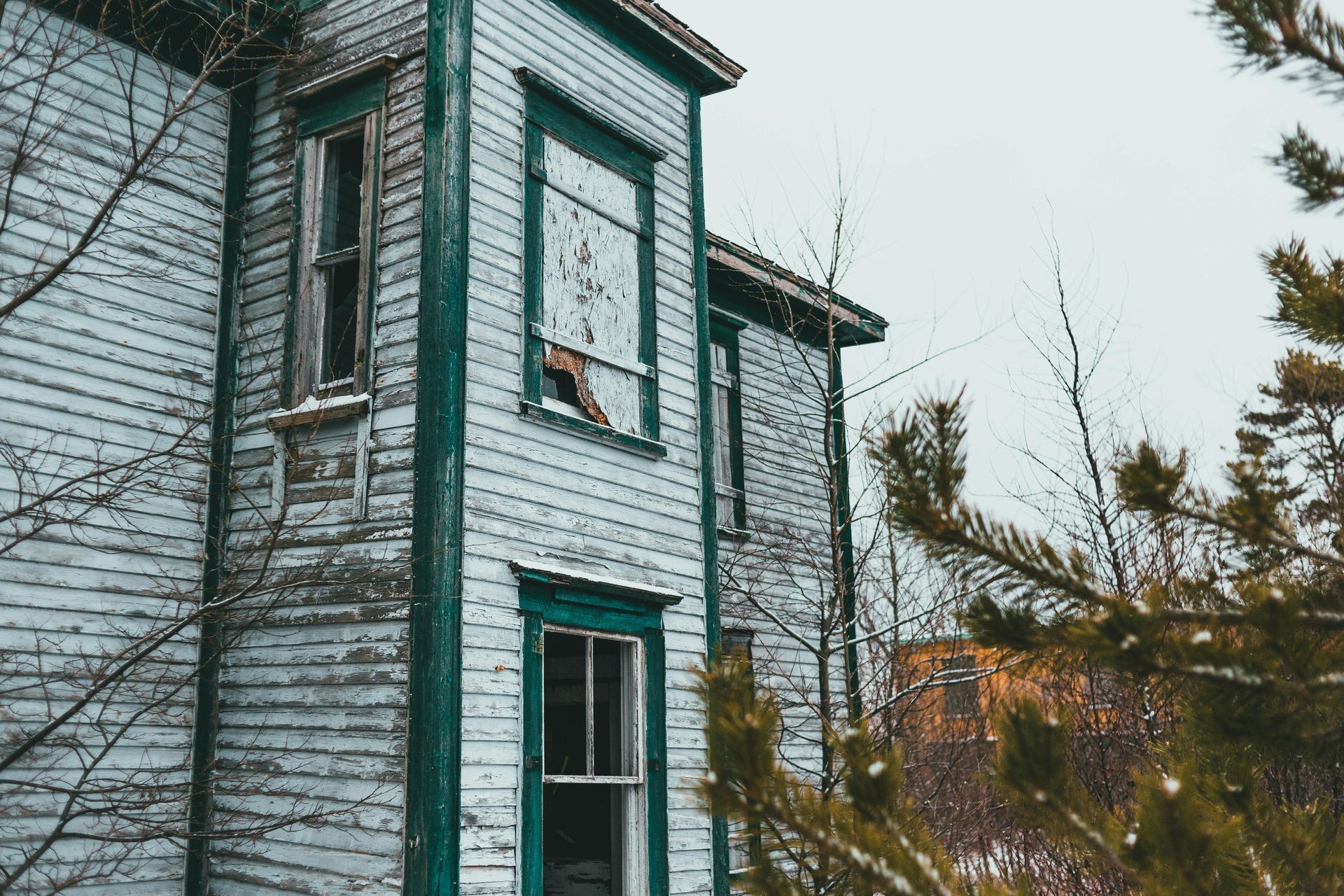
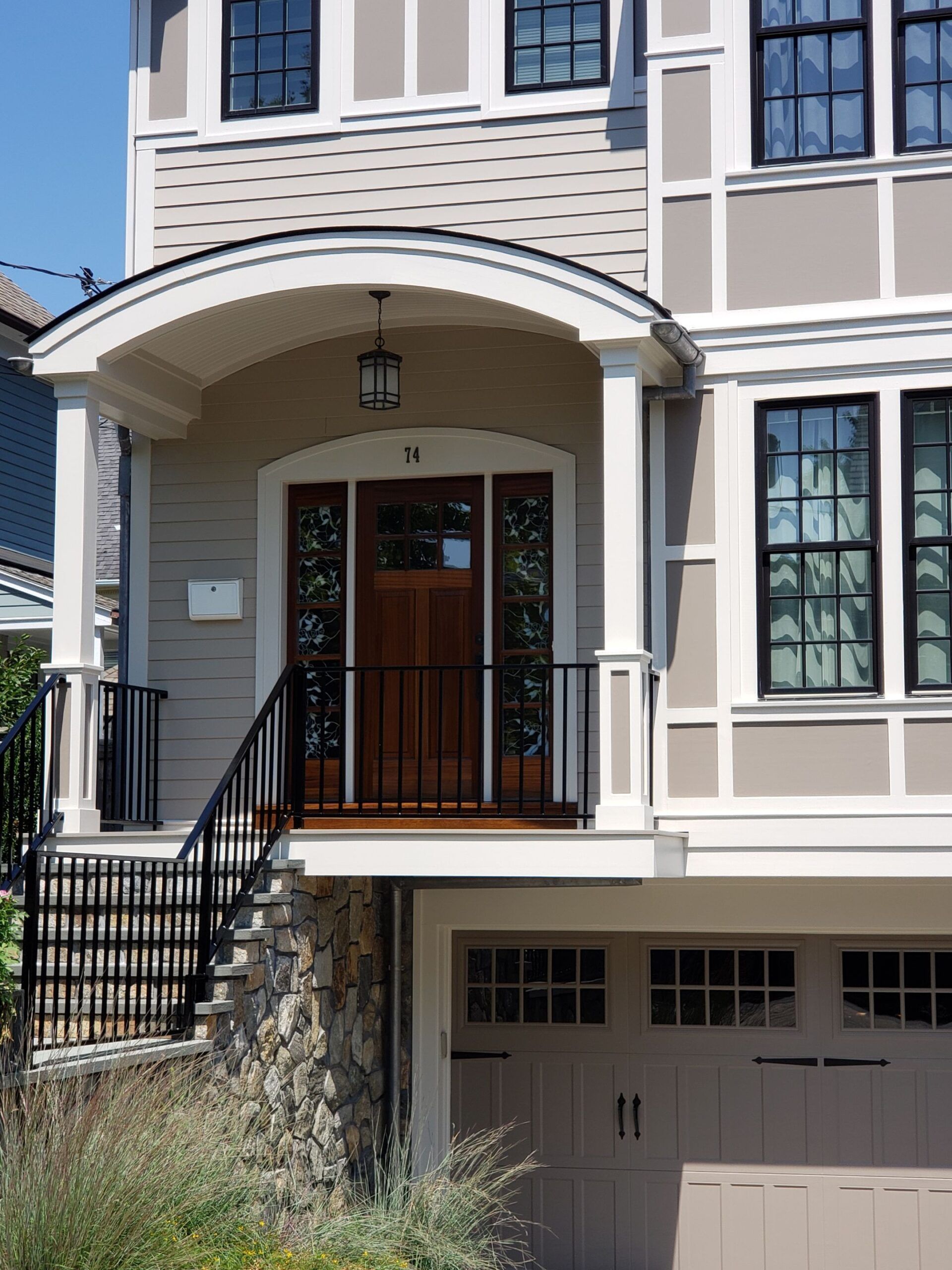
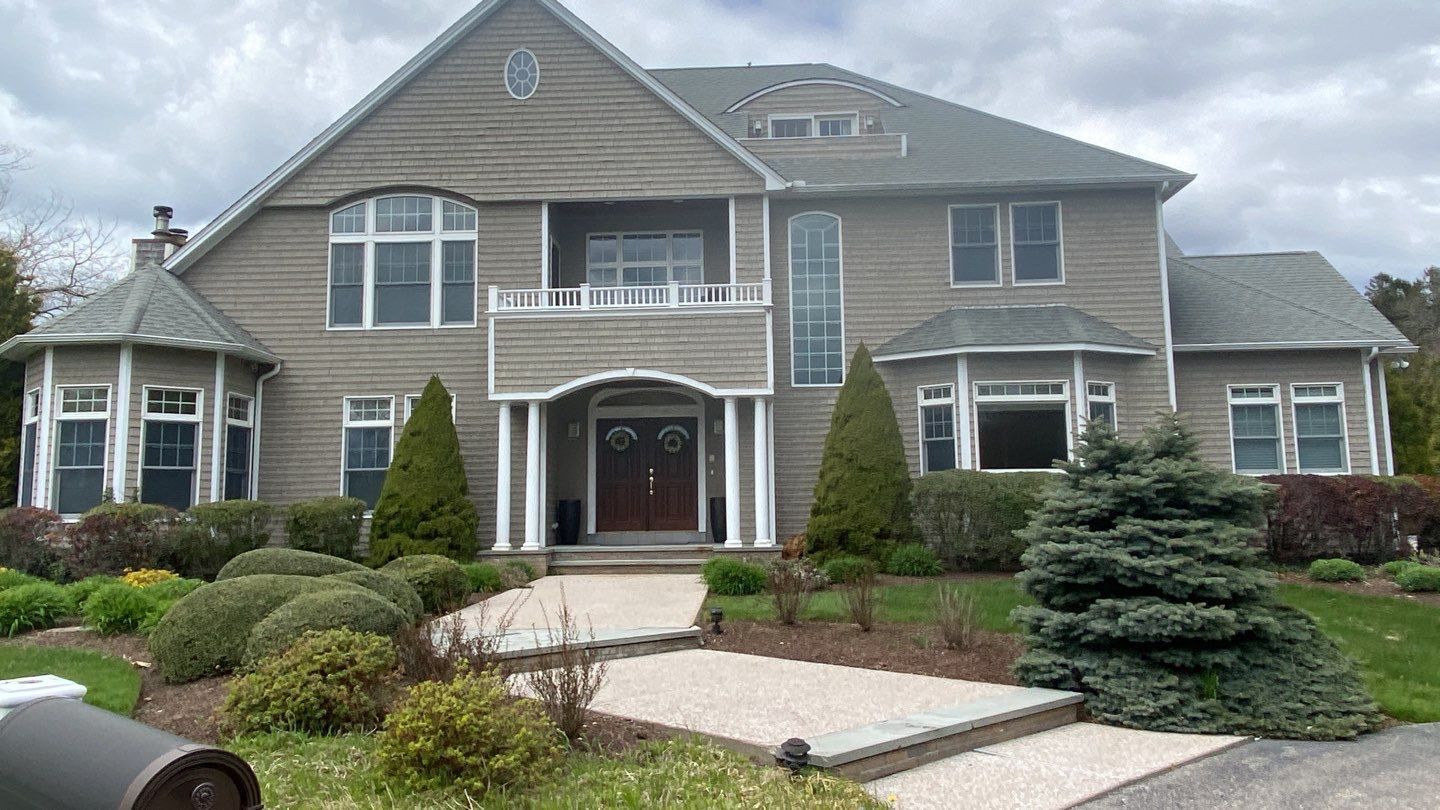
Another reason early scheduling makes sense? Paint issues rarely improve with time. Peeling areas, cracked caulk, exposed wood, or faded siding tend to slowly worsen as they’re exposed to sun, moisture, and seasonal temperature swings. What starts as a cosmetic issue can sometimes turn into a maintenance problem if left too long.
Addressing these areas earlier in the season can help protect your home’s surfaces and prevent minor issues from becoming larger repairs.
The Bottom Line
Spring and summer painting seasons are always busy, and for good reason. Warmer weather creates ideal conditions for exterior work, and homeowners naturally want their homes looking their best. But because demand ramps up quickly, waiting until the middle of the season can sometimes mean limited availability.
Planning ahead gives you time to make thoughtful decisions, address maintenance issues early, and secure a spot before schedules fill. And honestly, there’s something satisfying about checking a big home improvement project off the list before the busy season even begins.
Your house, and your future self, will probably thank you.
Frequently Asked Questions
Q: How long does an exterior paint job typically last?
A: Most exterior paint jobs last between 5–10 years, depending on factors like climate, sun exposure, surface materials, and the quality of the previous paint job. Areas that receive intense sunlight or heavy weather exposure may need attention sooner.
Q: What temperature is ideal for exterior painting?
A: Most exterior paints perform best when temperatures are consistently between about 50°F and 85°F. This allows the paint to cure properly and form a strong bond with the surface.
Q: Do painters need to do repairs before painting the exterior of a home?
A: Often, yes. Proper preparation is a major part of a quality paint job. This can include scraping loose paint, sanding rough areas, replacing damaged wood, sealing gaps with caulk, and priming surfaces before the final coat is applied.
Q: How do I know if my house needs exterior painting?
A: Common signs include fading color, peeling or cracking paint, chalky residue on surfaces, exposed wood, or cracked caulking around trim and windows. Even if the paint still looks okay from a distance, these early signs may indicate it’s time to start planning.
Elco Painting
If you’re starting to think about freshening up your home this spring or summer, the ELCO Painting team would be happy to help you plan ahead. Whether you already have a color in mind or just know it’s time for a refresh, we’re always glad to talk through ideas and help you figure out the next steps.
Our goal is simple: make the process easy, clear, and stress-free from the first conversation to the final coat of paint!