
Summer Painting Projects for Schools and Churches: Planning Your Break Window
Last Updated: May 13, 2026
For schools and churches, summer has a way of disappearing quickly. What looks like a long break often becomes a tight window once all the meetings and events are accounted for. That’s why summer painting projects require more planning than many organizations expect — especially when contractor schedules are filling up well before June arrives.
The good news? A little early planning can go a long way toward making summer projects smoother, more flexible, and far less stressful. Here are a few important things schools and churches should consider when preparing for summer painting season.
Why Summer Is the Preferred Time for Painting Projects
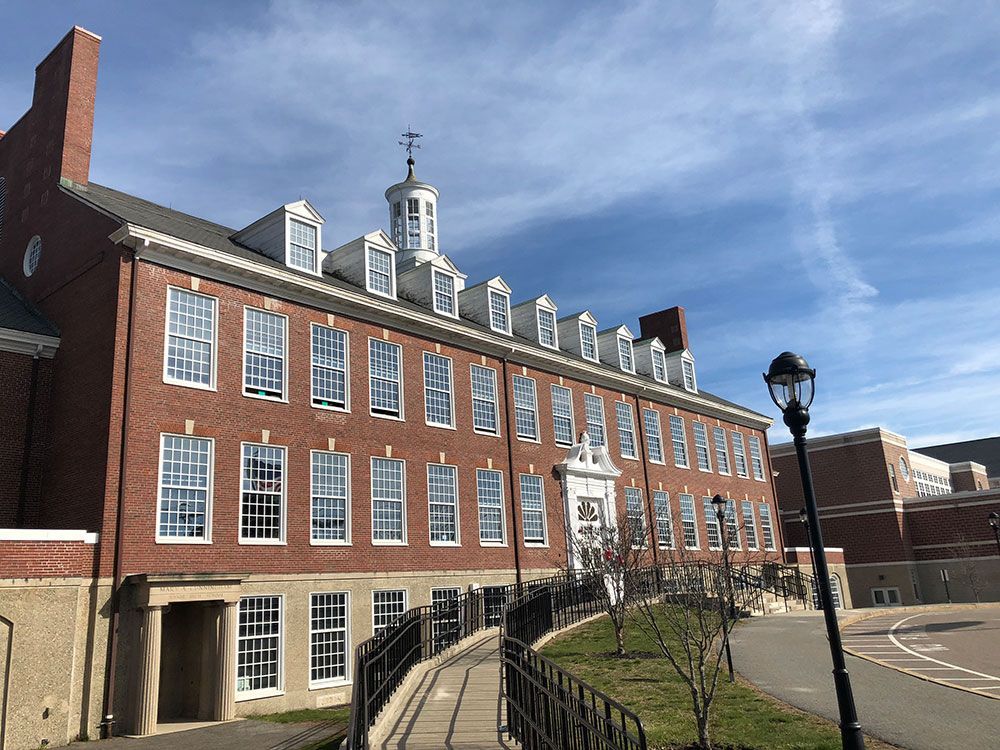
There’s a reason so many schools and churches target summer for facility improvements. For schools, it’s often the only extended opportunity to access classrooms, hallways, cafeterias, and common areas with reduced occupancy. For churches, summer can create openings between larger ministry events and programming schedules.
Summer painting projects also allow for:
- Better ventilation opportunities
- Easier access to high-traffic areas
- Reduced disruption to students and congregations
- More flexibility for larger maintenance projects
Interior work that would be difficult during active operations becomes far more manageable during quieter summer months. But “quieter” rarely means completely empty.
The Challenge: Summer Break Isn’t Always Wide Open
One of the biggest misconceptions about summer facility work is that buildings sit unused for months. In reality, many schools and churches remain active throughout the summer. That means painting projects often need to be carefully phased around active schedules rather than simply shutting down an entire building.
Why Early Planning Matters
Many organizations wait until late spring to begin discussing summer projects, only to realize contractor schedules are already tightening. That’s especially true for schools and churches because everyone is competing for similar timeframes.
Summer projects also require coordination with:
- Flooring contractors
- HVAC work
- Electrical upgrades
- Cleaning schedules
- Furniture moves
- Other maintenance projects
The earlier planning begins, the easier it becomes to coordinate schedules, define priorities, and avoid last-minute pressure.
What Areas Should Be Prioritized?
Not every facility needs a full repaint all at once. In many cases, schools and churches are better served by focusing on the spaces seeing the most wear or operational impact. Common priority areas include:
High-Traffic Hallways and Entrances:
These spaces tend to show wear faster than almost anywhere else in the building.
Classrooms and Educational Spaces:
Summer creates an ideal opportunity to refresh learning environments before students return.
Fellowship Halls and Gathering Areas:
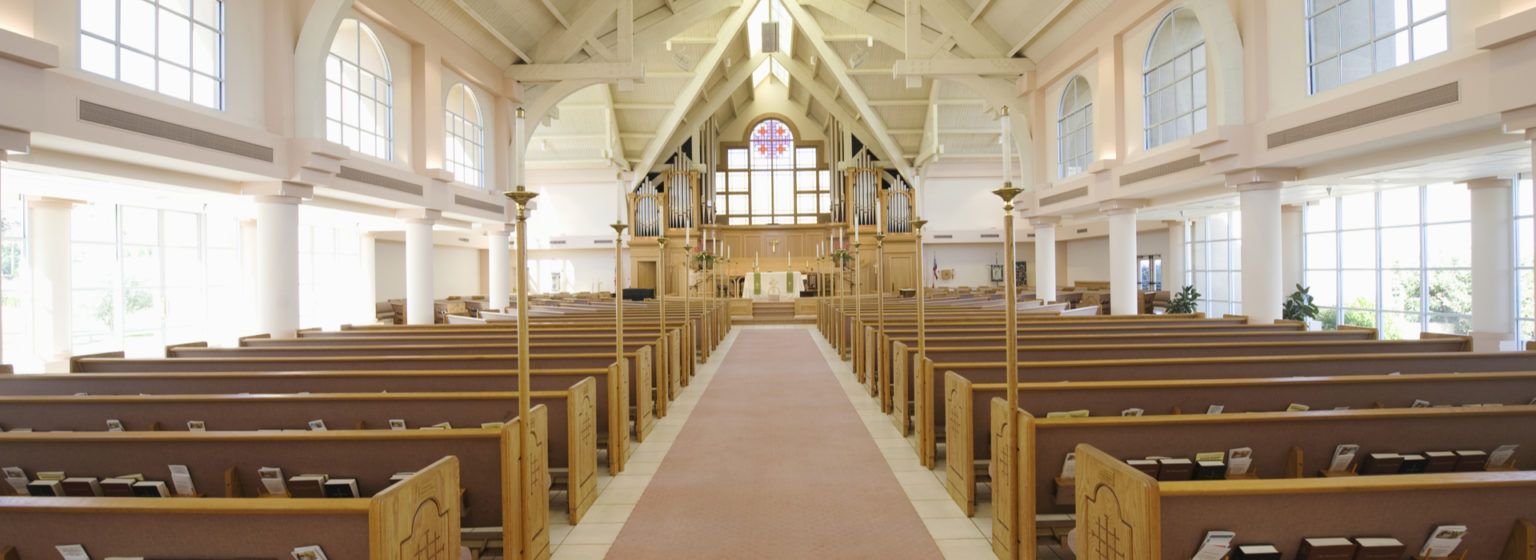
Church common spaces often experience constant weekly use and may benefit from updates before fall programming ramps back up.
Gymnasiums and Athletic Facilities:
These large spaces can be difficult to address during active sports seasons.
Exterior Trim and Weather-Exposed Areas:
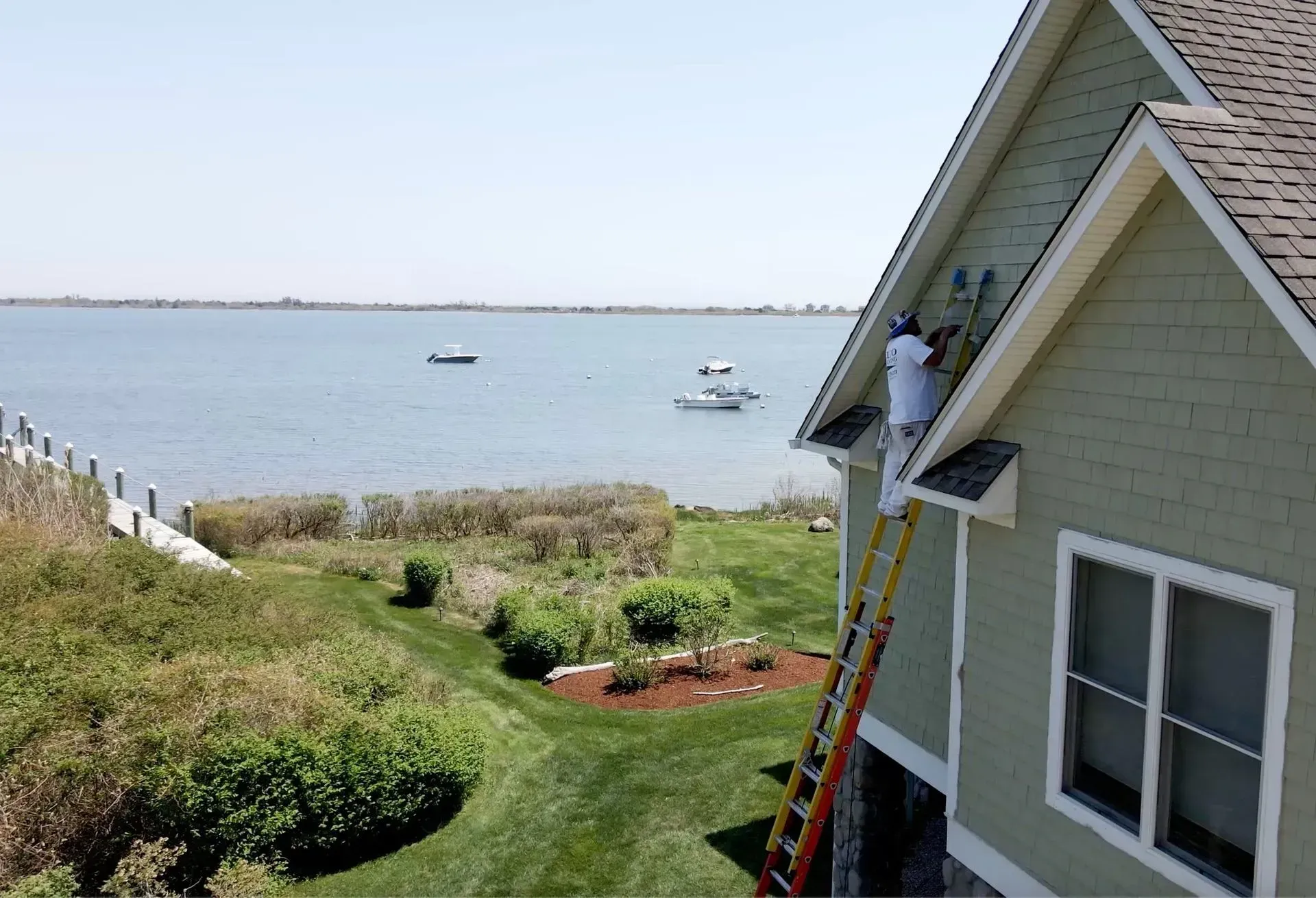
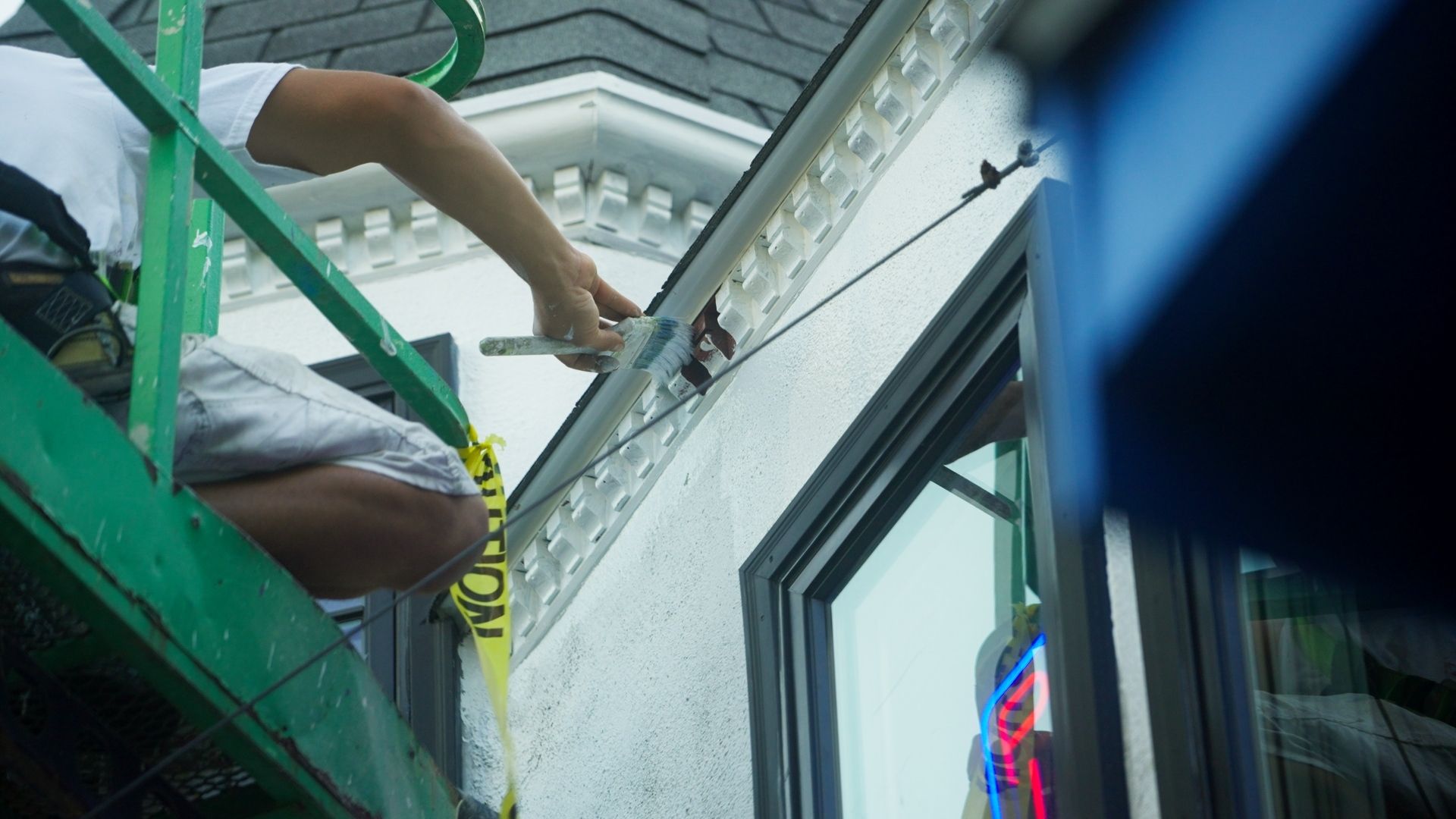
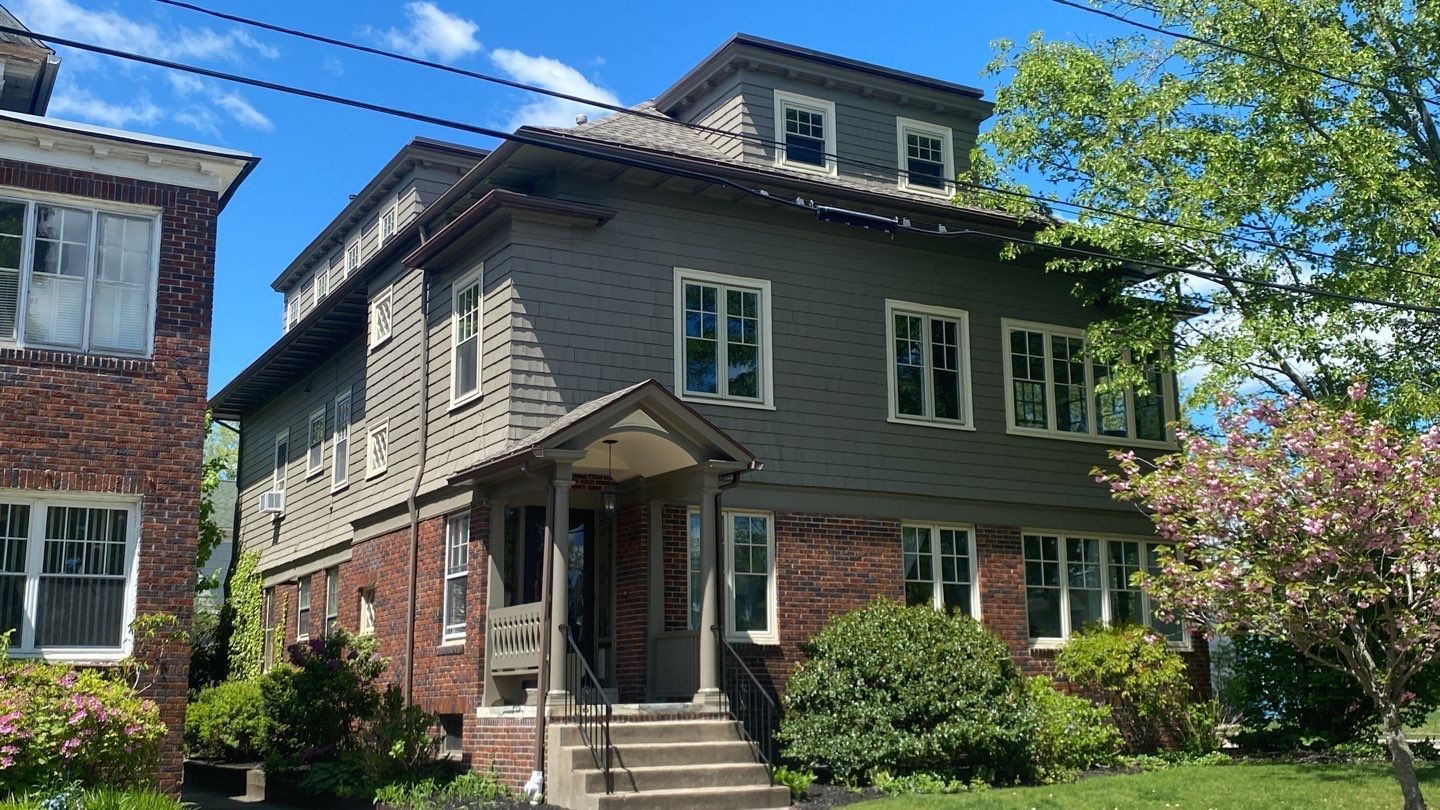
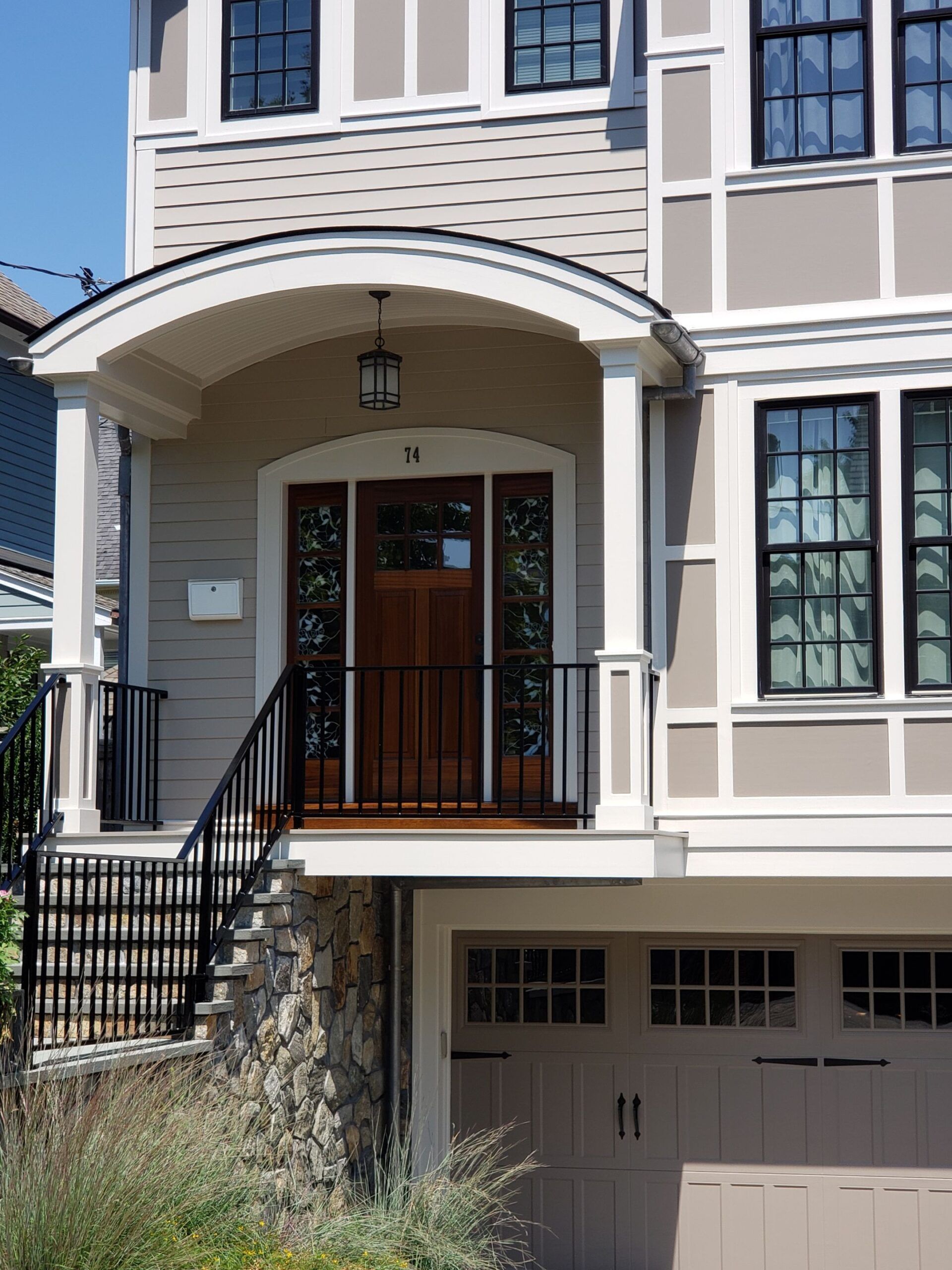
Rhode Island weather can be especially hard on exterior surfaces, particularly around entryways and high-moisture areas.
Why Phased Projects Often Work Best
Large campuses, active schedules, and budget considerations often make phased projects the smarter approach. Instead of tackling everything at once, organizations can prioritize the areas that need the most attention while building a longer-term maintenance plan.
A phased approach also helps reduce disruption, maintain operational flexibility, and coordinate work around summer programs and events. For many facilities teams, it creates a far more manageable and sustainable way to keep buildings updated and well-maintained over time.
The Importance of Low-VOC Paint Products
For schools and churches, paint selection is about more than appearance. Indoor air quality should also be part of the conversation, especially in spaces regularly occupied by children, staff, congregations, and community groups. That’s why many facilities prioritize low-VOC paint products for interior painting projects.
Low-VOC coatings are designed to release fewer volatile organic compounds into the air, which can help reduce strong odors and improve comfort during reoccupancy. This becomes especially important when summer camps, childcare programs, VBS, or other activities continue while projects are underway. Choosing the right products can help create a healthier, more comfortable environment while minimizing disruption once spaces reopen.
What Helps Summer Painting Projects Run Smoothly?
Successful summer projects usually come down to planning and communication. A few things that make a major difference include:
- Early facility walkthroughs
- Clearly defined project priorities
- Realistic scheduling expectations
- Coordination with other vendors
- Defined phasing plans
- Clear communication with staff and leadership
The smoother the planning process is upfront, the smoother the project usually runs once summer arrives.
Summer Windows Close Faster Than Most Organizations Expect
For schools and churches, summer always feels longer during the planning phase than it does once the season actually begins. Before long, reopening deadlines start approaching, programs return, and the available work window closes quickly. That’s why organizations that begin planning earlier often have more flexibility, better scheduling options, and fewer last-minute complications.
Because when it comes to summer painting projects, timing is often just as important as the work itself.
The Takeaway?
Summer painting projects for schools and churches require more planning than many organizations expect. But
starting the conversation early helps create more flexibility, smoother scheduling, and less stress once summer arrives!