Can You Paint a Rhode Island Business Without Shutting It Down?
Last Updated: September 27, 2026
Usually, yes. Actually, many commercial painting projects can be completed while a business remains open. The key is planning the work around employees, customers, deliveries, and normal operations. Painters may need to work in phases or schedule painting during slower hours, but you don't typically need the whole place shut down. That said, there are exceptions. Some projects may require short-term closures depending on the scope, products being used, and safety requirements.
Start With Your Business, Not the Paint
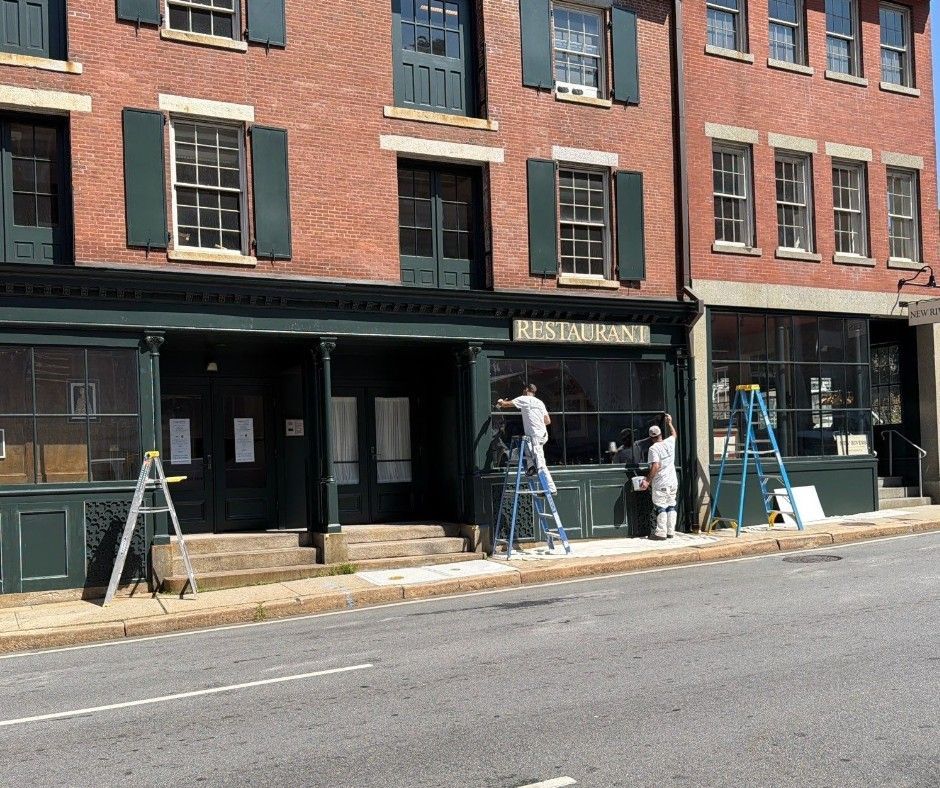
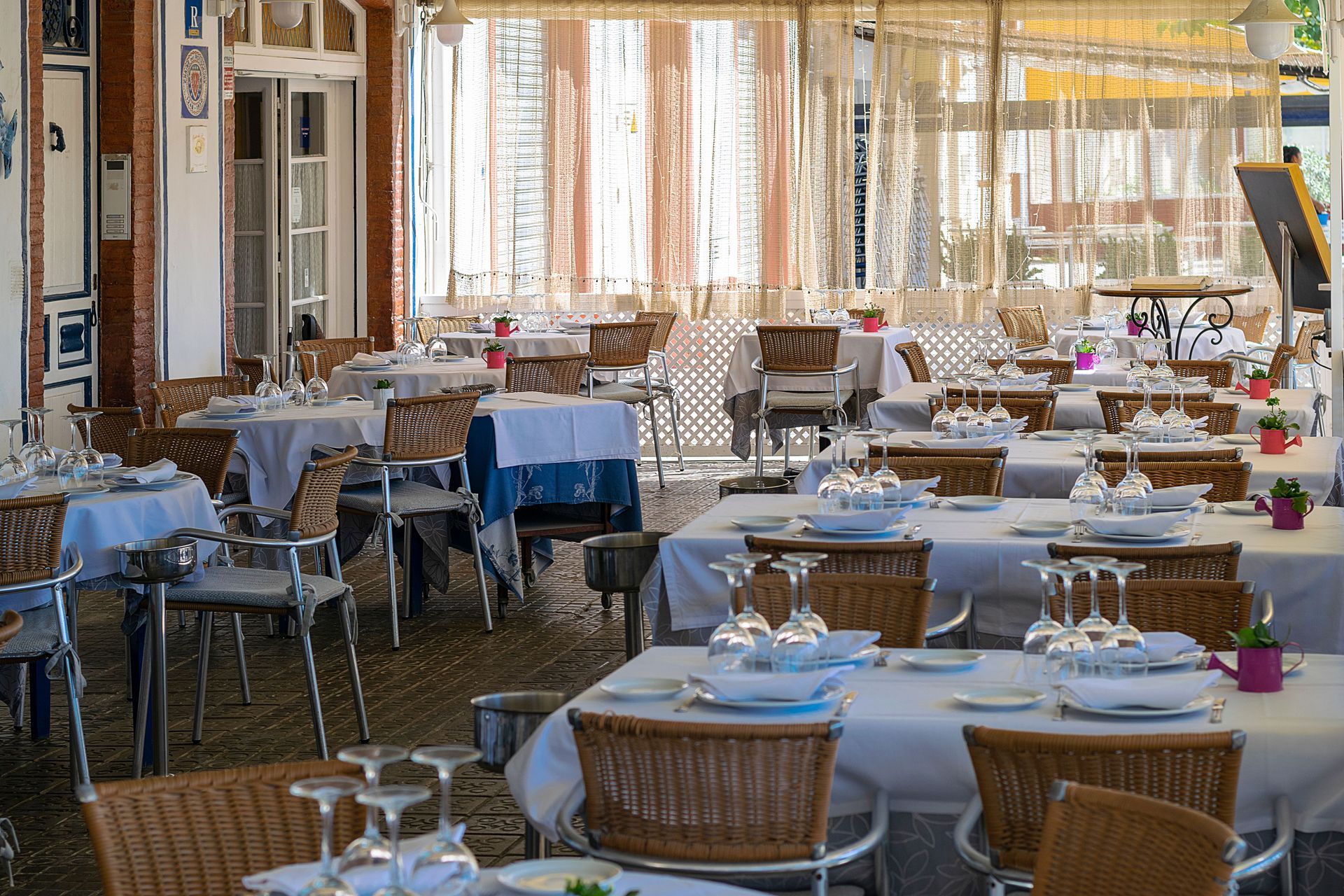
Every commercial painting project is different because every business operates differently. Painting an office with employees working remotely on Fridays is one thing. Painting a busy restaurant dining room at 6:30 on a Saturday night is another. And we'd strongly recommend not testing that second strategy.
Before work begins, the painting contractor should understand how the property is actually used. When do customers arrive? Which entrances need to remain accessible? Are there busy and slow periods? Where do employees work? Are deliveries made at specific times? Those details can help determine when and where painting should happen with the least disruption.
Painting in Phases Can Keep Your Business Moving
One of the simplest ways to avoid shutting down is to divide the project into smaller sections. Instead of painting an entire office, retail space, or commercial building at once, crews can often complete one area before moving to the next. Employees or customers can continue using other portions of the property while work is underway. For example, a project might be divided by:
- Floors or departments
- Offices and conference rooms
- Hallways and common areas
- Customer-facing and employee-only spaces
- Individual exterior elevations
Phasing takes coordination, but it can make a larger project much easier to manage. It also prevents everyone from arriving Monday morning to discover that the entire office has become one very large drop cloth.
Can Commercial Painters Work After Hours?
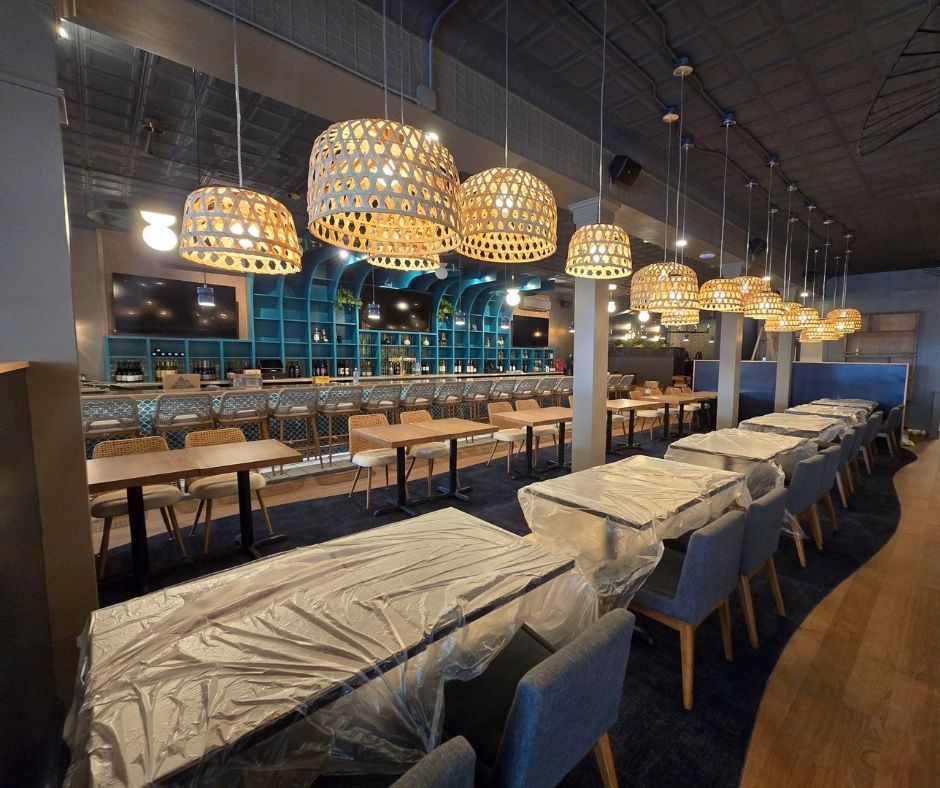
Often, yes. Evenings, weekends, early mornings, and other off-hours can be useful when painting would otherwise interfere with normal business operations. An office might schedule work after employees leave for the day. A retailer could complete certain areas outside store hours. Restaurants may have windows between closing and reopening when some work can be performed.
Keep in mind, after-hours painting isn't always necessary, and it may affect project logistics or cost depending on the circumstances. But for businesses where customers or employees can't easily be moved around, scheduling can be one of the most effective ways to reduce disruption. The goal is to find a schedule that works for both the painting process and the people who still need to use the building.
What About Paint Odors and Fumes?
Understandable concern. Especially when employees and customers will remain nearby. The good news is that many modern commercial coatings are available in low-VOC or low-odor formulations that can make occupied painting projects more manageable. Of course, there are certain materials that may require the more “potent” stuff, but for the most part, low-VOC can easily be accomplished.
And don't forget about ventilation. Doors, windows, HVAC systems, fans, and temporary ventilation equipment may all play a role depending on the project.
Safety and Access Still Come First
Keeping a business open doesn't mean pretending the painting isn't happening. Work areas may need to be separated from customers and employees. Ladders, lifts, equipment, wet paint, drop cloths, and other materials can create hazards if people are constantly walking through the work zone. A commercial painting plan may need to account for entrances, emergency exits, sidewalks, parking areas, hallways, elevators, and other high-traffic locations. Sometimes that means closing one entrance while another remains open. Sometimes a hallway needs to be completed outside business hours. A little inconvenience is manageable. Creating an obstacle course for customers is generally less ideal.
Are There Times When a Business Does Need to Close?
Absolutely. While many commercial painting projects can happen around normal operations, there are times when temporarily closing an area makes more sense.
Critical Areas Can't Be Avoided
Painting entrances, stairways, or other high-traffic areas may require temporary closures or after-hours scheduling to keep everyone safe.
Coatings Need Time to Cure
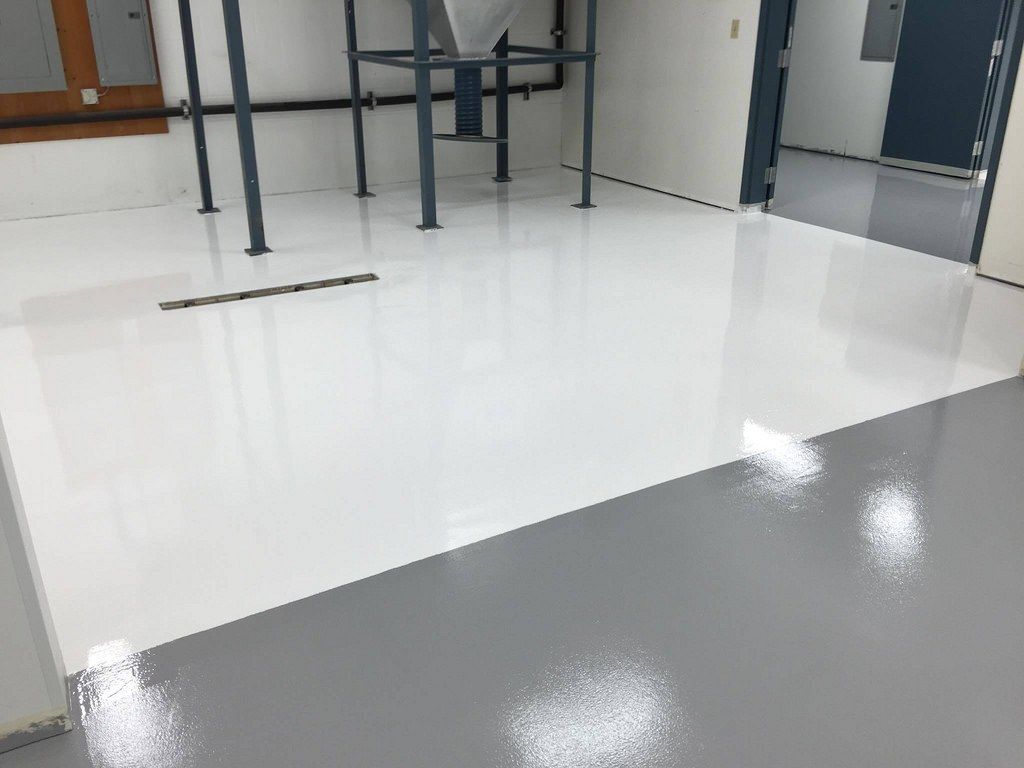
Floor coatings and certain specialty products may need uninterrupted drying or curing time before the space can handle normal traffic again.
Your Business Has Special Requirements
Restaurants, healthcare facilities, manufacturing spaces, and other businesses may have sanitation, ventilation, or safety requirements that affect when painting can occur.
Communication Makes Everything Easier
A well-planned project should make it clear who needs to know what and when. This would be employees needing advance notice that certain offices will be unavailable. You may also need to inform customers through temporary directional signs. If you manage a property, it's important to keep tenants and other property workers in the loop. And let's be real. None of this is particularly exciting. Nobody sits down at their desk hoping to receive an email titled "Hallway Painting Schedule." But clear communication can make the difference between a relatively painless project and a week of people asking, "Wait, we're painting today?" That's also why it's important to choose a commercial painting contractor that understands how to work around an active business.
The Takeaway?
Yes, in many cases a Rhode Island business can be painted without shutting down. The solution usually comes down to smart scheduling, phasing the project, selecting appropriate products, maintaining safe access, and communicating with everyone who uses the property. Some projects may require temporary closures or restricted areas, but that doesn't necessarily mean putting the entire business on hold. The best commercial painting plan isn't just about getting paint onto the walls. It's about getting the work done while allowing your business to keep doing what it does.
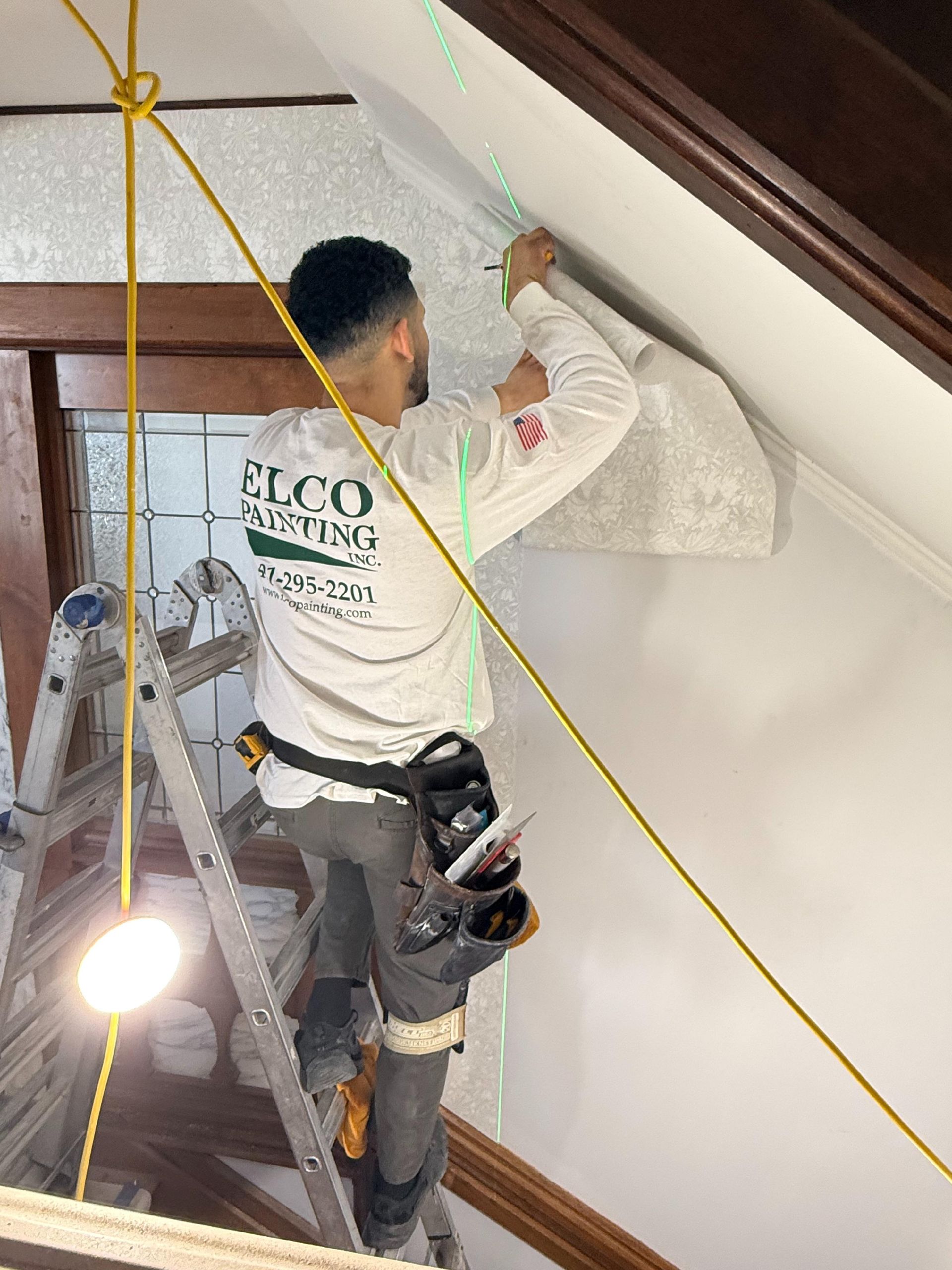
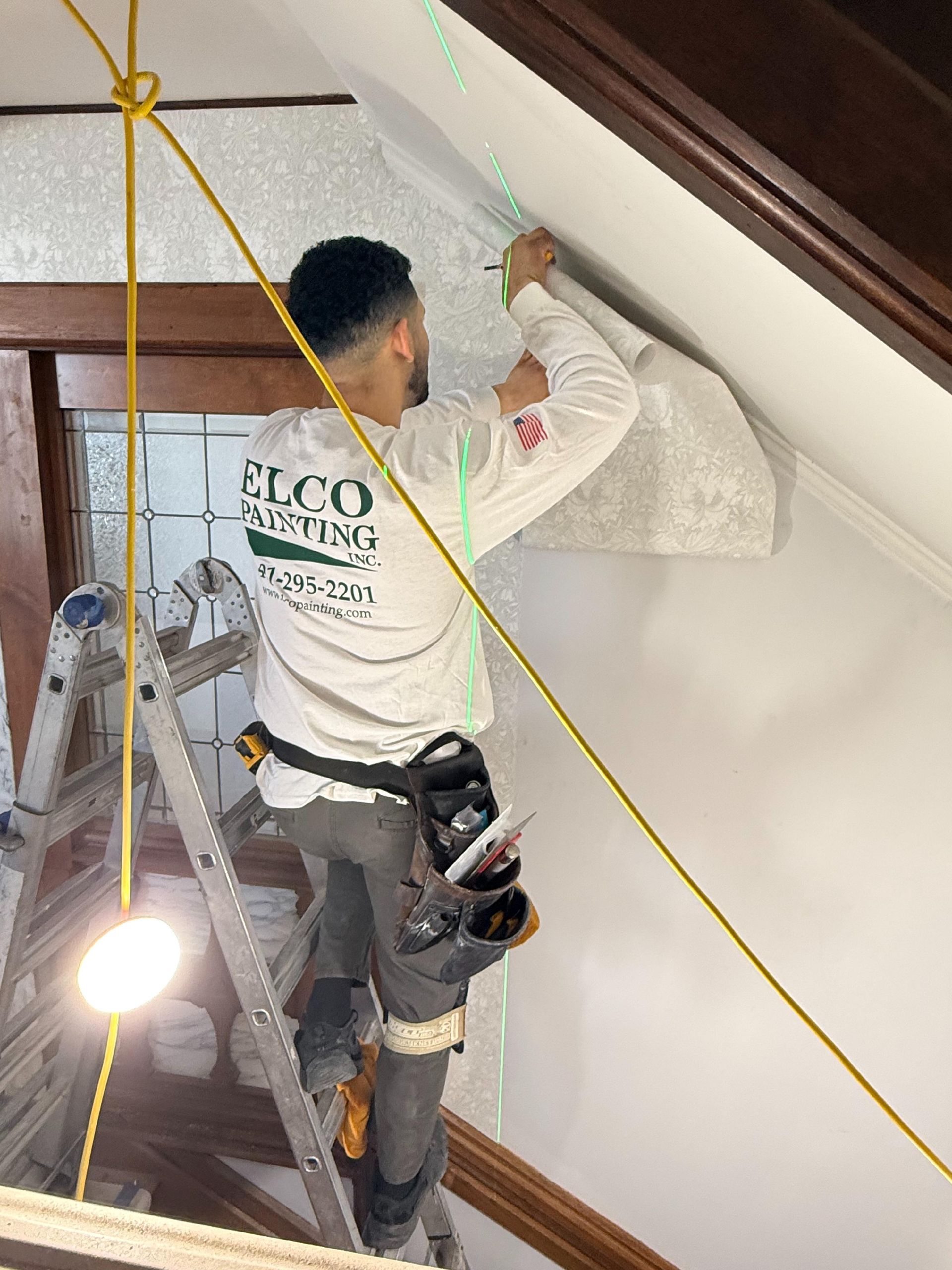
ELCO Painting
At ELCO Painting, we understand that commercial painting has to work around more than walls and ceilings. If you're planning a painting project for your Rhode Island business and have questions about scheduling, access, or keeping operations moving, our team can help you think through the project before work begins.
Frequently Asked Questions
Q: Can commercial painters work while employees are in the building?
A: Often, yes. Work may be phased or scheduled around employees, with individual areas temporarily closed while other portions of the building remain in use.
Q: Can commercial painting be done at night or on weekends?
A: Many commercial projects can be scheduled during evenings, weekends, or other off-hours when appropriate. Availability and cost can vary depending on the project.
Q: Are low-odor paints available for businesses?
A: Yes. Low-VOC and low-odor coatings are available for many applications, although the right product should also meet the durability and performance needs of the space.
Q: Will customers need to stay away from areas being painted?
A: Typically, active work areas should be appropriately separated from customers and employees for safety and to allow the coating to be applied and dry properly.
Q: How can we minimize disruption during commercial painting?
A: Planning ahead is the biggest factor. Phased work, off-hour scheduling, clear communication, appropriate product selection, and maintaining safe access can all help keep disruption to a minimum.