How Close Can a Professional Painter Match Your Existing Paint Color?
Last Updated: July 30, 2026
Usually, extremely close. In many cases, a professional painter can match your existing paint color so well that you'd be hard-pressed to tell the difference. That said, a "perfect" match isn't always possible. Age, sunlight, wear, and even the texture of the surface can all affect how a color looks over time. Fortunately, with today's color-matching technology and a little expertise, the results are often remarkably accurate.
How Professional Painters Match Paint
Few things are more frustrating than painting over a repaired wall only to discover that the new paint sticks out like it was trying to win an award for "Most Obvious Touch-Up." Whether you're patching drywall, replacing a piece of trim, or simply painting one room while leaving the next untouched, matching an existing paint color is one of the most common requests professional painters receive.
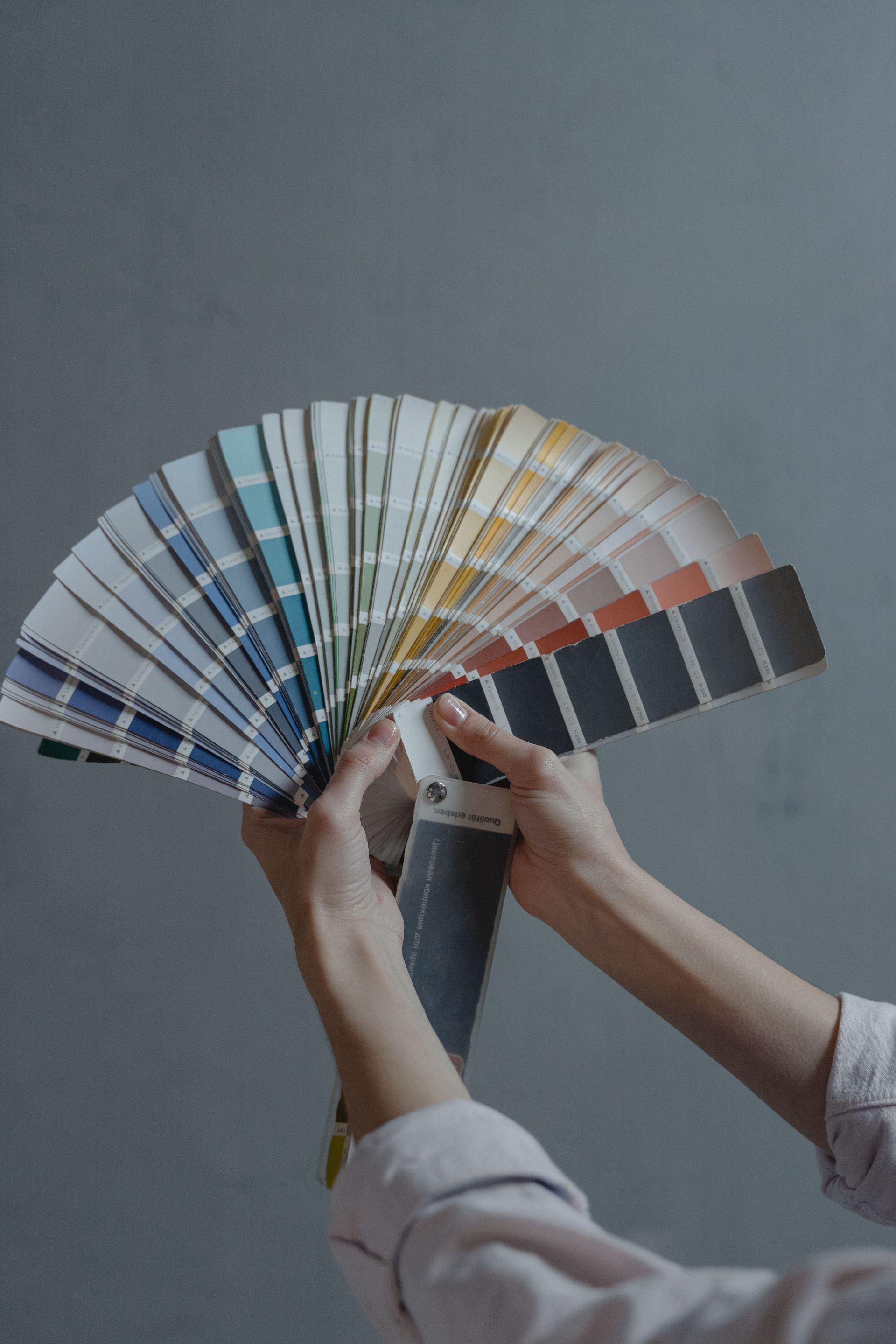
Years ago, matching paint often involved holding dozens of color chips against the wall and hoping one looked close enough. Today, things are much more precise. Most professional paint suppliers use computerized color-matching systems that scan a paint sample and generate a custom formula based on thousands of available color combinations. In many cases, all it takes is a paint chip about the size of a quarter. That sample is analyzed, adjusted if necessary, and mixed specifically to match your existing finish. It's like facial recognition for paint, except less creepy.
Why a "Perfect" Match Isn't Always Possible
Even if the original paint formula is known, time changes paint. Sunlight slowly fades colors. Dirt builds up. Cleaning products can alter the finish. Humidity and everyday wear all affect how paint reflects light. That's why two walls painted with the exact same color ten years apart may not appear identical. The good news is that experienced painters know how to account for these differences and can often make adjustments that create a much more natural-looking result.
The Finish Matters Too
Color isn't the only thing that affects how paint looks. The sheen, or finish, plays a major role as well. Flat, eggshell, satin, semi-gloss, and gloss paints all reflect light differently, which means the exact same color can appear lighter or darker depending on the finish. That's why professional painters work to match both the color and the sheen whenever possible.
Sometimes Blending Works Better Than Matching
Here's a little industry secret. Sometimes the best way to hide a repair isn't creating a perfect color match. It's repainting from corner to corner. If you're touching up a small repair in the middle of a large wall, even an excellent color match may be noticeable because the surrounding paint has aged differently. Repainting the entire wall allows the color to remain consistent from edge to edge, making the repair virtually disappear.
It may involve a little more paint today, but it often produces a much better-looking result.
What Can You Do to Improve the Match?
If you still have the original paint can, congratulations. You've just made everyone's job easier. The paint label often includes the original color formula, manufacturer, sheen, and product line. If that's long gone, don't worry. A small paint chip from an inconspicuous area, like behind a light switch cover or inside a closet, is usually enough for professional color-matching equipment to work with.
The cleaner and less faded the sample, the more accurate the match is likely to be.
The Right Tools Make a Big Difference
While modern color scanners are incredibly accurate, they're only part of the equation. Professional painters understand how lighting, texture, application methods, and surrounding surfaces affect the final appearance. Sometimes a color that looks perfect under fluorescent lights can appear completely different in natural sunlight. Matching paint is equal parts technology and experience, which is why the final result often comes down to more than simply scanning a sample.
Elco Painting
At Elco Painting, we've been helping Rhode Island homeowners and businesses protect and improve their properties for decades. Whether you're planning a small maintenance project or a complete repaint, our team is always happy to provide honest advice and quality workmanship. When you have questions, we're here to help.
Frequently Asked Questions
Q: Can you match paint if I don't know the original color?
A: Yes. In most cases, a small paint sample is enough for professional color-matching equipment to create a very close match.
Q: Will a touch-up always be invisible?
A: Not always. Age, fading, and sheen differences can sometimes make touch-ups noticeable, even with an excellent color match.
Q: How large of a paint sample is needed?
A: Usually, a paint chip about the size of a quarter is enough for accurate computerized color matching.
Q: Is matching the sheen as important as matching the color?
A: Absolutely. Different sheens reflect light differently, so matching both helps create the most seamless appearance.
Q: Should I touch up or repaint the whole wall?
A: It depends on the age of the existing paint and the size of the repair. For larger or older walls, repainting from corner to corner often produces the best-looking result.