
Do Painters Repair Walls Before Painting? What Rhode Island Homeowners Should Expect
Last Updated: September 21, 2026
Usually, yes…at least to some extent. Professional painters typically handle minor wall repairs like filling nail holes, patching small dents, repairing minor drywall damage, and addressing cracks before painting. Larger drywall repairs, water damage, or structural issues may require additional work or even another contractor.
Let's talk about what Rhode Island homeowners should expect when wall repairs and interior painting are part of the same project.
Why Walls Need to Be Repaired Before Painting
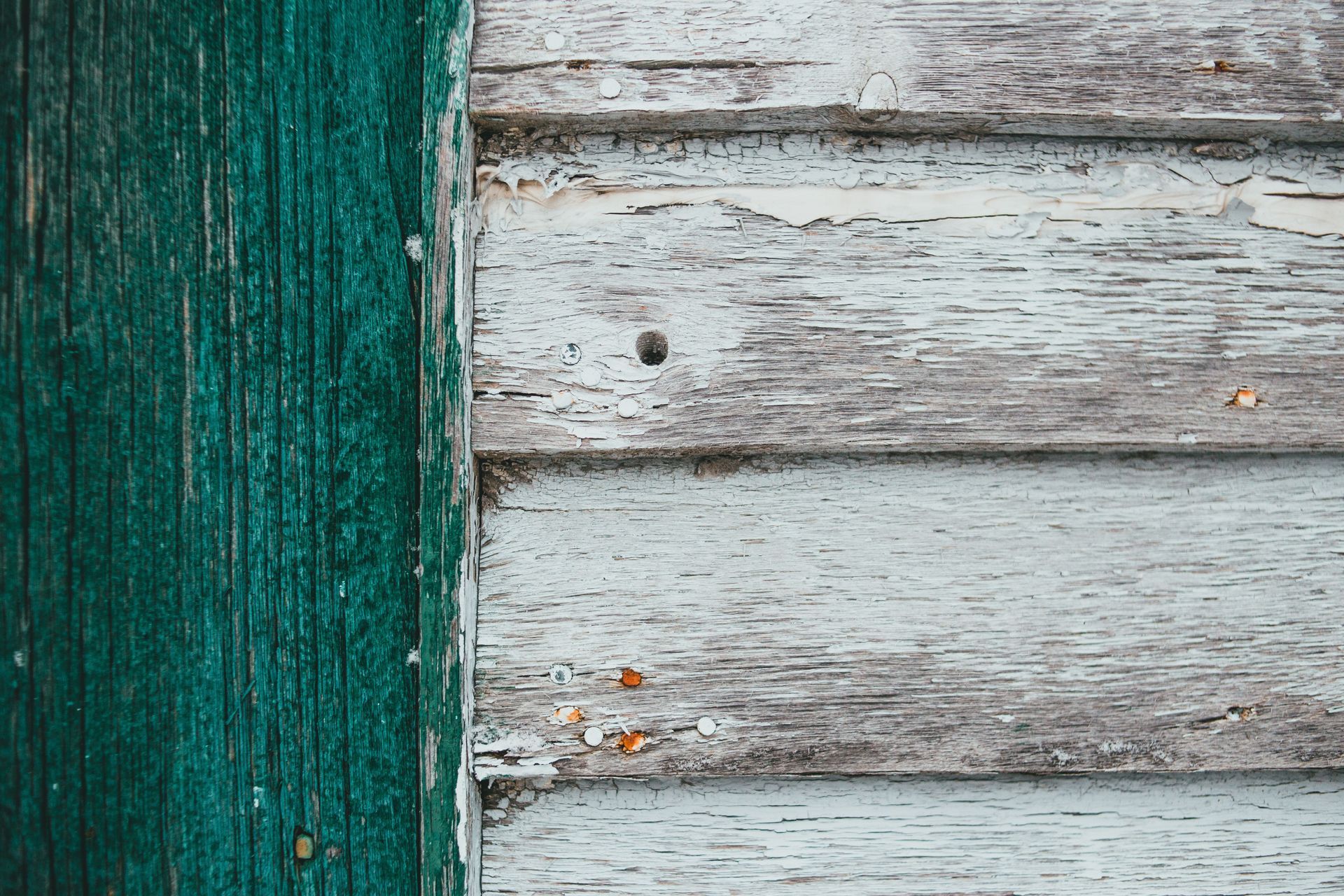
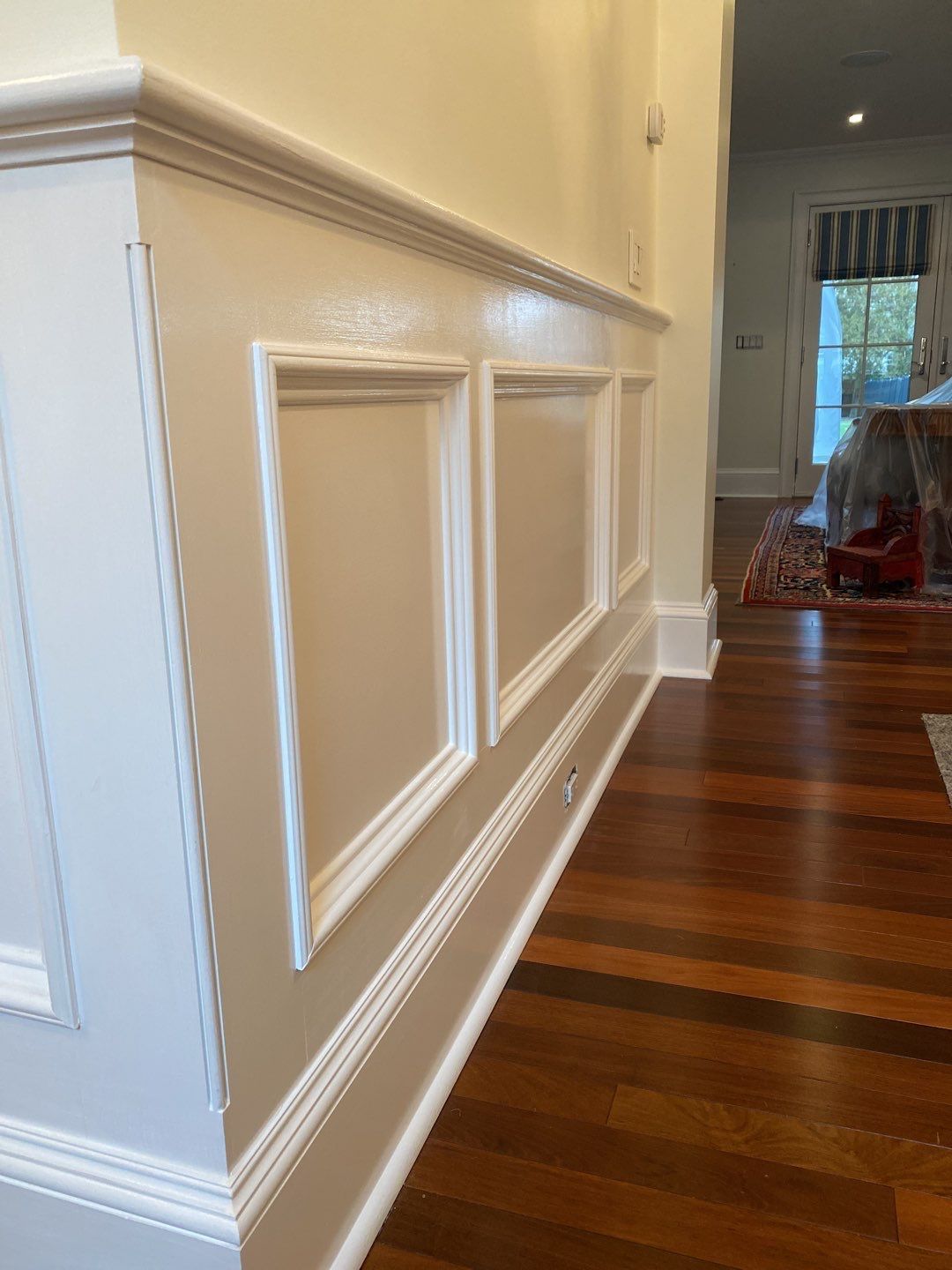
To start with the incredibly obvious: paint can change the color and finish of a wall, but it can't fix the surface underneath it. Small holes, dents, cracks, peeling paint, and damaged drywall can remain visible after the walls are painted. Depending on the sheen and lighting in the room, some imperfections may actually become more noticeable once fresh paint is applied. Not good. And that's exactly why surface preparation is such an important part of professional interior painting. Before the finish coats go on, painters generally want the walls to be clean, dry, smooth, and stable enough to accept the new coating.
In other words, the goal isn't just to make the wall a different color. It's to make the finished wall actually look good.
What Wall Repairs Do Painters Typically Handle?
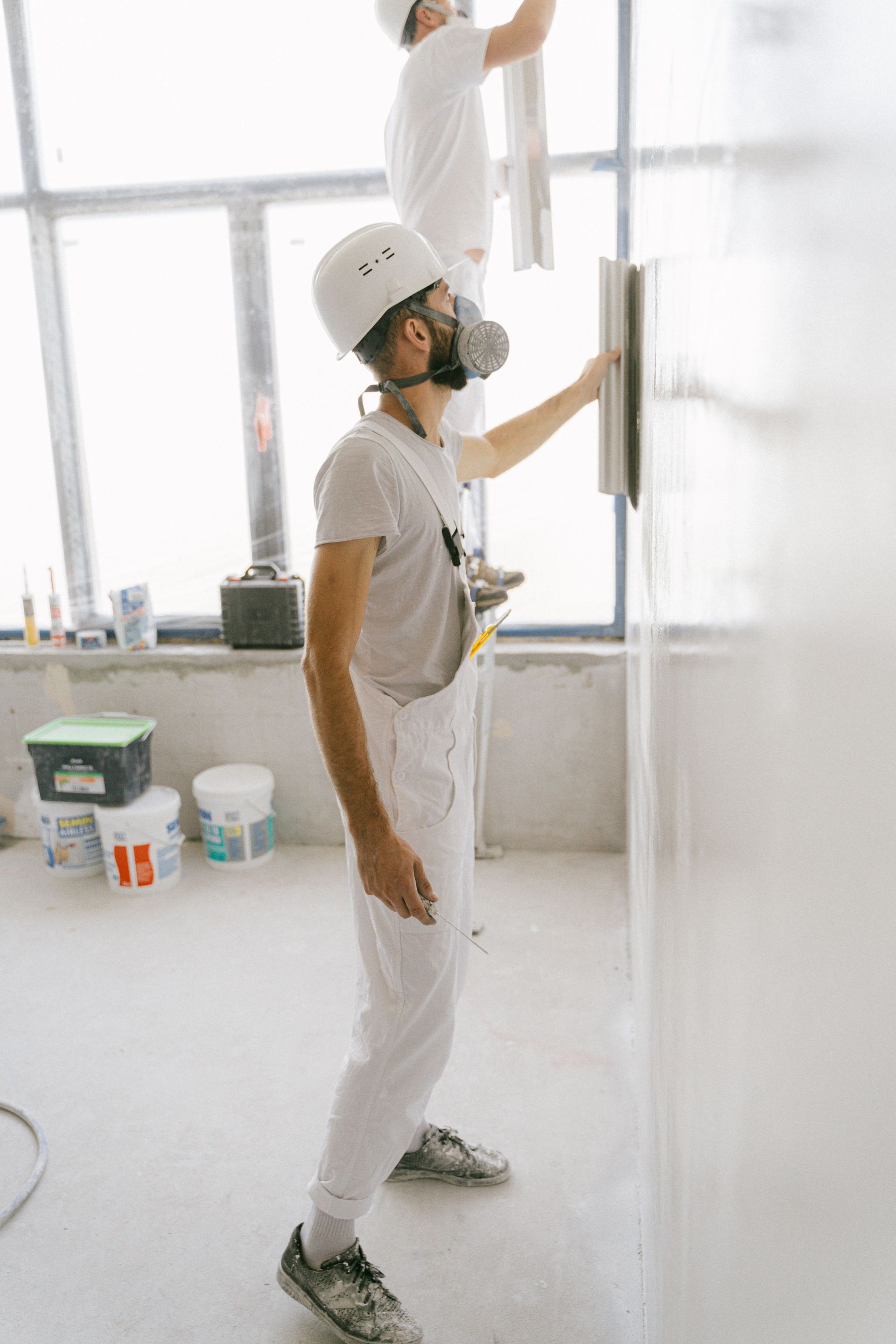
The answer depends on the painting contractor and the scope of the project, but professional painters can often take care of common cosmetic wall damage during preparation. That may include:
- Filling nail and screw holes
- Patching small drywall holes
- Repairing minor dents and dings
- Filling small cracks
- Sanding rough patches
- Scraping loose or peeling paint
- Repairing minor drywall tape or joint compound issues
These are the kinds of imperfections that tend to accumulate naturally over the years. Maybe you've moved pictures. Maybe a doorknob has been slowly working on its own drywall renovation project. Maybe the kids had something to do with it. We don't need names. Whatever the cause, minor repairs are often a normal part of preparing an interior for paint.
Does Wall Repair Automatically Come With Interior Painting?
Not necessarily. This is why the painting estimate is important. Some contractors include a certain amount of basic patching and preparation in their standard scope. Others price repairs separately, particularly when they require significant labor or materials.
There's also a big difference between filling six nail holes and repairing six sections of damaged drywall. Before approving an estimate, look at how surface preparation is described. If you already know about damaged areas, point them out during the estimate so they can be evaluated and included in the scope when appropriate. It's much easier to discuss that softball-sized hole before the project begins than to pretend everyone is equally surprised when the furniture gets moved.
If the Damage Is More Extensive
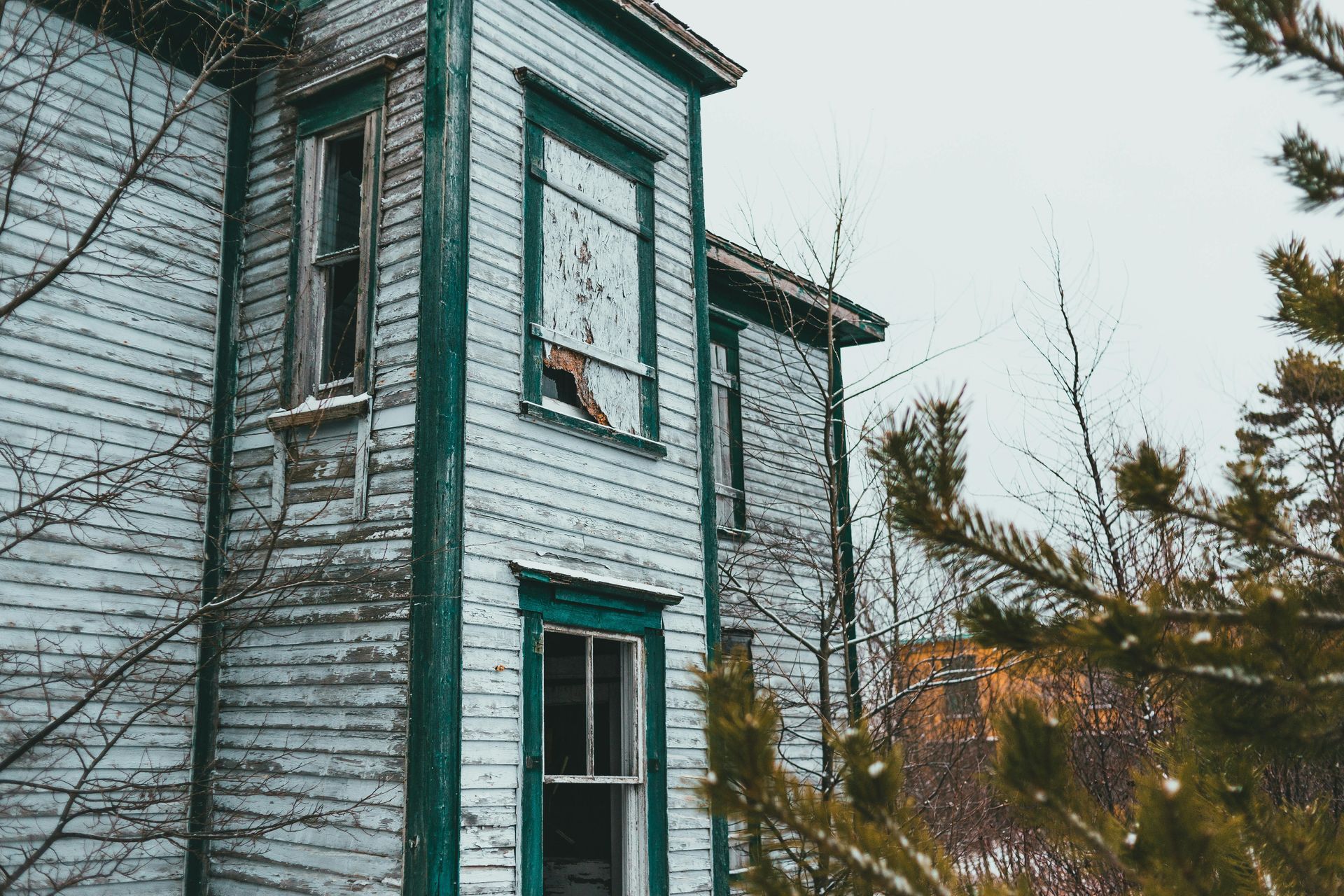
Painters aren't always the right professionals for every wall problem. Larger holes, widespread drywall damage, significant water damage, recurring cracks, or walls that are soft or deteriorating may require more extensive repair before painting begins. And sometimes the visible damage is only a symptom.
Water Damage
Stains, bubbling paint, soft drywall, or recurring discoloration can indicate an active moisture problem. The leak or moisture source should be identified and corrected before the wall is repaired and painted.
Large or Recurring Cracks
Small cosmetic cracks can often be repaired relatively easily. Large cracks or cracks that repeatedly return could indicate movement or another underlying issue that deserves a closer look.
Extensive Drywall Damage
If large sections of drywall need to be removed or replaced, the project may go beyond routine painting preparation. Depending on the contractor, drywall replacement may be offered as an additional service or handled by another qualified professional.
The basic rule is pretty simple: fix the underlying problem first, then make it pretty.
What Should Rhode Island Homeowners Ask Before the Project?
Before your interior painting project begins, make sure you understand how wall repairs are being handled. If you have obvious cracks, holes, water stains, or other damage, bring them up during the estimate. Ask whether the repairs are included, whether they'll cost extra, and whether anything needs to be addressed by another professional first.
A little clarification beforehand can prevent a lot of confusion later.
The Takeaway?
Yes, professional painters commonly repair walls before painting, particularly when the damage involves normal nail holes, dents, cracks, and minor drywall imperfections. But there's a limit to what should be considered routine paint preparation. Larger damage, moisture problems, or potentially structural issues may require additional repairs before painting can begin.
The best approach is simple: identify the damage, understand what's included in the estimate, make the necessary repairs, and then paint. Your walls will thank you. Quietly, because they're walls.
ELCO Painting
At ELCO Painting, proper preparation is an important part of a quality interior paint job. If you're planning to repaint your Rhode Island home, we can help evaluate your walls and explain what preparation or repairs may be needed before painting begins. If you have questions about your walls, your project, or what to expect before the first coat goes on, get in touch with our team. We’re here to help.
Frequently Asked Questions
Q: Do painters fill nail holes before painting?
A: Typically, yes. Filling normal nail and screw holes is commonly part of basic wall preparation, although you should confirm exactly what's included in your estimate.
Q: Can painters repair drywall holes?
A: Many painters can repair small drywall holes and minor damage. Larger repairs or drywall replacement may require additional work and may be priced separately.
Q: Should water-damaged drywall be painted over?
A: No. The source of the moisture should be corrected first. Damaged drywall may also need to be repaired or replaced before the area is primed and painted.
Q: Why can I still see a drywall patch after painting?
A: Uneven sanding, differences in texture, improper priming, or higher-sheen paint can make repaired areas more noticeable.
Q: Are wall repairs included in every painting estimate?
A: Not always. Basic preparation may be included, while larger or more time-consuming repairs may cost extra. Review the scope of work or ask your painter before the project begins.