Restaurant and Bar Painting in Rhode Island: How a Quick Quarterly Inspection Can Pay Off
Last Updated: July 20, 2026
Restaurants are tough environments. And not just because grease fires and dine-in dashers are part of the inevitable. We’re talking about the paint that holds the place together. Between the moisture, cleaning chemicals, grease, heavy traffic, and all the other things that make up an excellent restaurant, it's safe to say that the surfaces there take a beating. The good news? It doesn't have to look like it. A 20 to 30 minute inspection every quarter is all it takes to catch small paint and coating issues before they become expensive repairs. It can also help you avoid health inspection headaches and customer complaints.
Why Restaurants Are Hard on Paint
Like we said (and as you know) commercial kitchens create one of the harshest environments a painted surface can face.
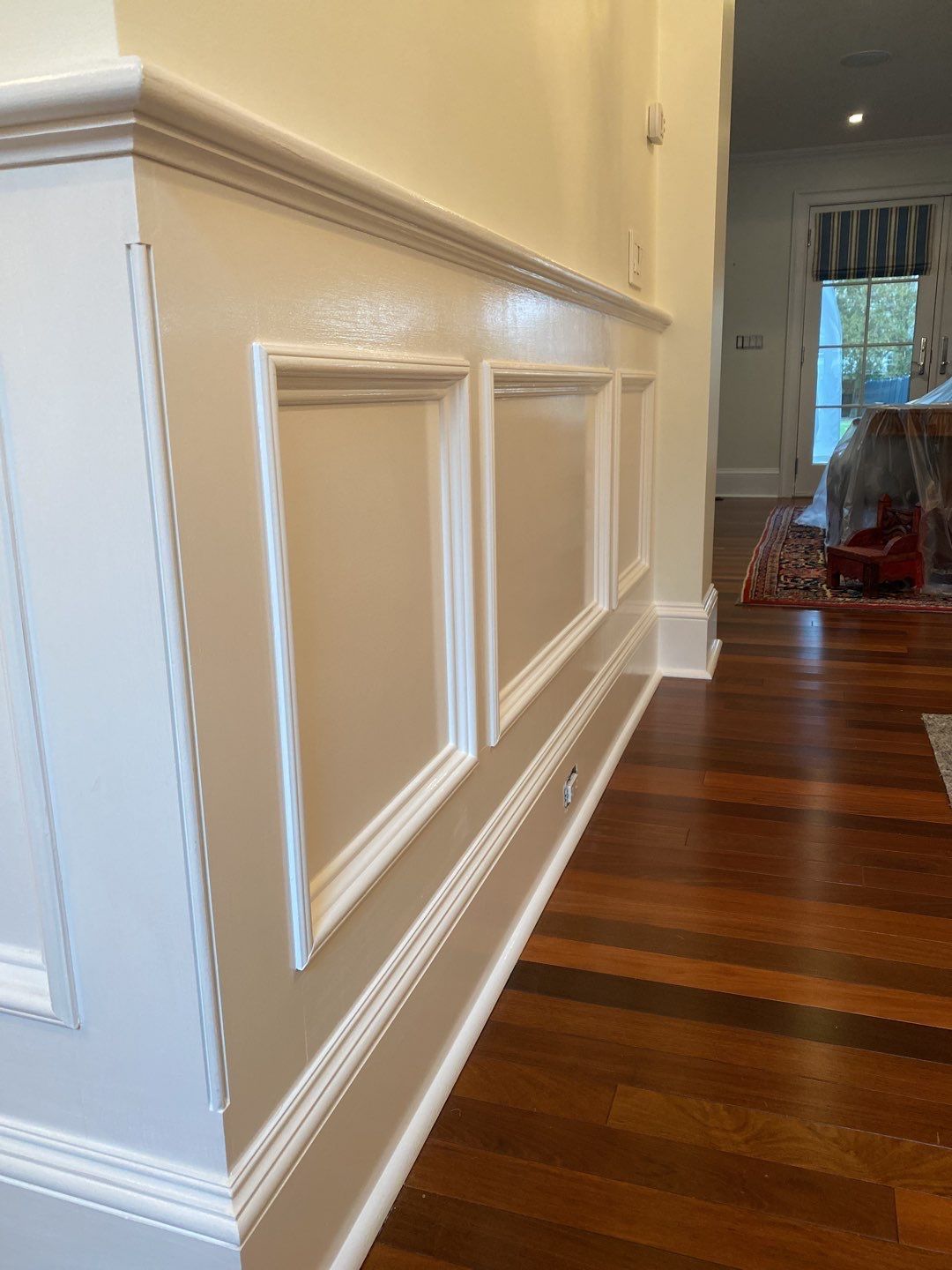
Steam raises humidity. Grease settles on walls and ceilings. Constant cleaning exposes surfaces to detergents and disinfectants. Add in temperature swings from ovens, freezers, and HVAC systems, and coatings are constantly expanding, contracting, and working overtime. Dining areas also have their own challenges. Chairs scrape walls, servers bump corners with trays, booths get kicked, and thousands of customers move through the building every year.
Four Areas Worth Checking Every Quarter
The inspection doesn't have to be complicated. Walk the building with fresh eyes and focus on a few common trouble spots.
1. Entryways
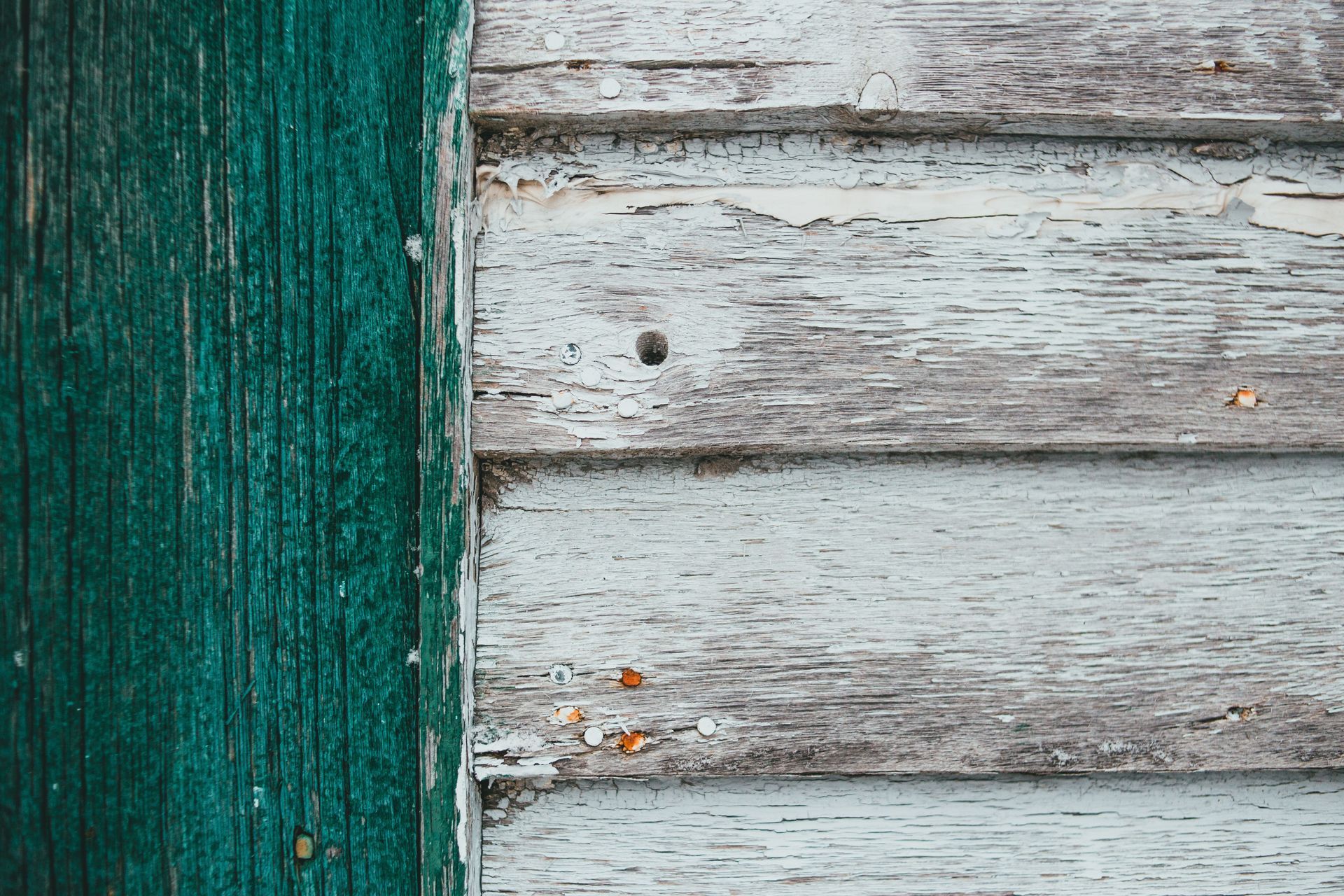
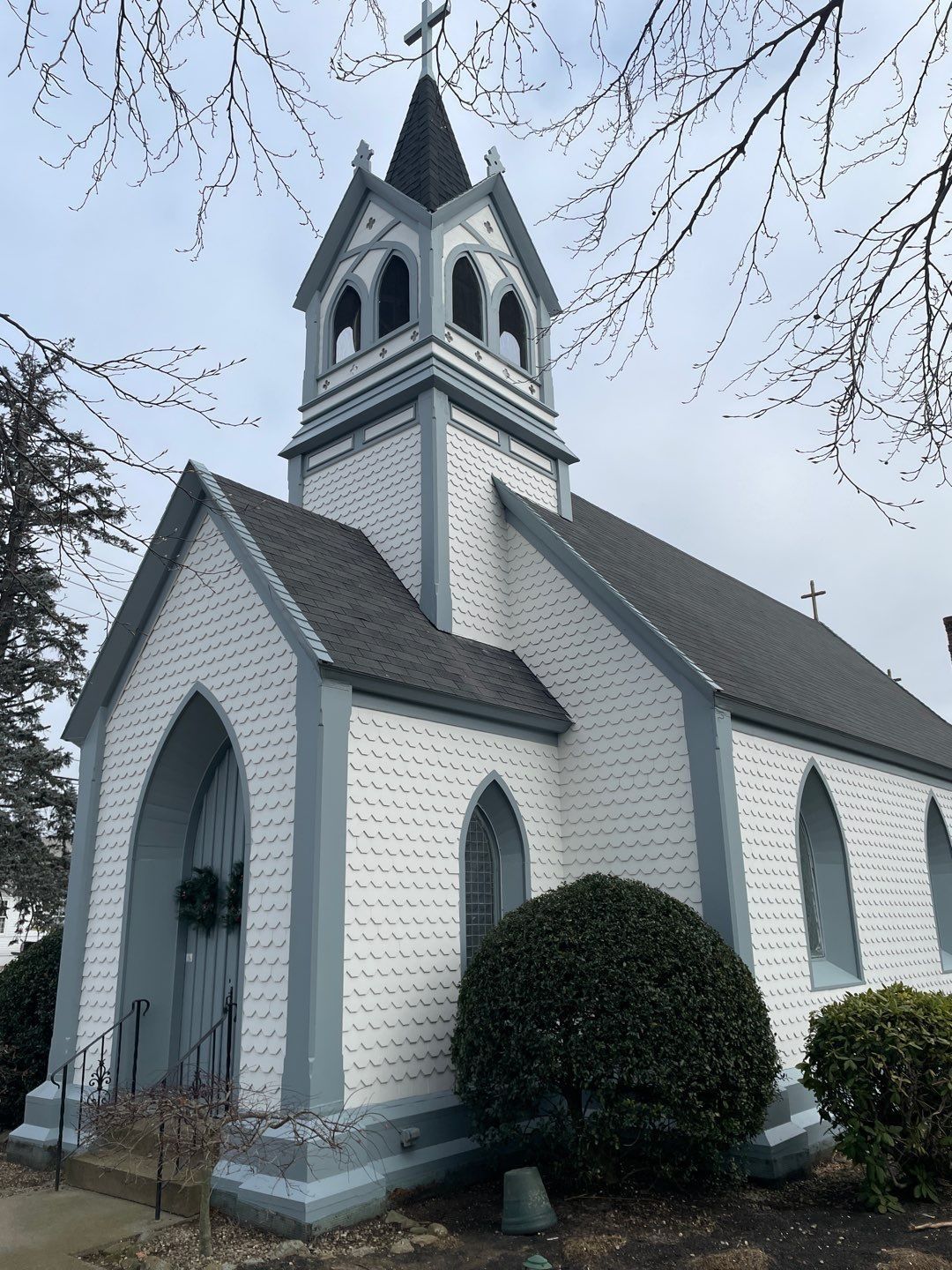
Your entryways create the first impression, so inspect them for chipped trim, faded doors, peeling paint, rust, and damaged concrete coatings. These surfaces take constant abuse from weather and foot traffic, making them some of the first to show wear.
2. Restrooms
Restrooms deserve regular attention because customers always notice them. Check for bubbling paint, mildew, water stains, and discoloration around sinks, baseboards, ceilings, and exhaust fans. Moisture problems often appear here first.
3. Kitchen and Prep Areas
Your kitchen and prep areas face constant heat, steam, grease, and cleaning. Look for peeling coatings, cracking caulk, and worn finishes near cooking equipment and dishwashing stations. Small issues can quickly become larger repairs if left alone.
4. Exterior Surfaces
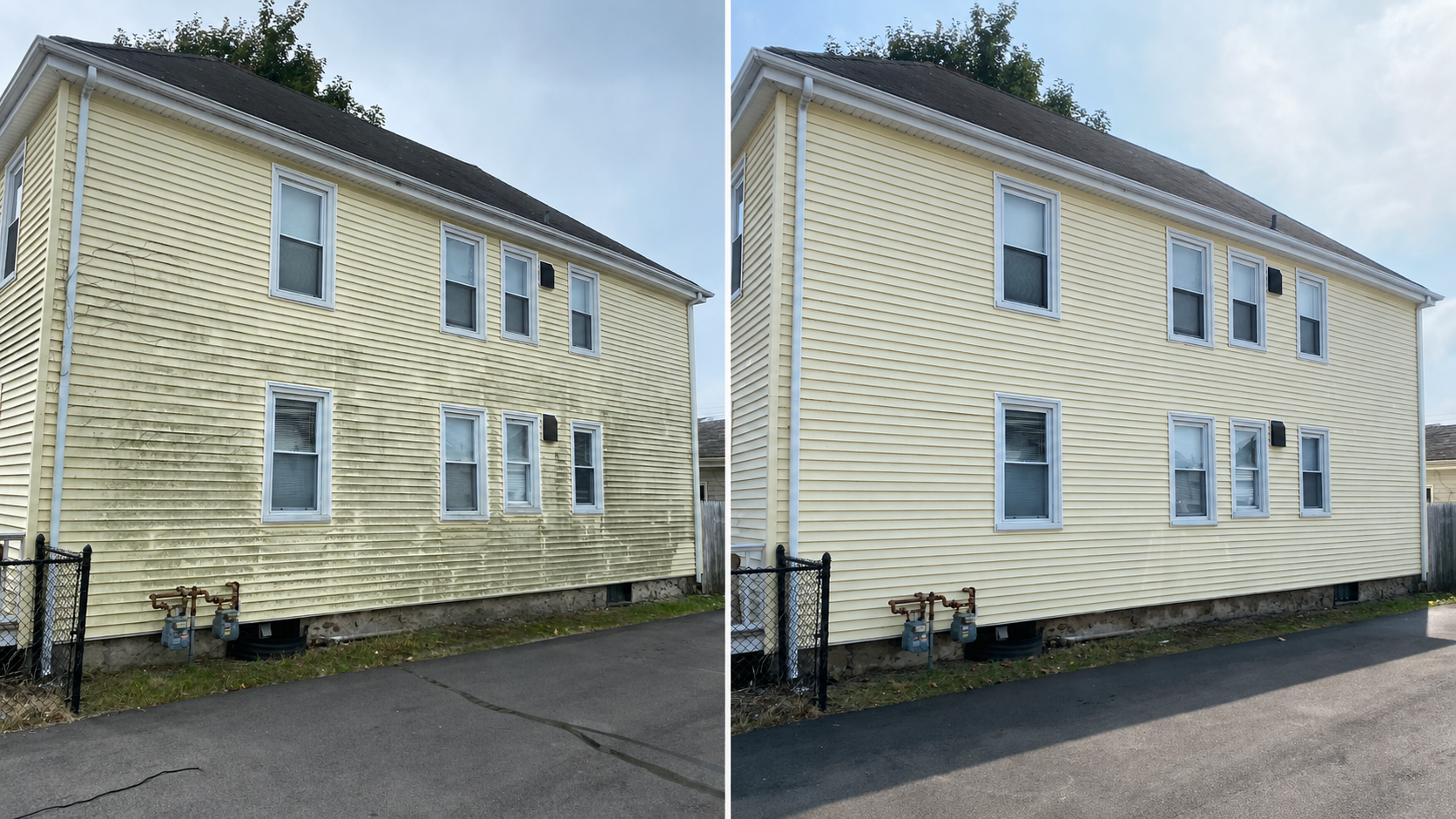
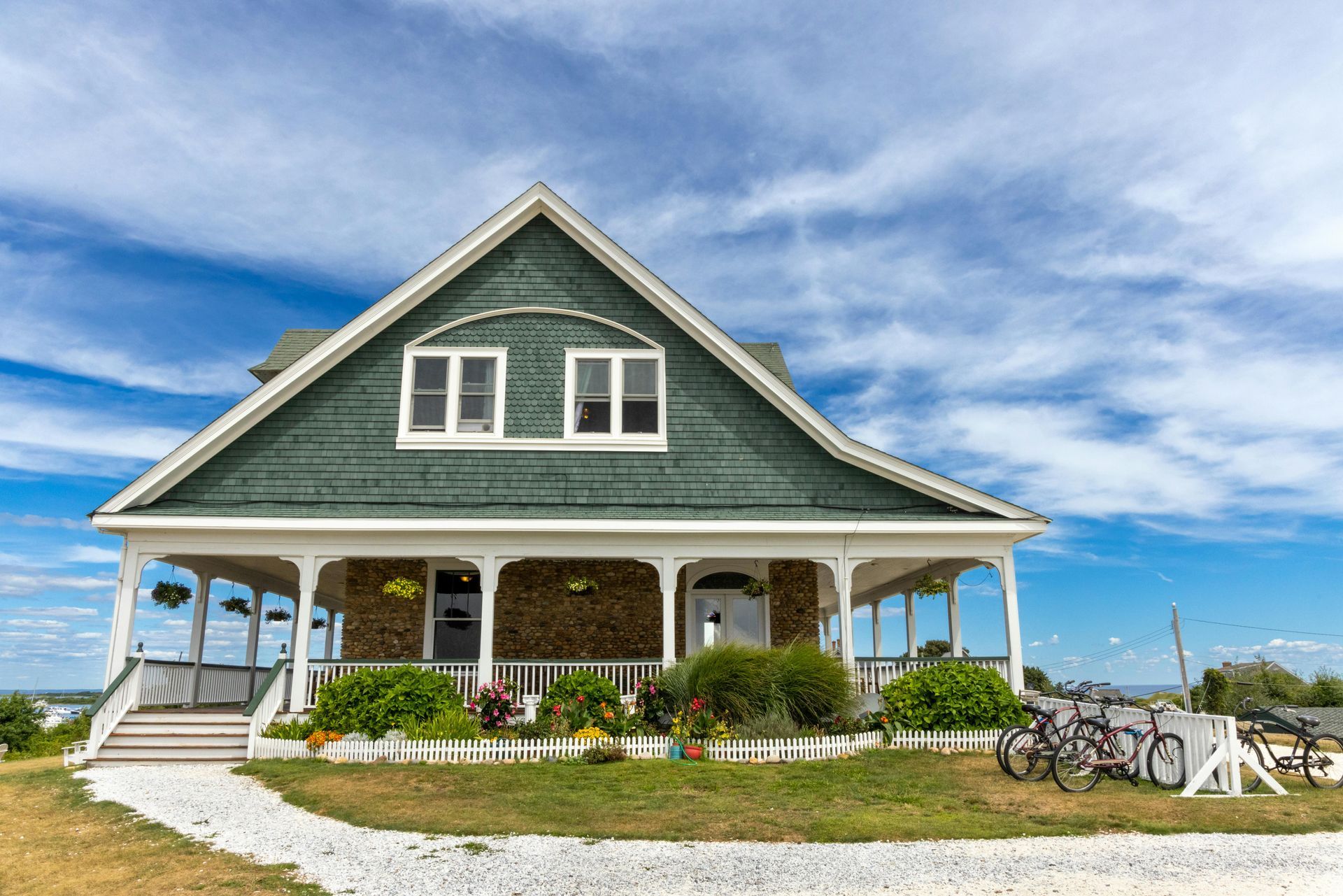
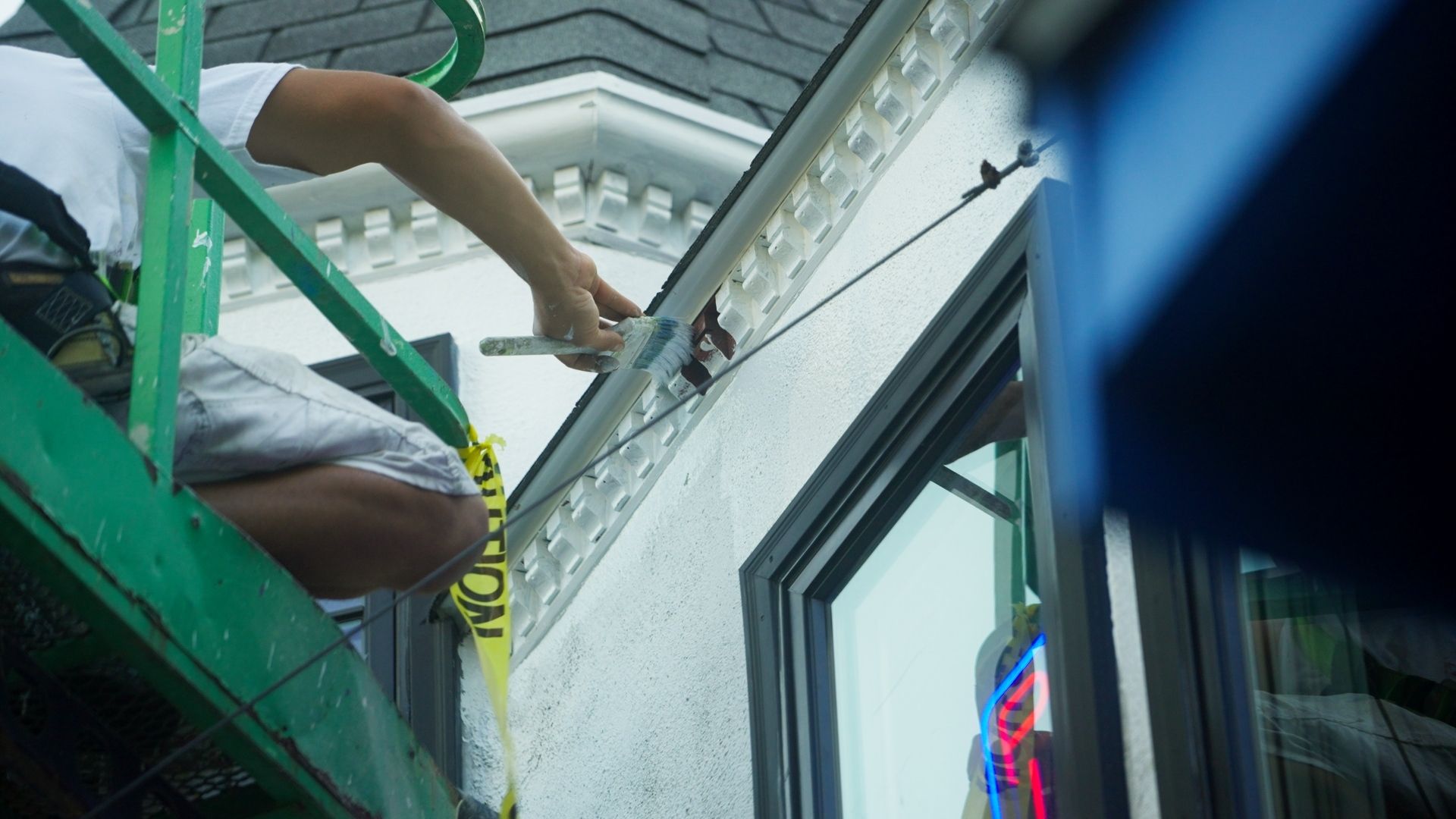
Your exterior surfaces battle Rhode Island's weather year-round. Inspect siding, trim, doors, outdoor dining areas, and service entrances for peeling paint, fading, or rust. Catching problems early is far easier than repainting an entire building.
Small Repairs Usually Cost Less Than Big Ones
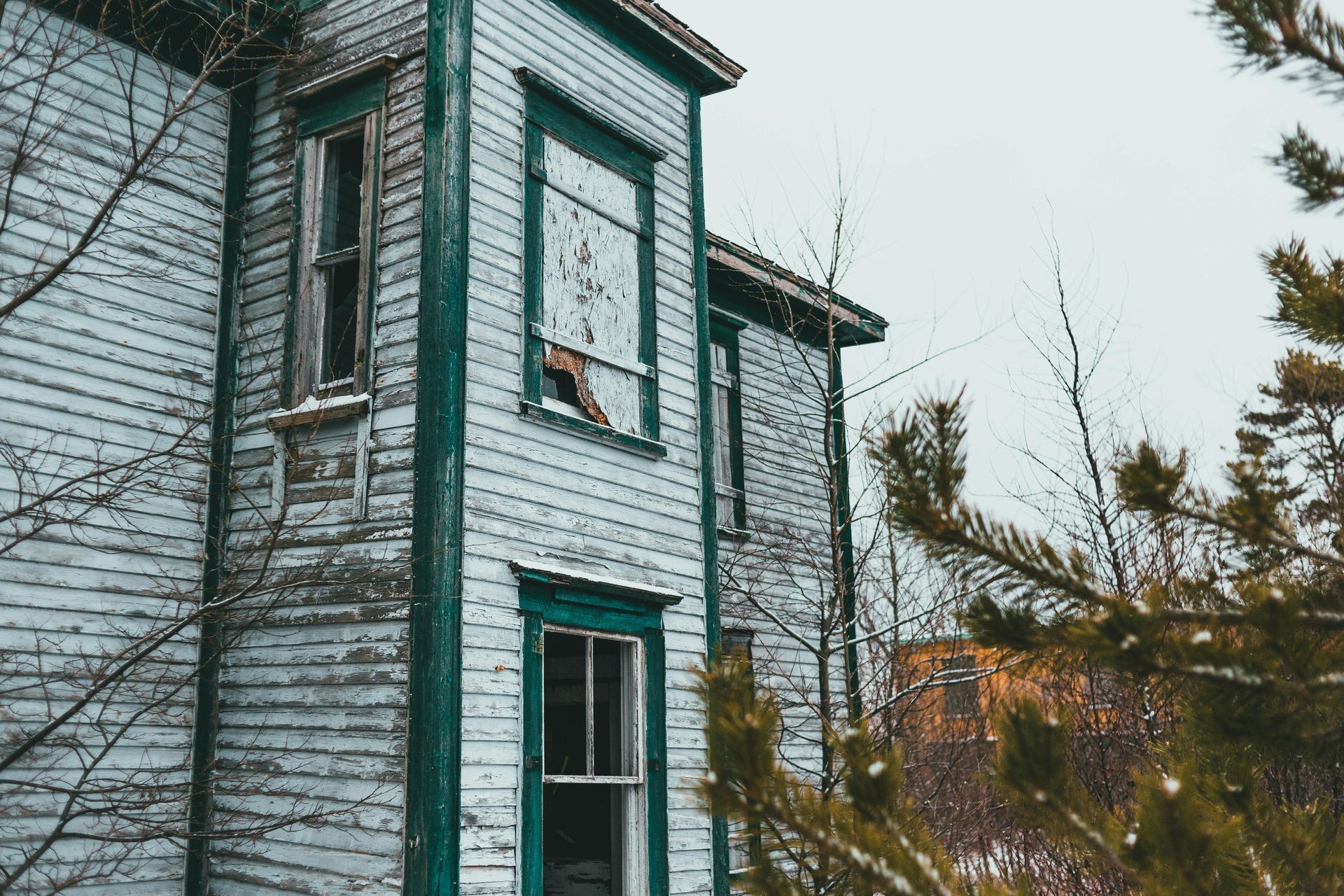
Shocking, right? But in all seriousness, preventive maintenance is almost always cheaper than emergency repairs. A few square feet of peeling paint may simply need minor surface preparation and touch-up work. Ignore it for another year, though, and moisture can work its way into wood, drywall, or masonry. And now you're discussing repairs instead of a simple repaint.
The same thinking applies to corrosion on metal railings, steel doors, and exterior equipment. Surface rust is much easier to address before it becomes structural damage.
Inspections Can Help During Health and Property Reviews
Health inspectors aren't grading your paint color choices. But they do pay attention to cleanable, well-maintained surfaces. Peeling paint, damaged walls, moisture issues, or deteriorated finishes can raise questions about sanitation and facility maintenance depending on where they're located.
Insurance representatives, landlords, franchise inspectors, and property managers also notice deferred maintenance during routine visits. Keeping finishes in good condition helps demonstrate that the entire facility is being cared for properly.
Create a Simple Quarterly Checklist
Every three months, spend about half an hour walking your property and ask yourself:
- Has any paint started peeling or blistering?
- Do I see water stains anywhere?
- Are corners and doors becoming heavily worn?
- Is there rust on metal surfaces?
- Are exterior finishes fading faster than expected?
- Does anything look noticeably worse than it did last season?
Take a few photos with your phone. Jot down some notes. Over time, those records become valuable info that makes it much easier to spot gradual changes before they become expensive surprises.
Elco Painting
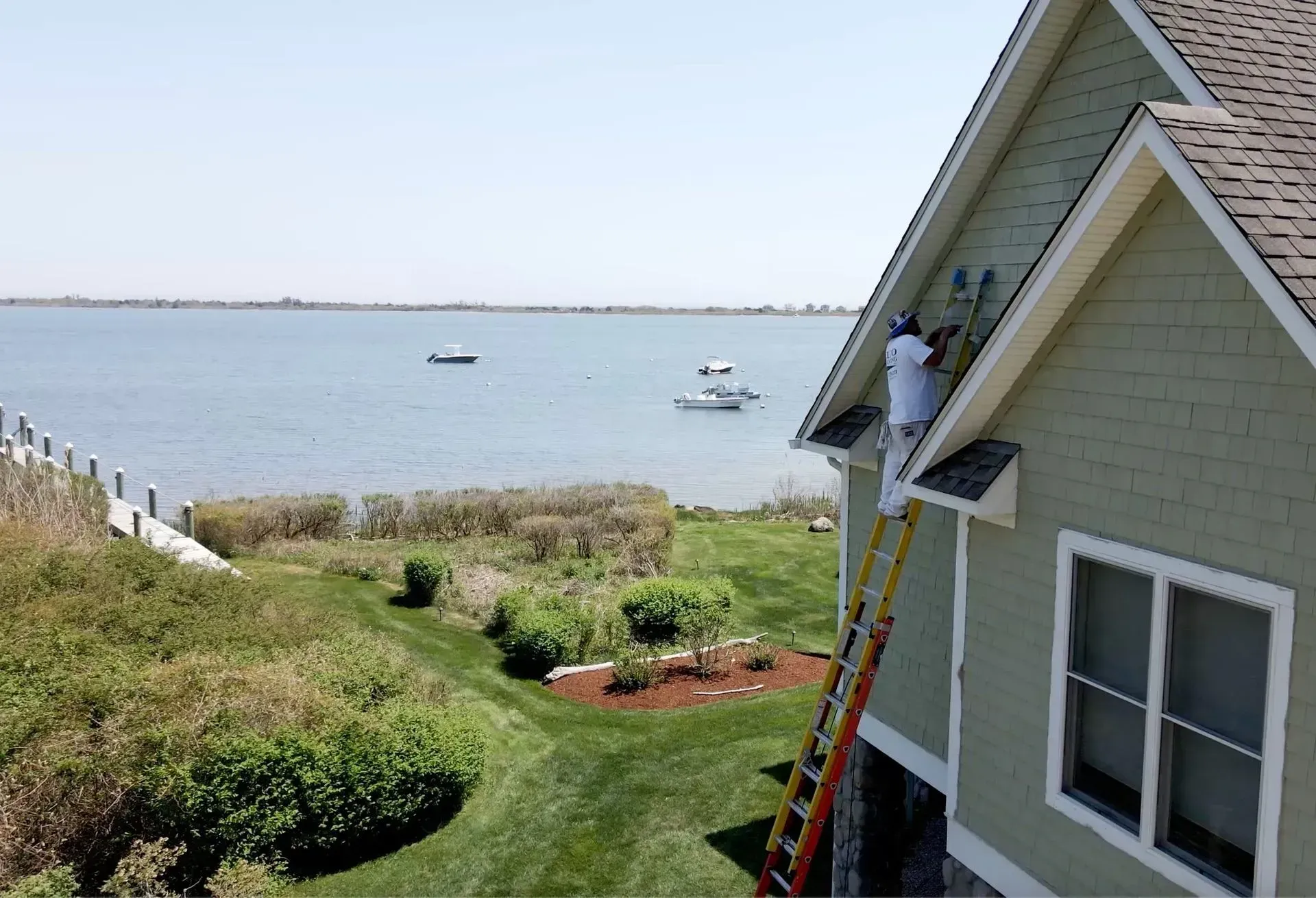
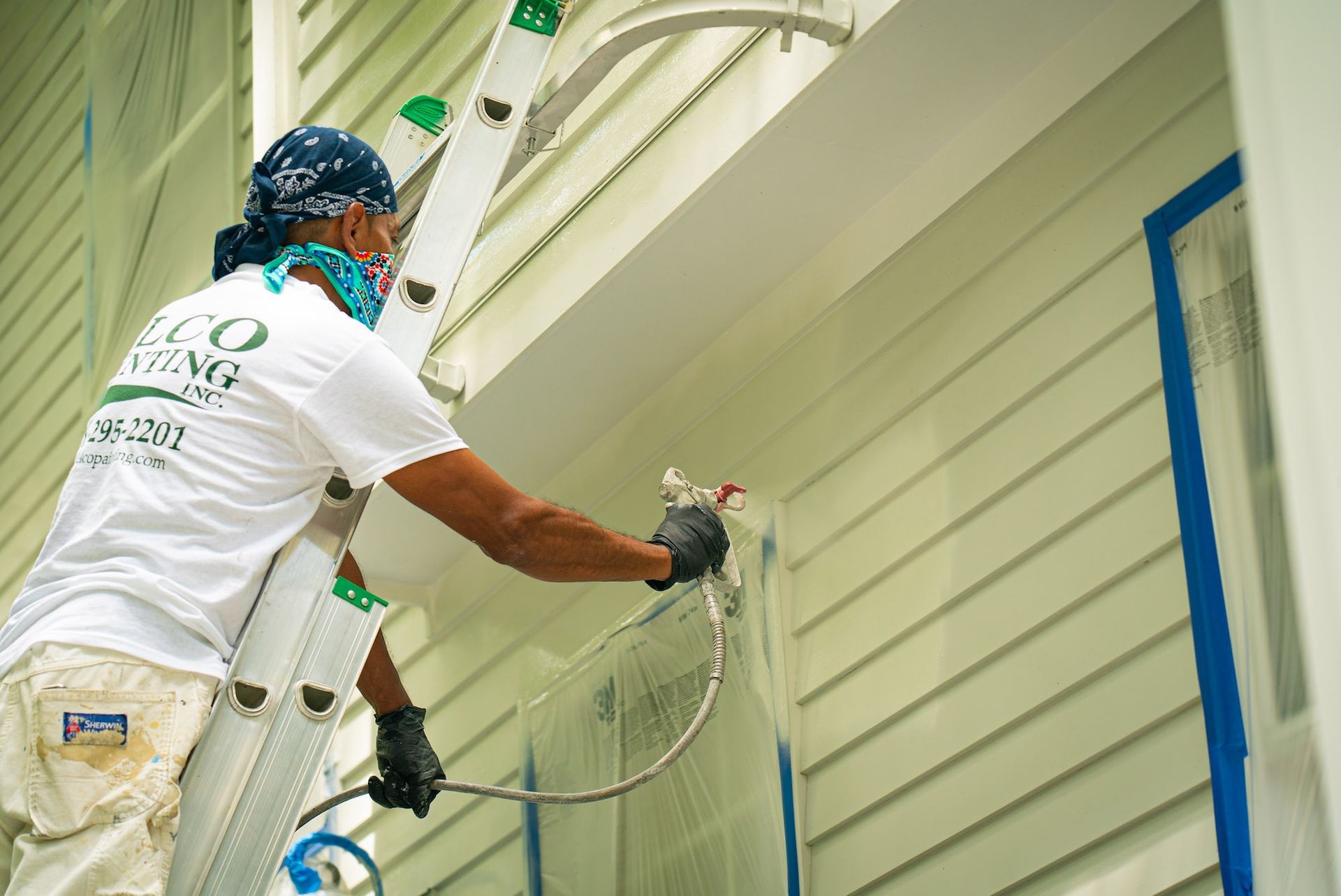
At Elco Painting, we've helped Rhode Island businesses protect and maintain their properties for decades. Whether you need a few touch-ups, a maintenance plan, or it's simply time for a fresh coat, we're always happy to provide honest guidance. Sometimes, a quick inspection today can save you a much bigger project tomorrow.
Frequently Asked Questions
Q: How often should a restaurant be professionally repainted?
A: It depends on the space. High-traffic interiors often benefit from touch-ups every year or two, while complete repainting may be needed every 5 to 7 years. Kitchens and heavily used areas sometimes require more frequent maintenance.
Q: What are the first signs that paint is failing?
A: Look for peeling, bubbling, cracking, fading, stains, mildew, rust bleeding through paint, or areas that are difficult to keep clean.
Q: Does Rhode Island's coastal climate affect commercial paint?
A: Yes. Salt air, humidity, freeze-thaw cycles, and strong UV exposure can all shorten the lifespan of exterior coatings if they're not properly maintained.
Q: Should minor paint damage be repaired right away?
A: Usually, yes. Small repairs are generally faster and less expensive than waiting until moisture or corrosion causes larger problems.
Q: Can restaurants stay open during painting projects?
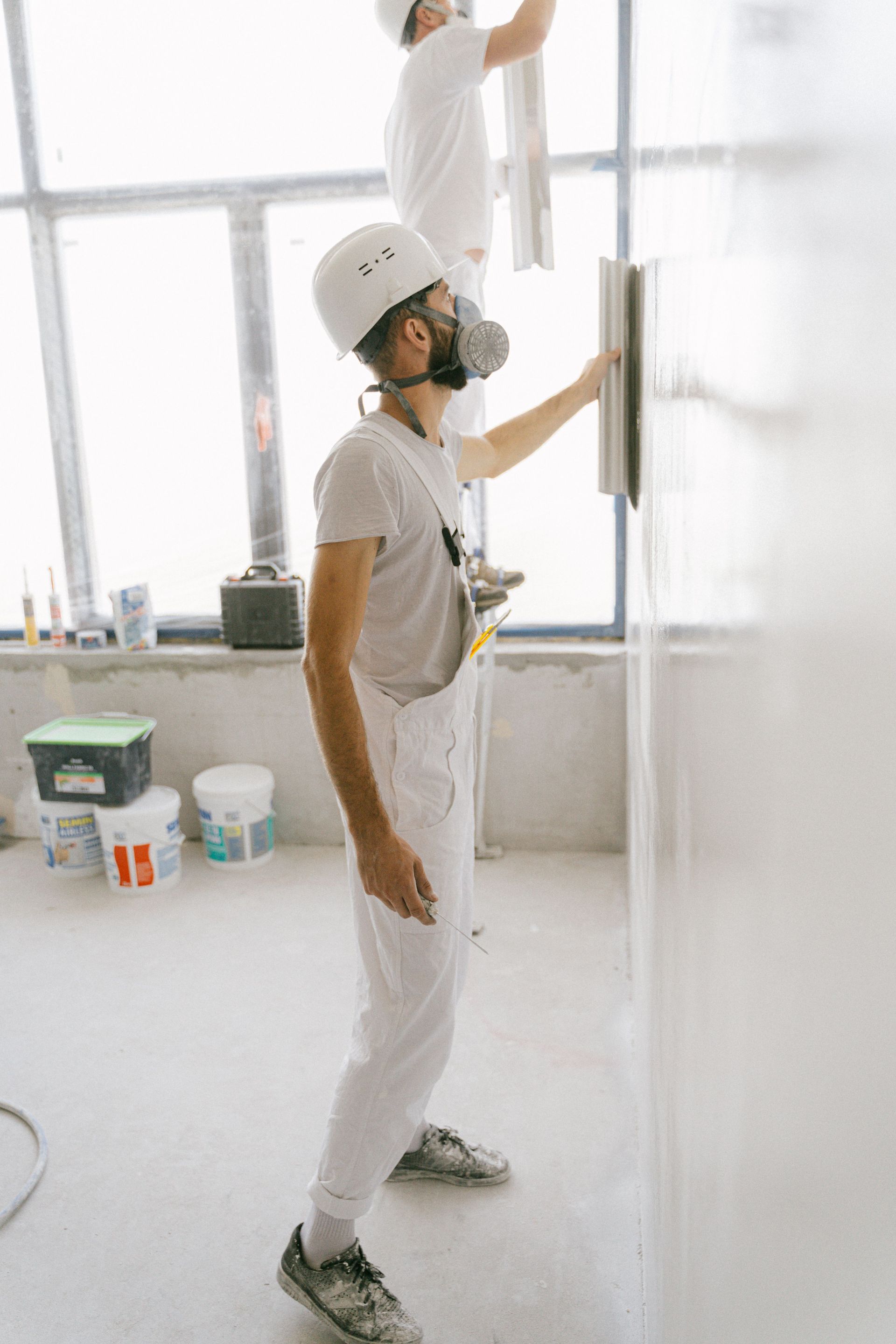
A: In many cases, yes. Professional commercial painters can often schedule work during off-hours, overnight, or in phases to minimize disruption to daily operations.