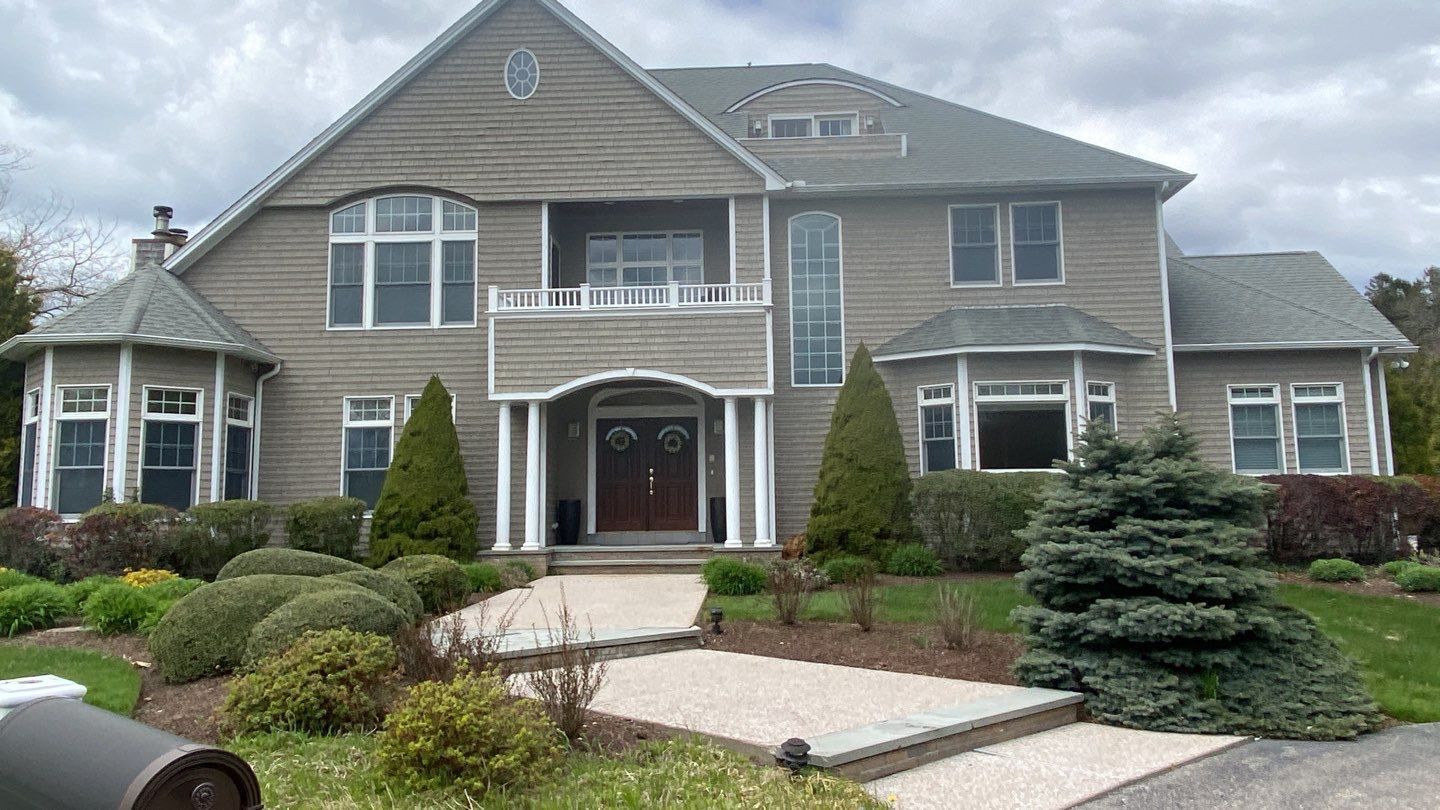

What Happens If Painters Find Rotten Wood on Your Rhode Island Home?
Last Updated: August 30, 2026
Ideally, the painting stops in that area until the extent of the damage can be determined. Painting directly over rotten wood won't fix the problem, and it can actually make the issue harder to spot later. Depending on how much damage is found, the wood may need to be repaired or replaced before the surface is properly prepared, primed, and painted. In other words, rotten wood isn't necessarily a disaster. But it is something you want to deal with before opening the paint can.
Let's break down what typically happens.
First, Why Is Rotten Wood So Common in Rhode Island?
Wood rot needs moisture, and Rhode Island has plenty of moisture to give. Rain, snow, coastal moisture, humidity, and freeze-thaw cycles can all put exterior wood surfaces through a lot over the years. Once water finds its way behind failed paint, cracked caulking, or an unsealed joint, the wood may stay damp long enough for decay to begin. Some areas are particularly vulnerable, including:
- Window and door trim
- Fascia boards
- Soffits
- Wood siding
- Porch columns and railings
- Areas around gutters and downspouts
- Trim close to roofs, decks, or other horizontal surfaces
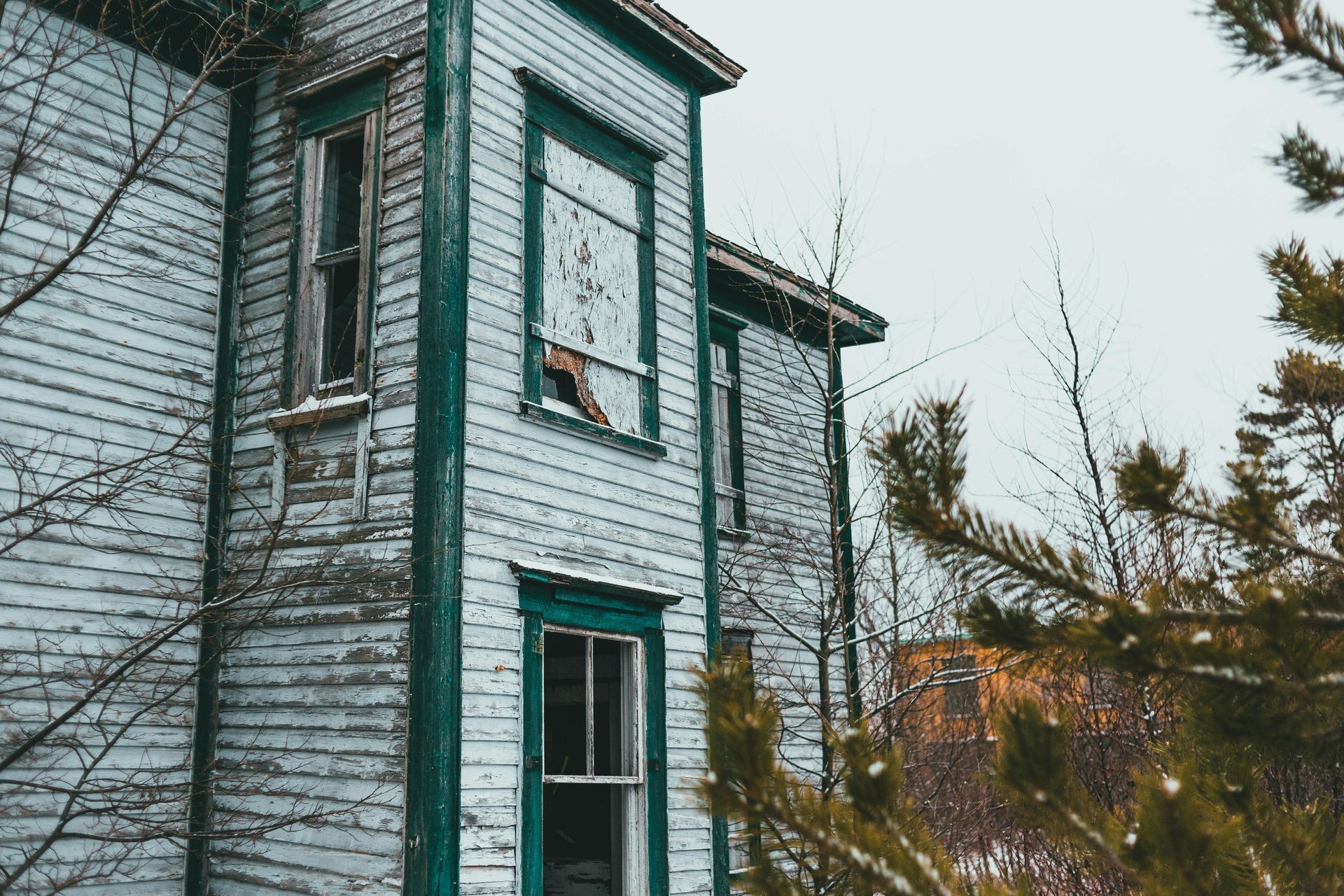
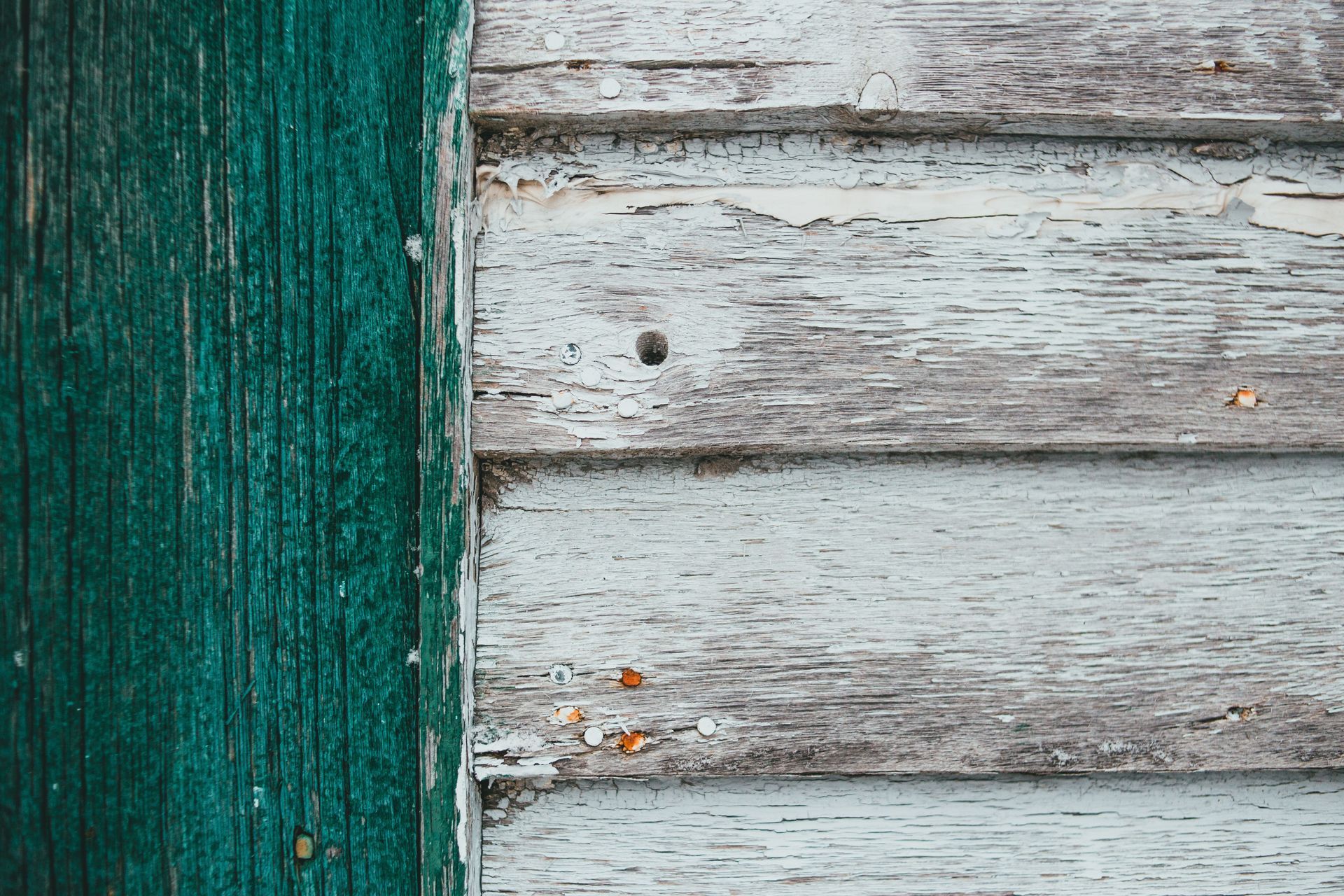
Sometimes the damage is obvious. Other times, a board can look relatively normal from several feet away but feel soft once a painter starts scraping or sanding it. That's one reason exterior painting projects occasionally come with surprises. Prep work has a way of finding things your binoculars didn't.
Can Painters Just Paint Over Rotten Wood?
Technically, you can put paint over anything. Whether it will stay there is another question. Rotten wood has already begun to deteriorate. It may be soft, crumbly, cracked, or unable to hold paint properly. Not to mention, paint can lock in moisture that otherwise may have had a chance to evaporate. Even if the freshly painted surface looks good initially, the underlying deterioration will continue. Eventually, the paint may crack, peel, bubble, or fail along with the wood underneath it. That's why a professional painter will typically address the damaged area rather than simply covering it and hoping for the best.
What Happens When Rotten Wood Is Discovered?
The first step is usually determining how extensive the problem is. A small area of deterioration may be relatively straightforward to address. In other cases, removing loose material can reveal that the damage extends farther than originally expected. The important thing is figuring out where the sound wood begins.
Depending on the situation, a painter may be able to complete minor repairs as part of the project. More significant deterioration could require replacing boards or trim. If the rot appears to involve structural components or points to a larger moisture problem, another contractor may need to get involved before painting continues. It goes without saying that a reputable contractor is a must here, since you may not be able to know for yourself how bad the situation actually is.
Does Rotten Wood Mean Your Painting Project Will Cost More?
Possibly.
If the repair wasn't visible during the original estimate, additional work may need to be added to the project once the damage is discovered. How much that affects the price depends largely on the extent of the rot and the type of repair required. Replacing one small piece of trim is very different from discovering widespread deterioration across several sections of the house.
This is also why it's helpful for a painting estimate to explain how unexpected repairs will be handled. Ideally, you shouldn't discover a mystery charge at the end of the project with no idea where it came from. If additional work is needed, the contractor should be able to explain what was found, what needs to be repaired, and how it will affect the scope and cost before moving forward.
Finding the Source of the Moisture Matters
Replacing rotten wood solves the immediate problem, but it's also important to figure out why the wood rotted in the first place. Otherwise, the repair could eventually end up right back where it started.
Failed Paint or Caulking
Cracked caulking, peeling paint, and exposed wood can allow moisture to work its way into the surface over time.
Gutters and Drainage
Overflowing gutters, poorly directed water, or areas that stay consistently wet can contribute to wood rot, especially around trim and fascia.
Leaks and Flashing Issues
Sometimes the problem goes beyond the painted surface. Roof leaks, damaged flashing, or water getting behind siding may need to be corrected before the area is repaired and painted.
The Takeaway?
Finding rotten wood during an exterior painting project isn't unusual, especially on older Rhode Island homes that have spent years dealing with New England weather.
Just don’t cover it up.
Damaged wood should be evaluated, repaired or replaced as necessary, and checked for the source of the moisture before painting continues. Taking care of those issues during preparation gives the new paint a better surface to adhere to and can help prevent a relatively small problem from becoming a much more expensive one later.
ELCO Painting
At ELCO Painting, exterior painting is about more than changing the color of your home. Proper preparation includes paying attention to the condition of the surfaces underneath the paint and addressing issues that could affect the finished project. If you're planning an exterior painting project for your Rhode Island home, we're always happy to help you understand what you're working with.
Frequently Asked Questions
Q: Can you paint over slightly rotten wood?
A: Generally, deteriorated wood should be addressed before painting. Paint doesn't restore damaged wood, and an unstable surface can cause the new coating to fail prematurely.
Q: How can I tell if exterior wood is rotten?
A: Common signs include soft or spongy wood, cracking, crumbling, discoloration, peeling paint, and areas that can easily be penetrated with a screwdriver or similar tool. Some rot, however, isn't obvious until preparation begins.
Q: Does all rotten wood need to be completely replaced?
A: Not necessarily. The appropriate repair depends on the location and extent of the damage. Minor deterioration may sometimes be repairable, while severely damaged or structurally important wood will often need replacement.
Q: Who repairs rotten wood before exterior painting?
A: Some painting contractors can handle minor carpentry repairs as part of their preparation work. More extensive or structural damage may require a carpenter or another qualified contractor.
Q: Will replacing rotten wood prevent it from happening again?
A: Only if the underlying cause is addressed as well. Proper priming and painting help protect exterior wood, but ongoing leaks, drainage problems, or other sources of moisture can cause new damage over time.