Can You Paint Over Wallpaper in an Older Rhode Island Home?
Last Updated: October 10, 2026
Yes, you actually can. But it's only a good idea some of the time. If the wallpaper is firmly attached, in good condition, and properly prepared, painting over it may be a reasonable option. But loose seams, bubbling, moisture damage, or multiple layers of old wallpaper can make painting a risky choice. And while living life on the edge is exciting, in many cases, removing the wallpaper altogether will provide a smoother, more durable finish.
If you own an older Rhode Island home, there's a good chance you've encountered wallpaper at some point. Probably contributing to a decidedly vintage mise-en-scène, complete with flowers, stripes, and questionable color choices. And it's not always obvious what to do when you don't want the look that wallpaper is offering. Whatever the situation, let's talk about when painting over wallpaper makes sense, when it doesn't, and what you should know before getting started.
Why Would You Paint Over Wallpaper Instead of Removing It?
Let's be honest. The biggest reason is convenience. Removing wallpaper can be time-consuming, especially when it’s been attached to a wall for decades. In older homes, wallpaper may have been installed directly over plaster, poorly primed drywall, or previous layers of wallpaper. Removing it can sometimes damage the surface underneath, creating additional repairs before painting can begin. Painting over wallpaper may save time and reduce the risk of disturbing an otherwise stable wall surface. But there's a catch. The wallpaper itself becomes part of the foundation for your new paint job. If that foundation isn't secure, the paint won't magically hold everything together.
When Is It Okay to Paint Over Wallpaper?
Not all wallpaper needs to be removed before painting. In certain situations, leaving it in place may actually be the more practical approach.
The Wallpaper Is Firmly Attached
If the wallpaper is securely bonded to the wall, with no peeling edges, loose seams, or bubbles, it may provide a stable enough surface for painting.
The Surface Is Smooth
Wallpaper with heavy textures, raised patterns, or embossed designs may still show through after painting. Smooth wallpaper generally offers a better starting point.
There Are No Moisture Problems
Wallpaper that has been exposed to leaks, excessive humidity, or water damage should be evaluated carefully. Painting over moisture-related problems can conceal damage without addressing the cause. Even when these conditions are met, the wallpaper material and adhesive need to be compatible with the proposed preparation and coating system.
When Should Wallpaper Be Removed First?
Sometimes removal is simply the better option, especially when the existing wallpaper is already showing signs of failure.
Watch for:
- Peeling edges or separating seams
- Bubbles or loose sections
- Water stains or suspected moisture damage
- Multiple layers of wallpaper
- Heavy textures that would remain visible
- Wallpaper that is already deteriorating
These issues can become more noticeable after painting, particularly if moisture from the coating affects the wallpaper adhesive. If large sections are already coming loose, painting over them is unlikely to produce a lasting result.
How Do Professional Painters Prepare Wallpaper for Painting?
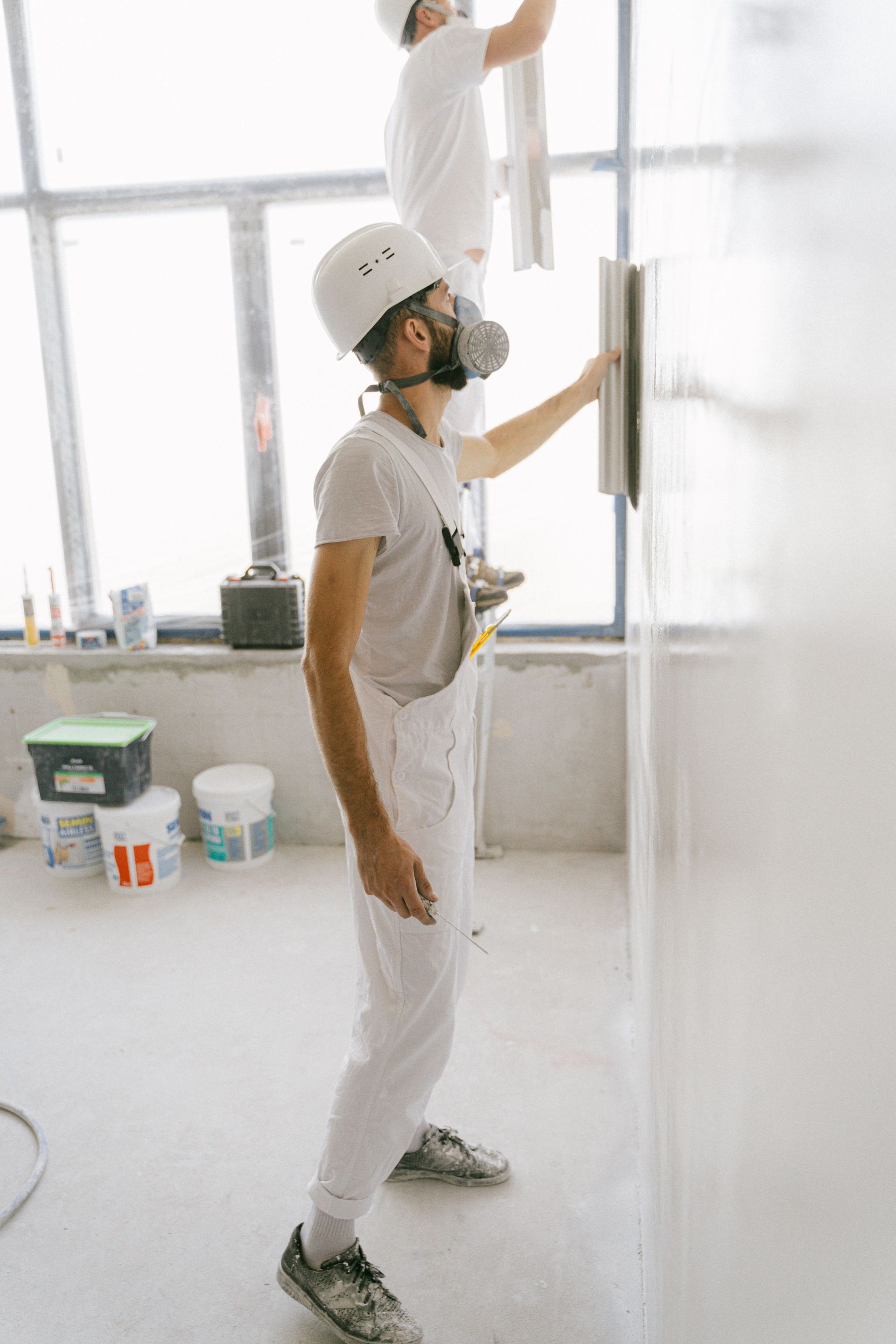
Preparation is especially important when wallpaper is involved. Applying standard wall paint directly over wallpaper without evaluating the surface can lead to… problems. A professional painter will typically assess the wallpaper and determine whether painting is appropriate.
Repair Loose Seams and Imperfections
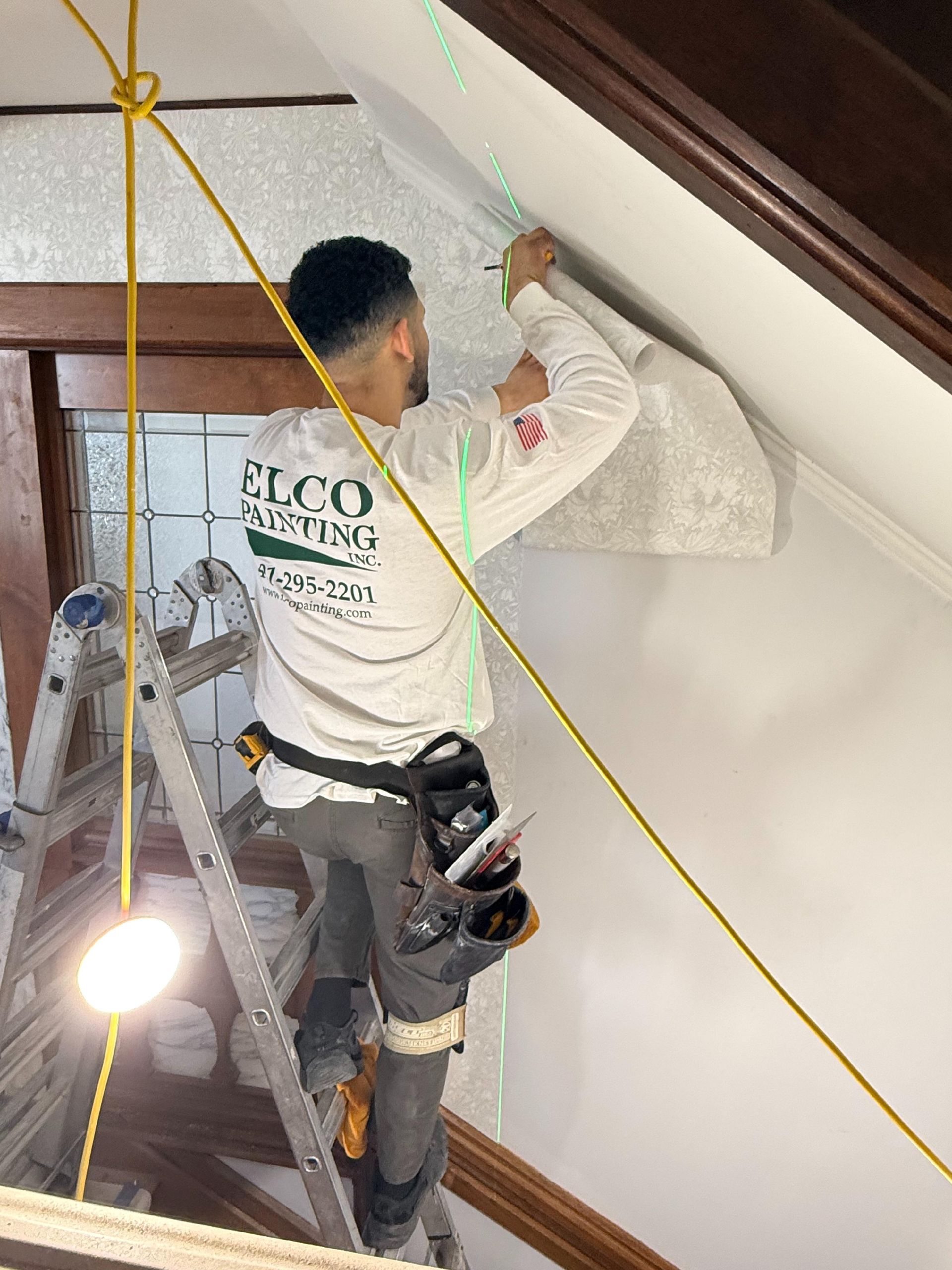
Small loose areas may be secured using an appropriate adhesive. Visible seams or minor imperfections may also need attention to create a smoother finish.
Clean and Prepare the Surface
Dust, grease, and other contaminants should be removed. Depending on the wallpaper material, the surface may also require additional preparation to help the primer adhere.
Apply the Appropriate Primer
This is important. An appropriate sealing or bonding primer, often a solvent-based product when compatible with the wallpaper, can help reduce the risk of moisture from subsequent coatings affecting the adhesive.
What About Wallpaper on Plaster Walls?
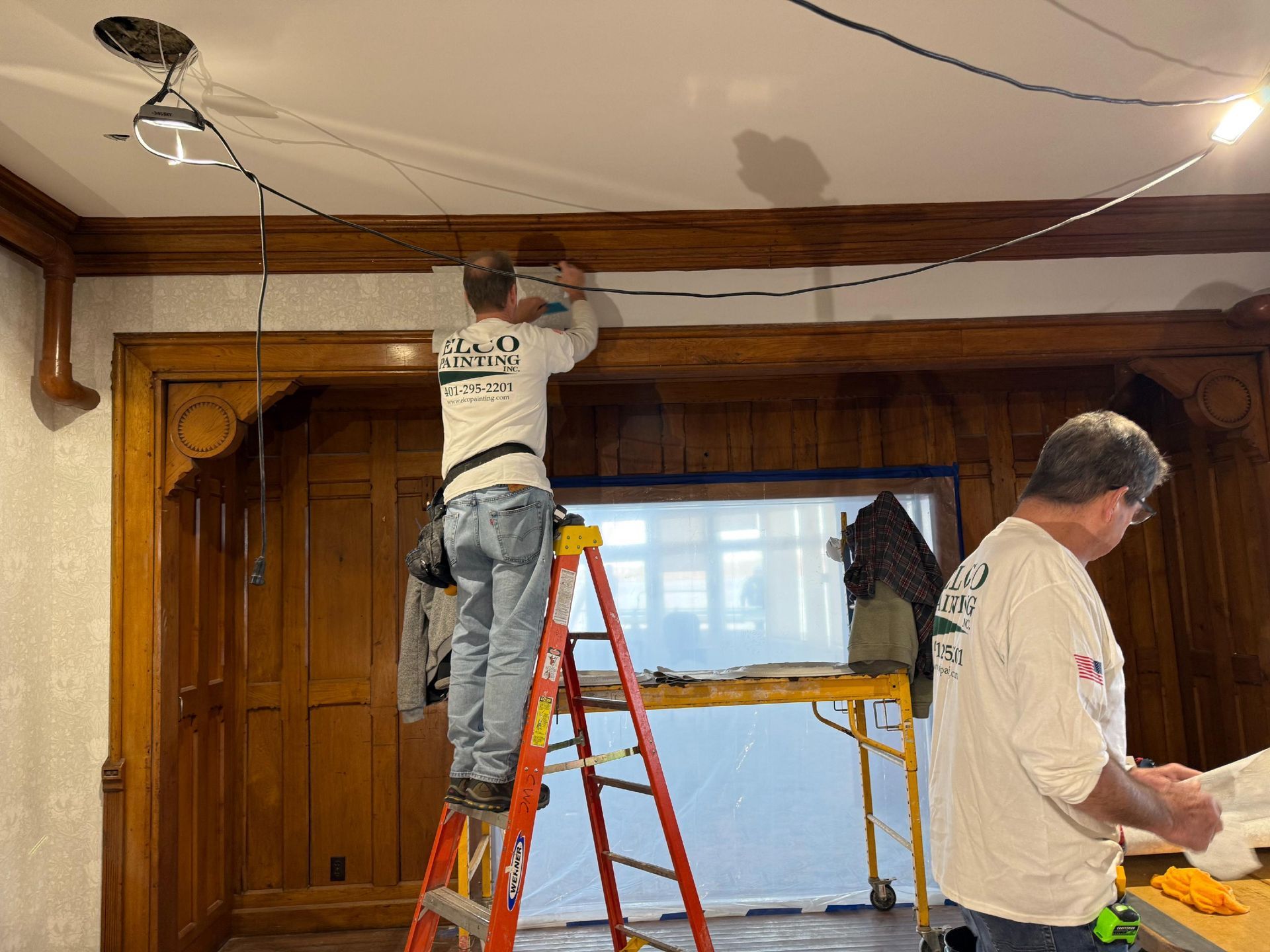
Ah yes, some of you have been doubly favored with the advantages of both wallpaper and plaster (sarcasm). We are sorry to say it, but many older Rhode Island homes have plaster walls instead of drywall, and that can make wallpaper removal more complicated.
Depending on the age and condition of the plaster, removing wallpaper may expose cracks, loose material, damaged finishes, or previous repairs. In some cases, the wallpaper may even be helping conceal existing surface imperfections. Now, that doesn't mean it should automatically stay in place. It just means the condition of the underlying wall deserves some attention before making a decision.
For older homes, particularly those with several generations of renovations, a small test area can help determine how easily the wallpaper can be removed and what repairs might be necessary afterward.
Is Painting Over Wallpaper Cheaper Than Removing It?
Often, yes, at least initially. Leaving securely attached wallpaper in place can reduce labor associated with stripping, cleaning adhesive residue, repairing damaged walls, and preparing the surface for paint. But don't forget what we’ve been saying, because the savings depend on the condition of the wallpaper. Extensive seam repairs, specialized primers, and additional preparation can reduce the difference. There's also the long-term consideration. If the wallpaper eventually releases from the wall, the painted surface is coming down with it. Not exactly the savings you were hoping for.
The Takeaway?
Painting over wallpaper can work, but it's not always the best solution. The decision depends on the wallpaper's condition, how securely it's attached, the type of wall underneath, and the quality of the preparation. For older Rhode Island homes, evaluating the existing surfaces is especially important before deciding whether to paint or remove.
ELCO Painting
At ELCO Painting, we know that older homes can come with a few surprises, especially when it comes to wall preparation. Whether you're considering wallpaper removal or planning an interior painting project, our team can help evaluate your surfaces and explain your options. If you have questions about what makes the most sense for your Rhode Island home, get in touch with us. We're happy to help!
Frequently Asked Questions
Q: Will wallpaper seams show through paint?
A: They can. Even properly secured seams may remain visible, particularly under certain lighting conditions. Additional preparation may help minimize their appearance.
Q: Can you paint over textured wallpaper?
A: Yes, in some cases, but the texture will generally remain visible. If you want a completely smooth wall, removal or additional surface preparation may be necessary.
Q: What happens if you paint directly over wallpaper without primer?
A: Depending on the wallpaper and adhesive, moisture from the paint may cause bubbling, lifting, or peeling. An appropriate primer helps reduce these risks.
Q: Is it better to remove wallpaper from plaster walls?
A: Not always. Removal may be preferable, but older plaster can be vulnerable to damage. The condition of both the wallpaper and underlying wall should guide the decision.
Q: Can you paint over multiple layers of wallpaper?
A: It's generally not recommended. Multiple layers introduce additional adhesives and potential failure points, increasing the risk of bubbling or peeling.