
What Should Be Included in a Professional House Painting Estimate in Rhode Island?
Last Updated: August 9, 2026
A lot more than just the total price, that's for sure. An estimate should explain what will be painted, how surfaces will be prepared, what products will be used, how many coats are included, any repairs that are covered, project expectations, and warranty information. In other words, a detailed estimate is supposed to help Rhode Island homeowners compare contractors based on the scope of work, not just the number at the bottom of the page.
Let's break it down a little bit more.
It Should Clearly Define What Is (and Isn't) Being Painted
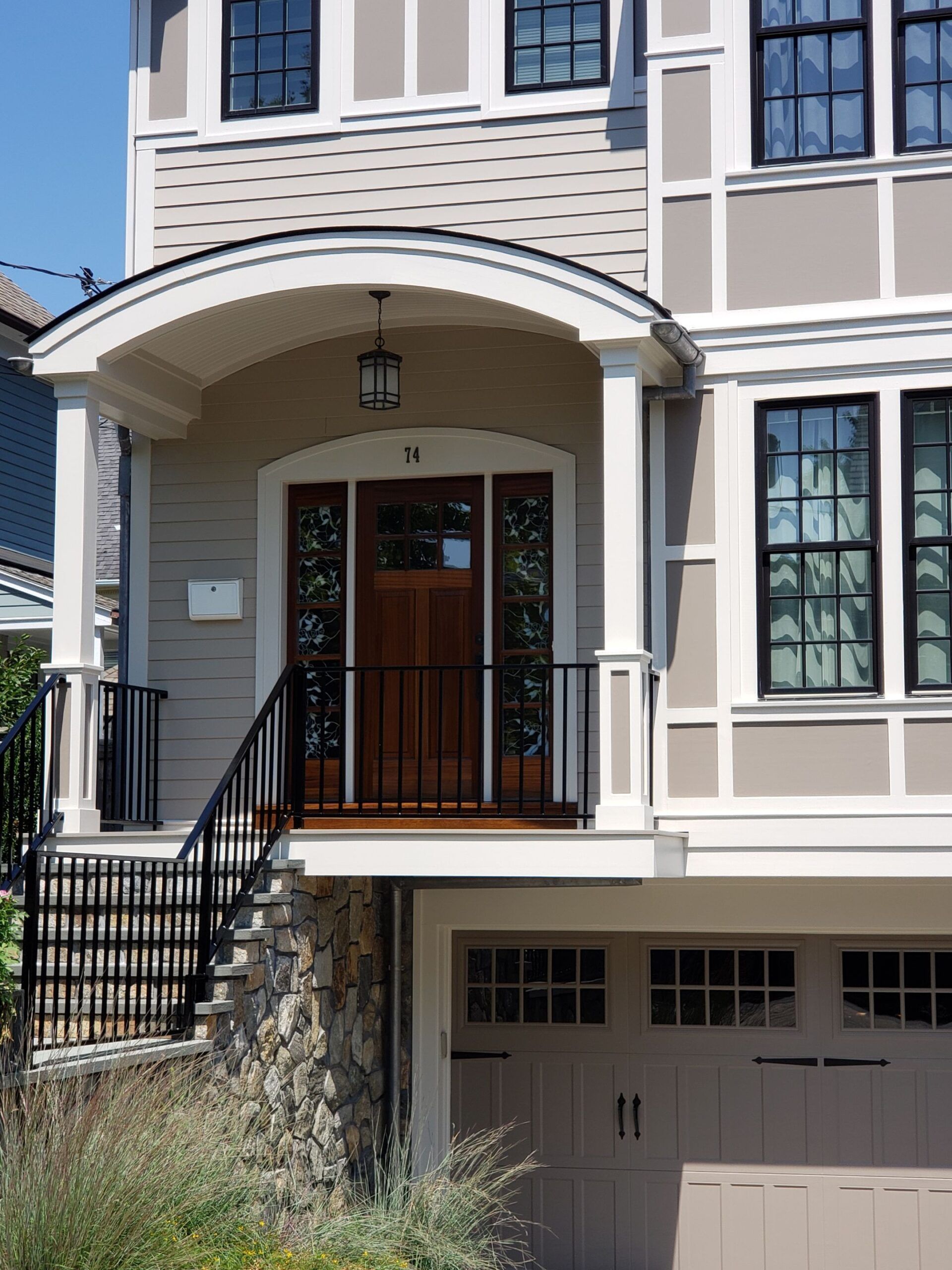
One of the first things a professional estimate should do is remove any guesswork. Every surface included in the project should be accounted for, whether that's:
- Siding
- Trim
- Fascia and soffits
- Garage doors
- Entry doors
- Shutters
- Railings
- Porches or decks (if applicable)
Just as important, the estimate should identify anything not included (at least, anything that could reasonably be assumed included). It might seem obvious while you're walking around the house with the estimator, but memories fade and painters are not good mind readers. A written scope of work helps ensure everyone has the same expectations before the first ladder goes up.
Surface Preparation Should Be Clearly Explained
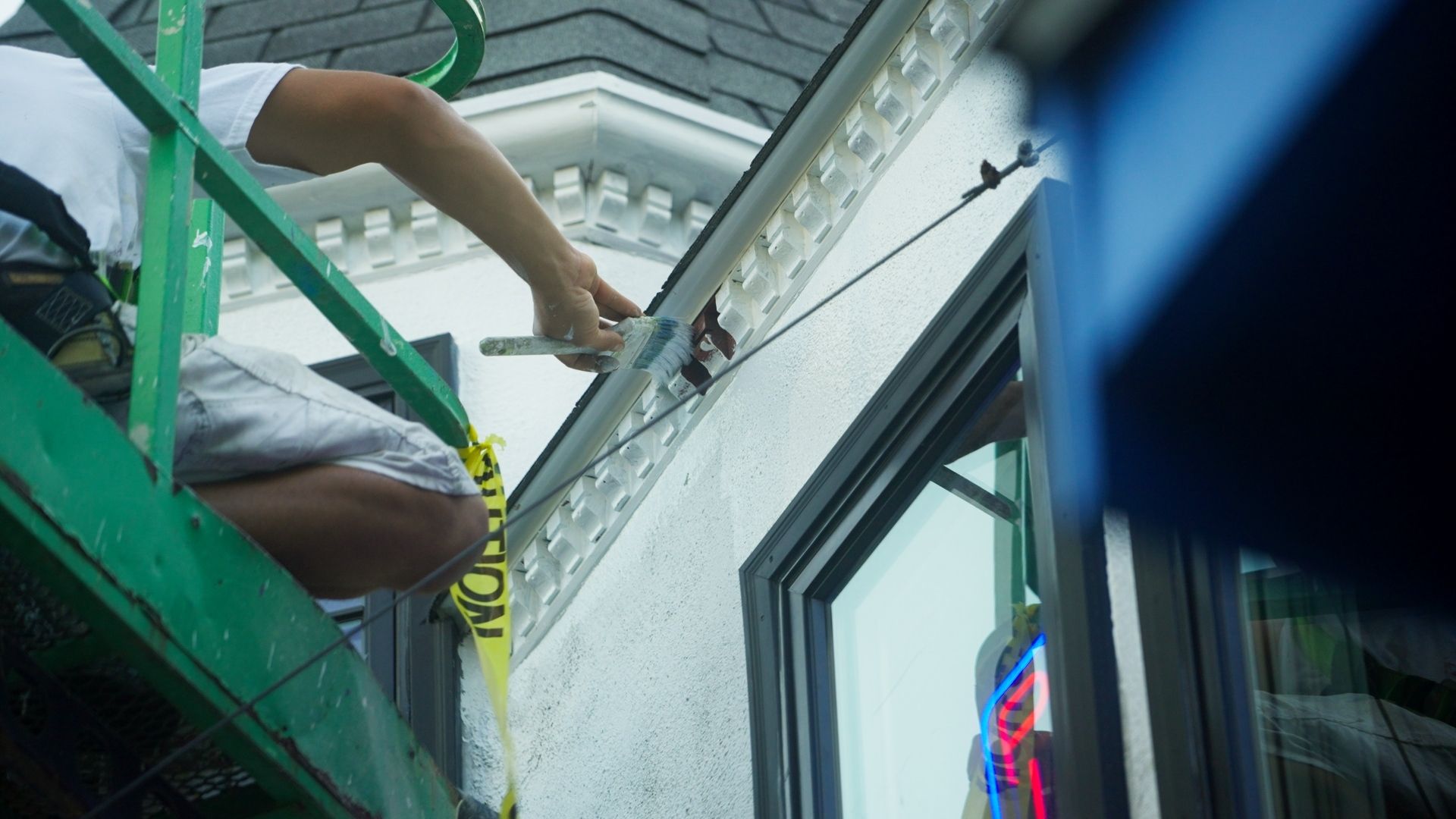
A quality paint job starts with quality preparation, and that prep work can take as much time as applying the paint itself. A professional estimate should explain how surfaces will be prepared. Depending on the condition of your home, that could include:
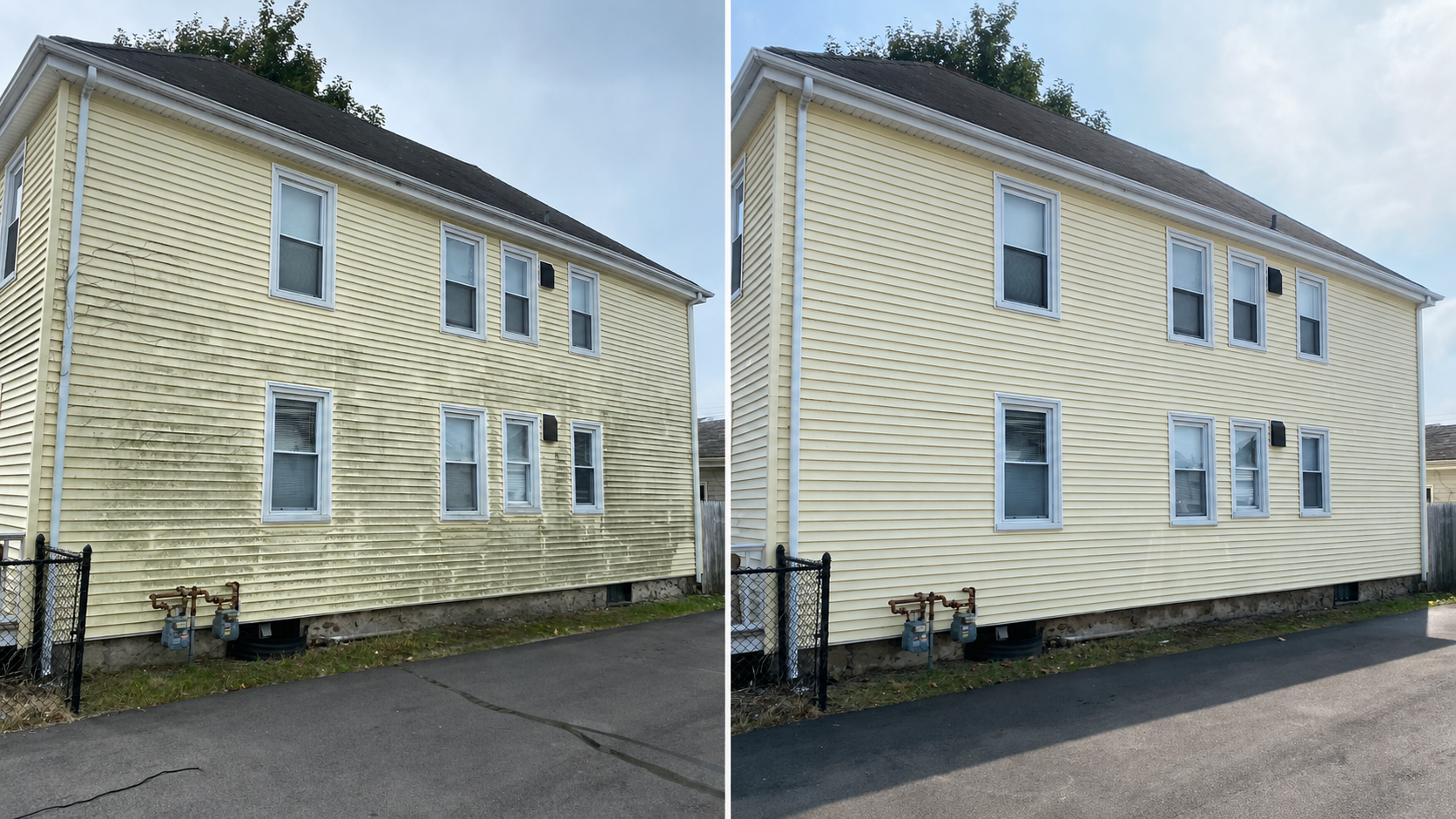
- Pressure washing
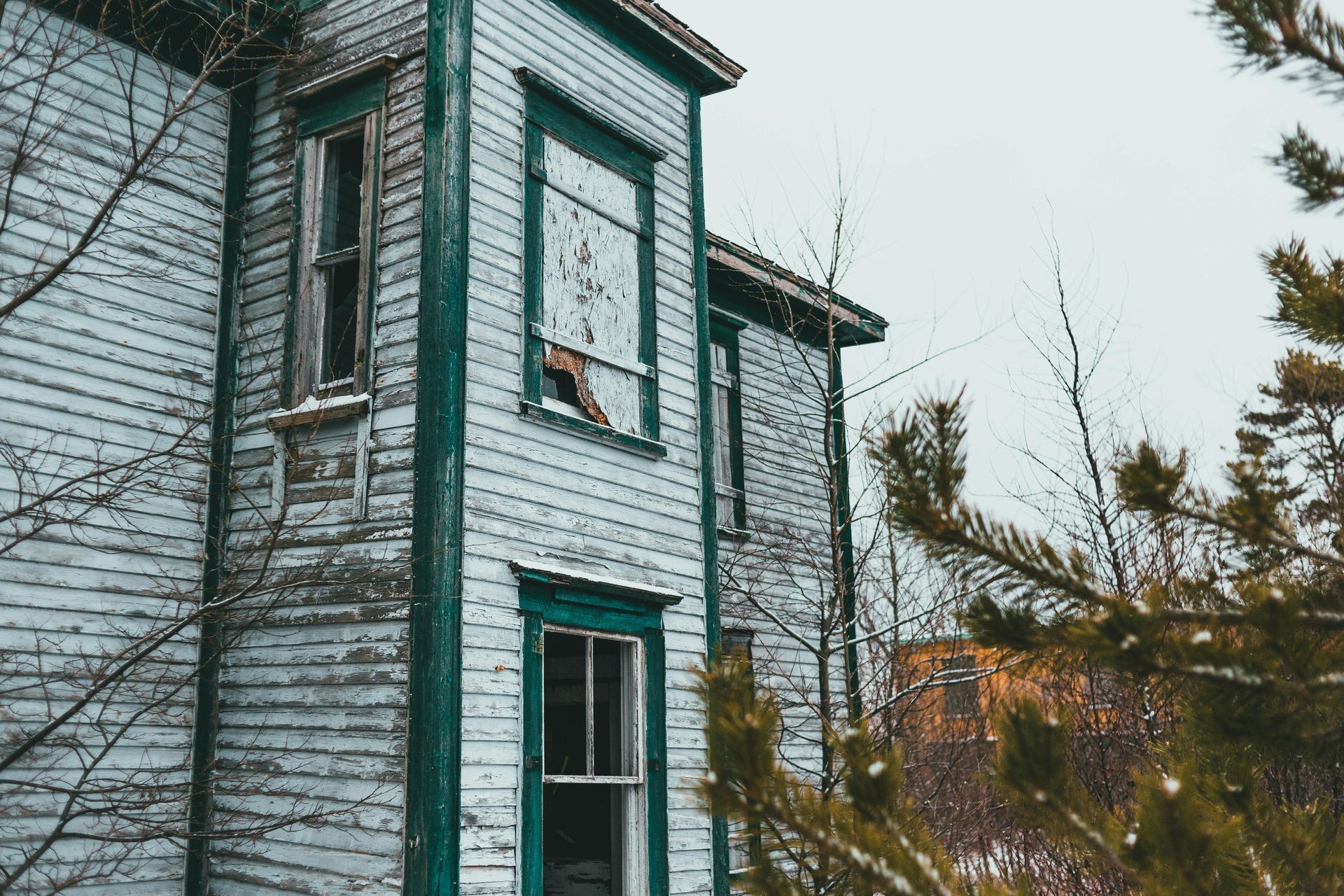
- Scraping peeling paint
- Sanding rough areas
- Caulking gaps around trim
- Spot priming bare wood
- Minor patching or surface repairs
If an estimate doesn't mention preparation at all, don't assume it's included. It's worth asking.
Paint Products Matter More Than Many People Realize
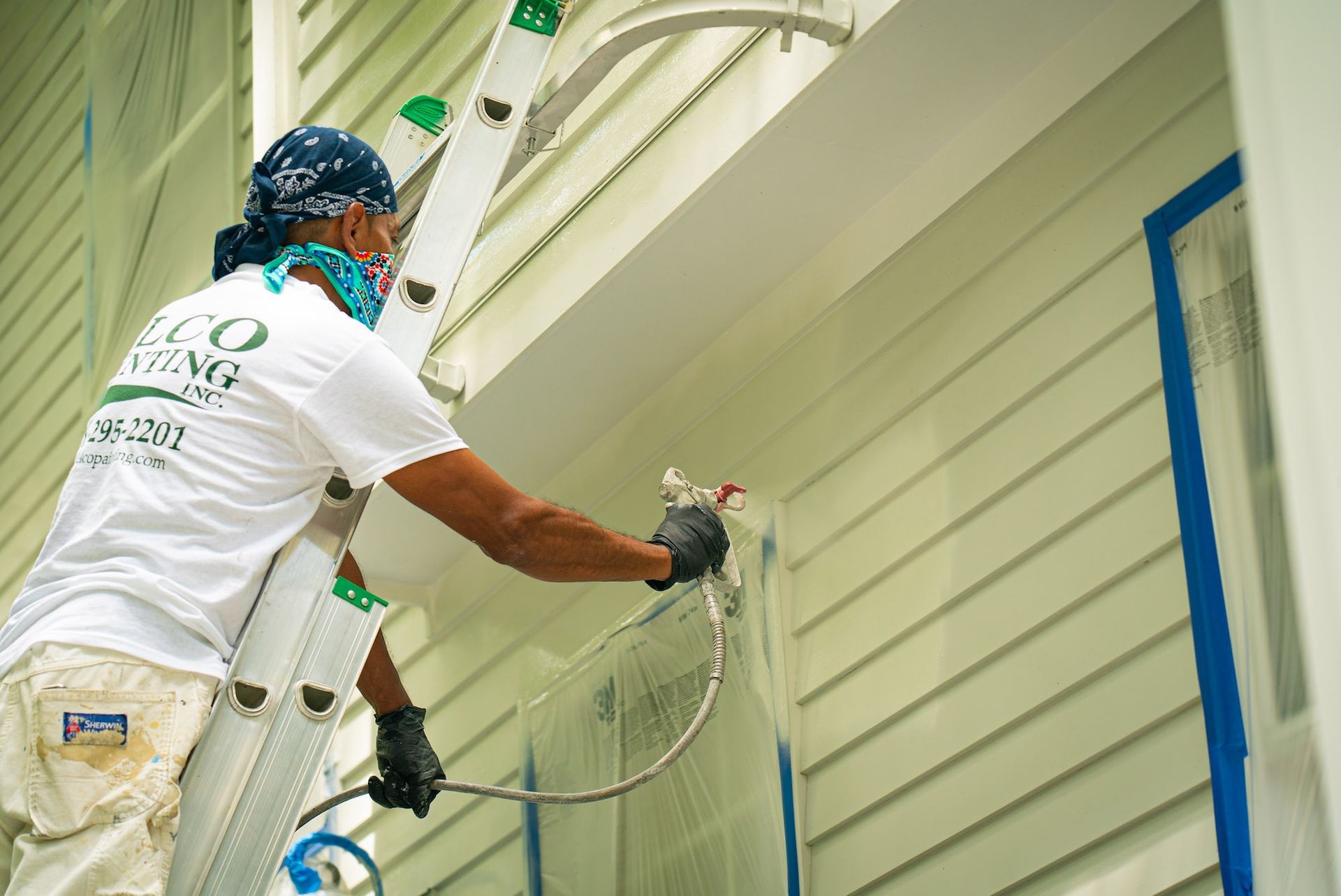
Not all paint is created equal. Professional estimates need to identify the paint manufacturer and, ideally, the specific product line being used. Why? Because premium coatings often provide better durability, improved color retention, and longer-lasting protection against Rhode Island's ever-changing weather. Between salty coastal air, humid summers, freezing winters, and everything in between, exterior paint has a lot to deal with. The estimate should also specify how many finish coats are included and whether primer will be applied where necessary.
Sometimes the biggest difference between two estimates isn't the labor. It's what's inside the paint can (plus the labor).

Repairs Should Be Addressed Up Front
Painting projects sometimes uncover problems that weren't obvious from the ground. Maybe a section of trim has started to rot. Maybe there's damaged wood around a window. Maybe an old repair needs a little extra attention before painting begins.
A professional estimate will explain what repairs are included and what would be considered additional work if unexpected issues are discovered.
The Estimate Should Set Clear Expectations
A painting estimate isn't only about materials and labor. It should also help you understand how the project will unfold. Look for information such as:
- Estimated project timeline
- Daily cleanup procedures
- Protection of landscaping and outdoor furniture
- Weather considerations
- Final walkthrough process
Having these details in writing helps everyone stay on the same page and reduces surprises along the way.
Warranty Information Shouldn't Be an Afterthought
A professional estimate should also explain any warranties being offered. This may include workmanship warranties from the painting contractor, manufacturer warranties on paint products, or both. It's equally helpful to understand what those warranties don't cover. Normal weathering, structural movement, water intrusion, or problems unrelated to the paint system are often excluded.
Don't Compare Estimates by Price Alone
It's completely natural to look at the total first. Most homeowners do. But comparing painting estimates based only on price can be misleading. A lower estimate may include less preparation, fewer repairs, lower-grade materials, or fewer coats of paint. Meanwhile, a higher estimate may account for additional labor, better products, or a more comprehensive scope of work. That doesn't automatically make either estimate right or wrong. It simply means the lowest number isn't always the best value.
The best estimate is the one that clearly explains what you're getting so you can make an informed decision with confidence.
The Takeaway?
You want an estimate that answers your questions before they become problems. It should explain the work being performed, the preparation involved, the products being used, project expectations, and warranty coverage. The more detailed the estimate, the easier it becomes to compare contractors fairly and choose the option that makes the most sense for your home.
ELCO Painting
At ELCO Painting, we believe homeowners deserve estimates that are clear, detailed, and easy to understand. Whether you're comparing proposals or planning your first exterior painting project, taking the time to review what's included can help you make a confident decision and avoid surprises once the work begins. Give us a call!
Frequently Asked Questions
Q: Why do painting estimates vary so much?
A: Every contractor may include different levels of preparation, materials, repairs, and warranty coverage. Two estimates can have very different scopes of work even if they're for the same home.
Q: Should the paint brand be listed on the estimate?
A: Yes. A professional estimate should identify the manufacturer and, ideally, the specific product line so you know what materials are being used.
Q: Is surface preparation always included?
A: Not necessarily. Some estimates provide detailed preparation steps while others mention very little. If prep work isn't clearly outlined, it's worth asking for clarification.
Q: Are repairs usually included in a painting estimate?
A: Minor repairs are sometimes included, while larger carpentry or extensive wood replacement may be priced separately. Your estimate should explain what is and isn't covered.
Q: What questions should I ask before accepting an estimate?
A: Ask about preparation, paint products, number of coats, warranty coverage, project timeline, cleanup procedures, and any exclusions. A professional contractor should be happy to walk you through the details.