

How to Choose Exterior Paint Colors That Complement Your Rhode Island Home’s Architecture
Last Updated: May 31, 2024
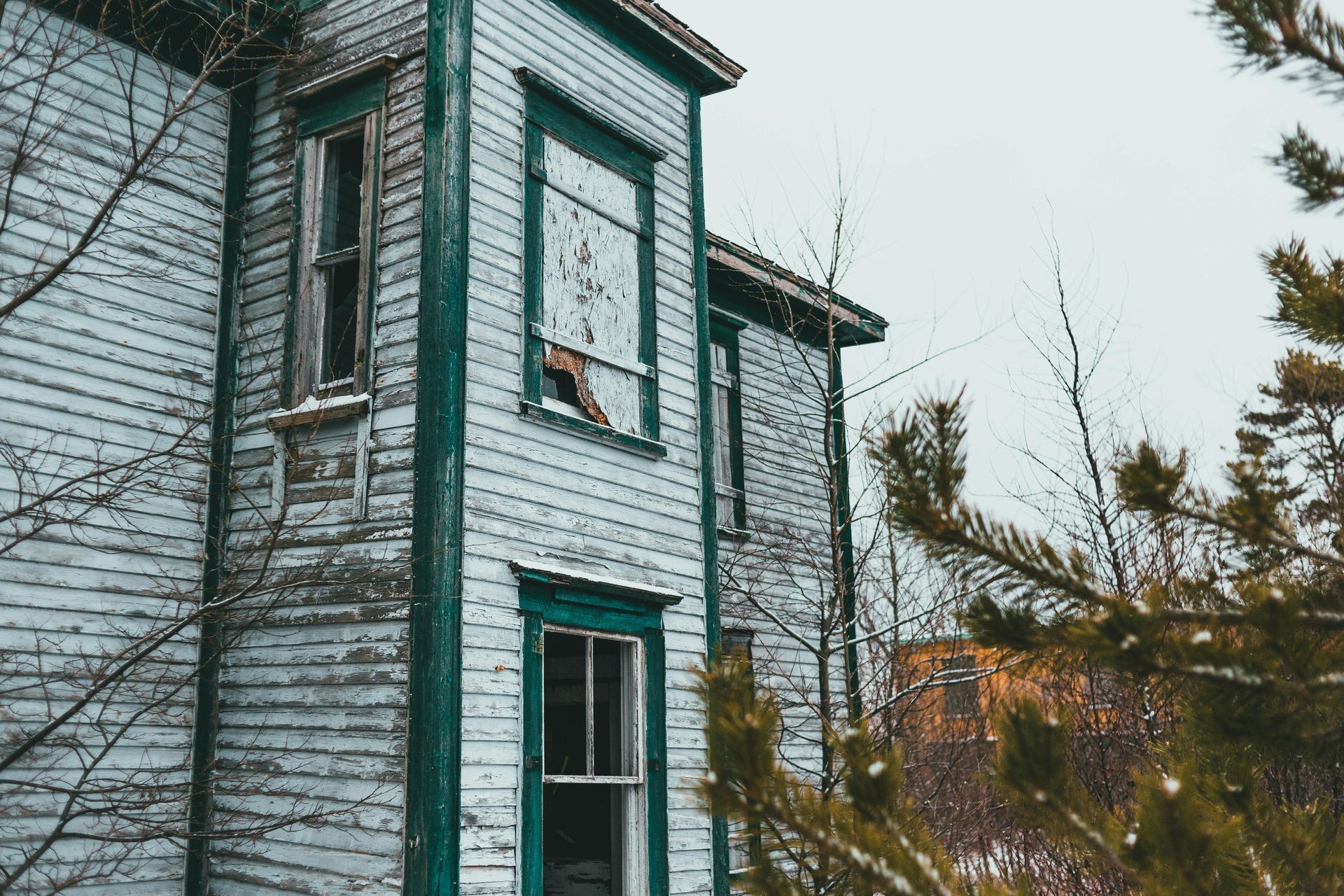
Everybody can appreciate a home with classic architecture. Whether gothic, renaissance, art deco, or contemporary, every style has a history. But did you know that your home’s architecture can be enhanced? That’s right, and it doesn’t include major renovations. All it takes is the right paint in the right places.
Let’s go deeper.
The exterior paint color you select can actually resonate with the historical and natural backdrop of the region, creating a harmonious look that stands out in a positive way. In this article we’ll walk you through the steps to select paint colors that will beautifully complement the architecture of your Rhode Island home. Ready? Let’s dive in.
Understanding Rhode Island’s Architectural Styles
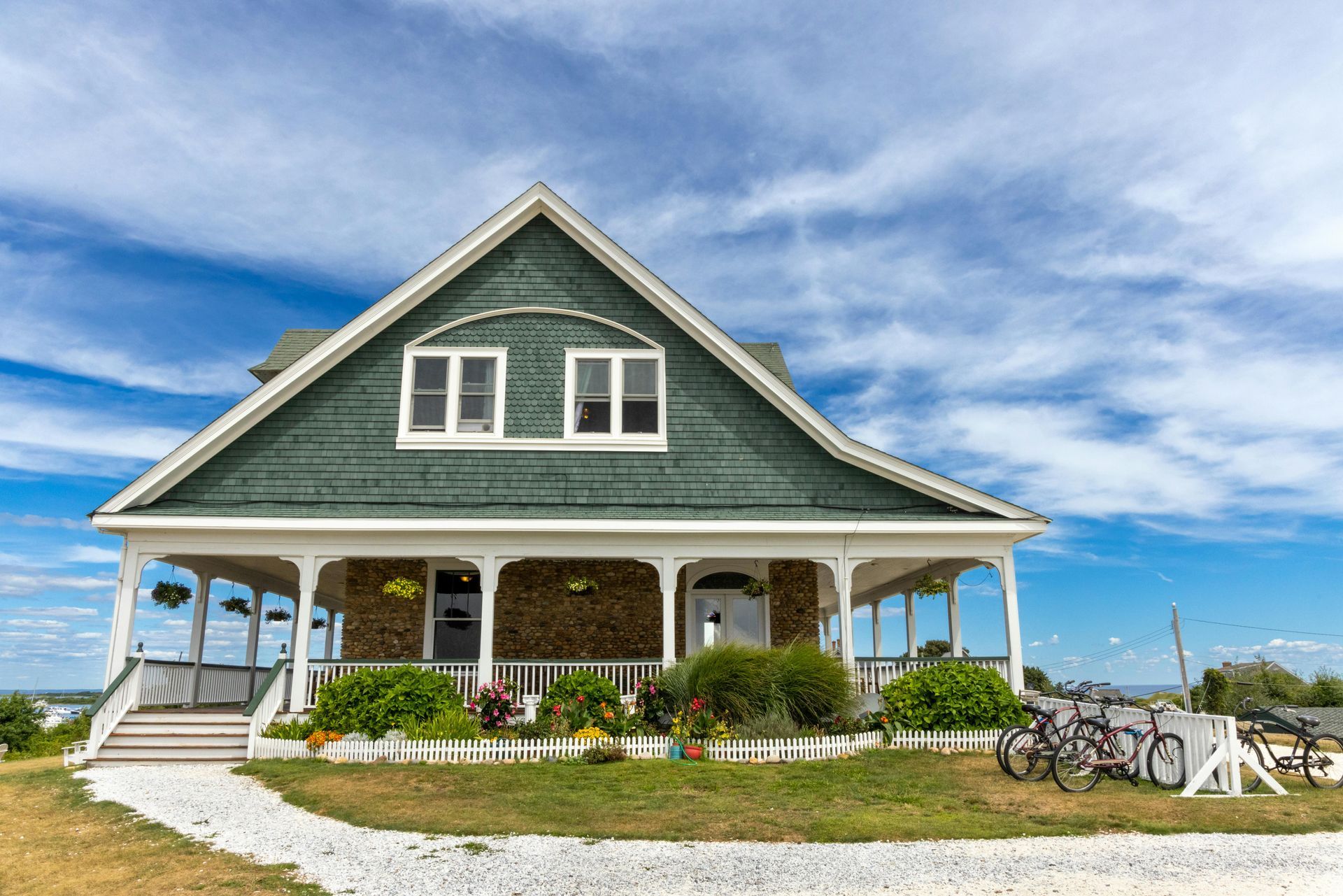
Rhode Island is rich with a variety of architectural styles, each carrying its unique charm and history. Notable styles include the traditional Colonial with its understated elegance, the ornate Victorian with intricate trim details, and the cozy Cottage style that evokes a sense of quaint simplicity. Understanding the defining features of these styles is crucial as it influences your color choices to either highlight these features or blend with the landscape.
Factors to Consider When Choosing Paint Colors
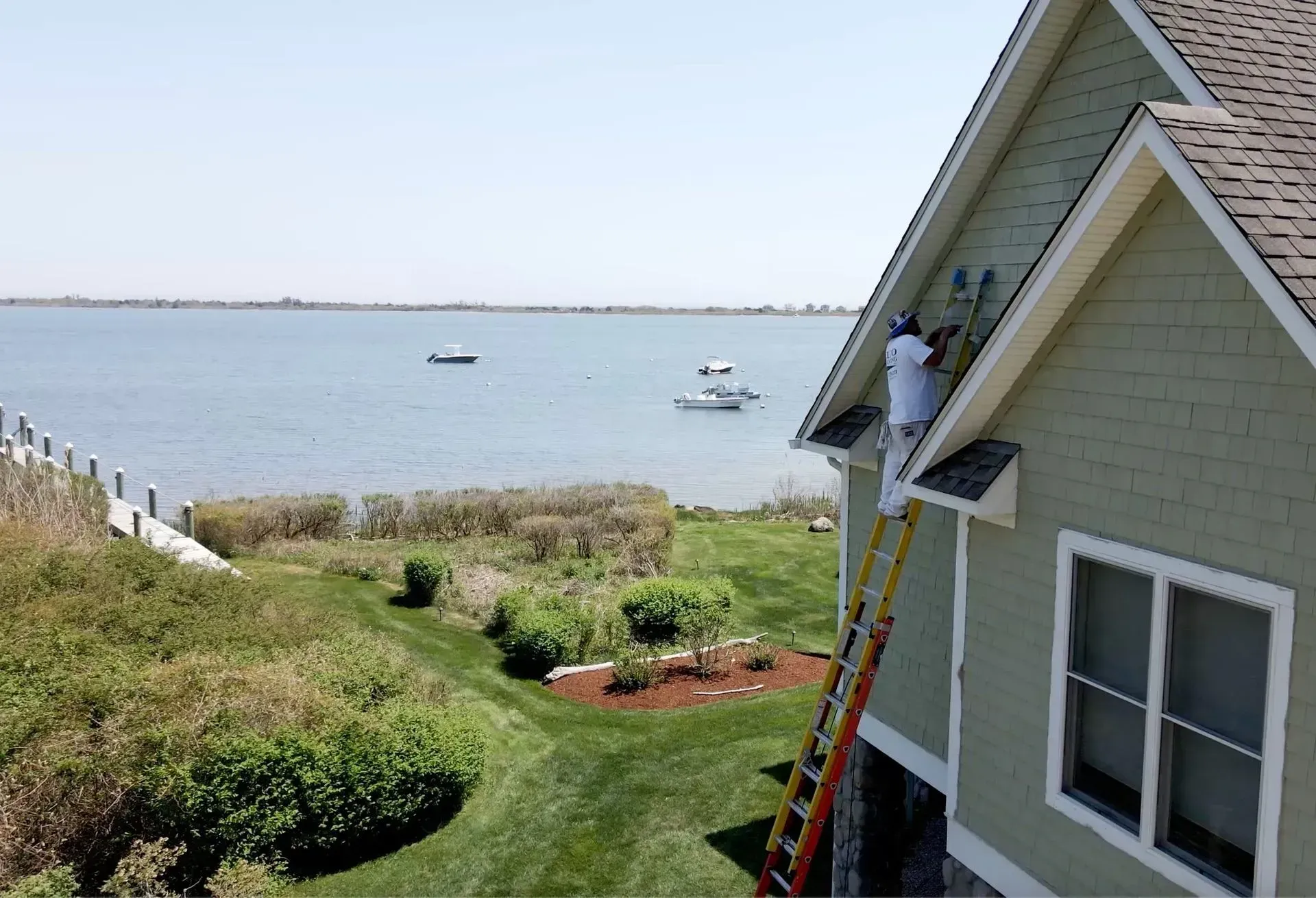
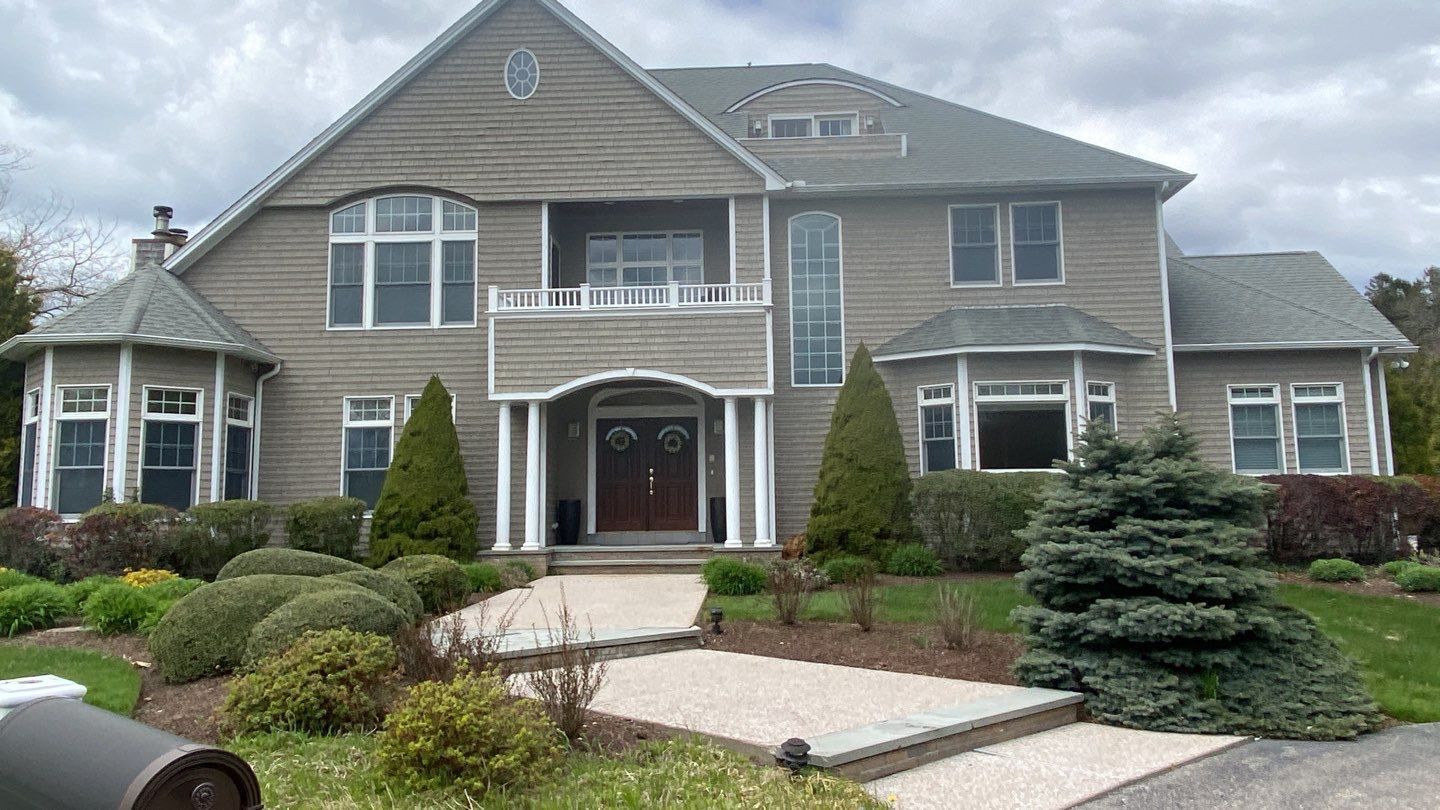
Local Environment and Surroundings: Consider how your home fits into its immediate environment. Homes near the coast might opt for colors that reflect the seaside, with soft blues, greens, and sandy hues, while a home in a more forested area might look best with earth tones that compliment the natural surroundings.
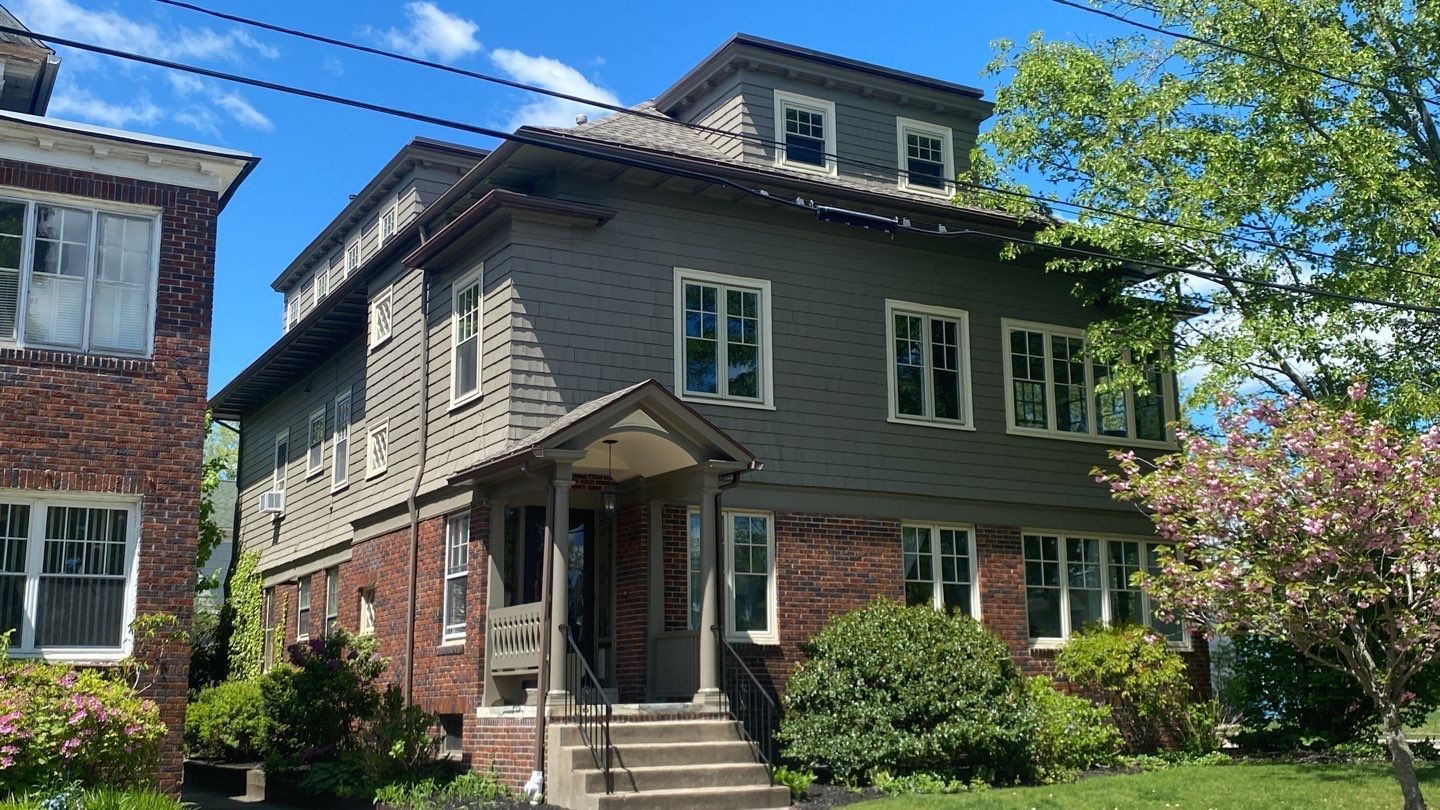
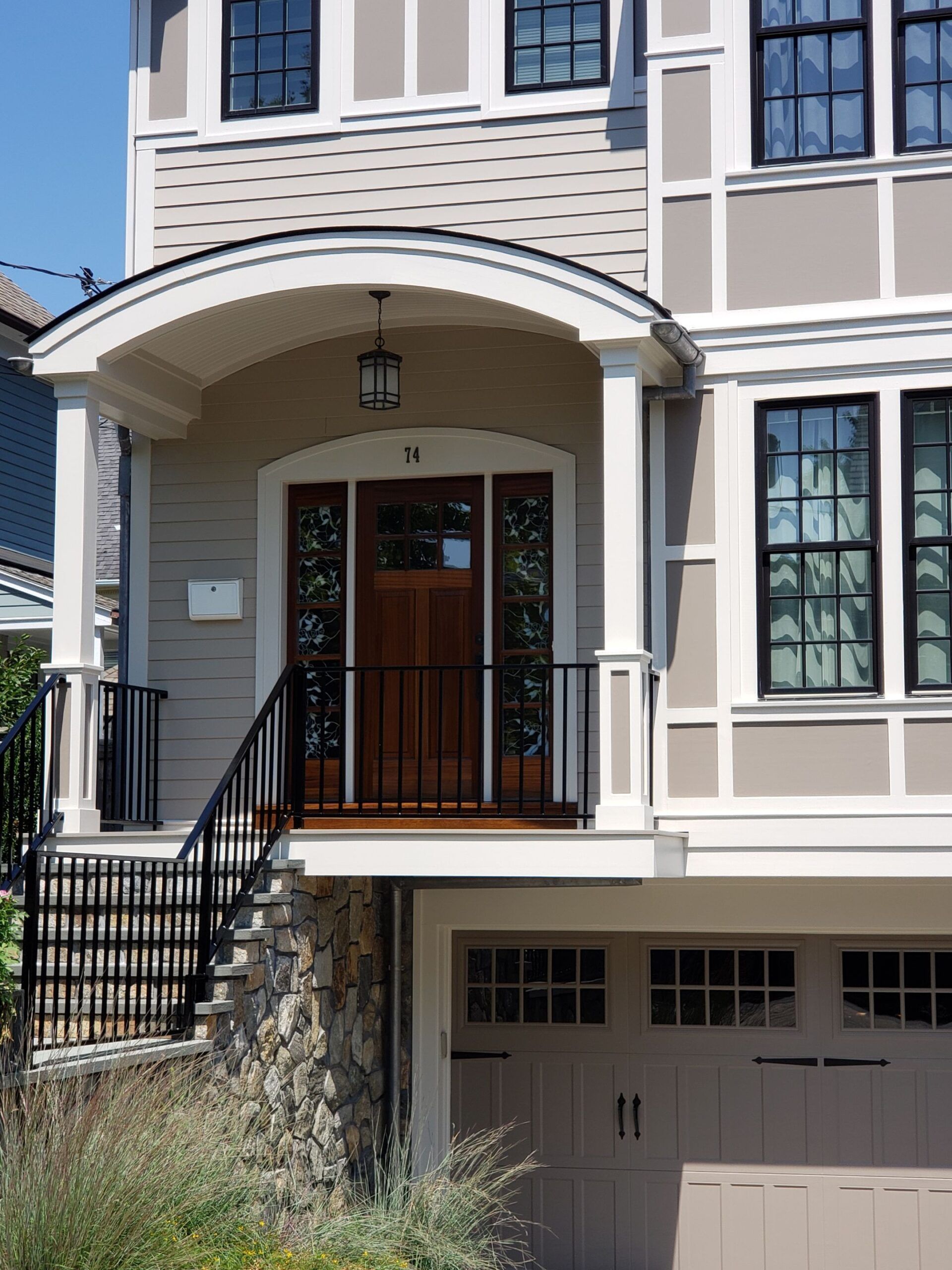
Architectural Details and Materials: The materials used in your home’s construction, such as wood, brick, or stone, should influence your color choices as well. Select shades that enhance these natural textures and colors rather than overshadow them. For instance, a brick Colonial might look striking with traditional white trim, highlighting the red brick facade.
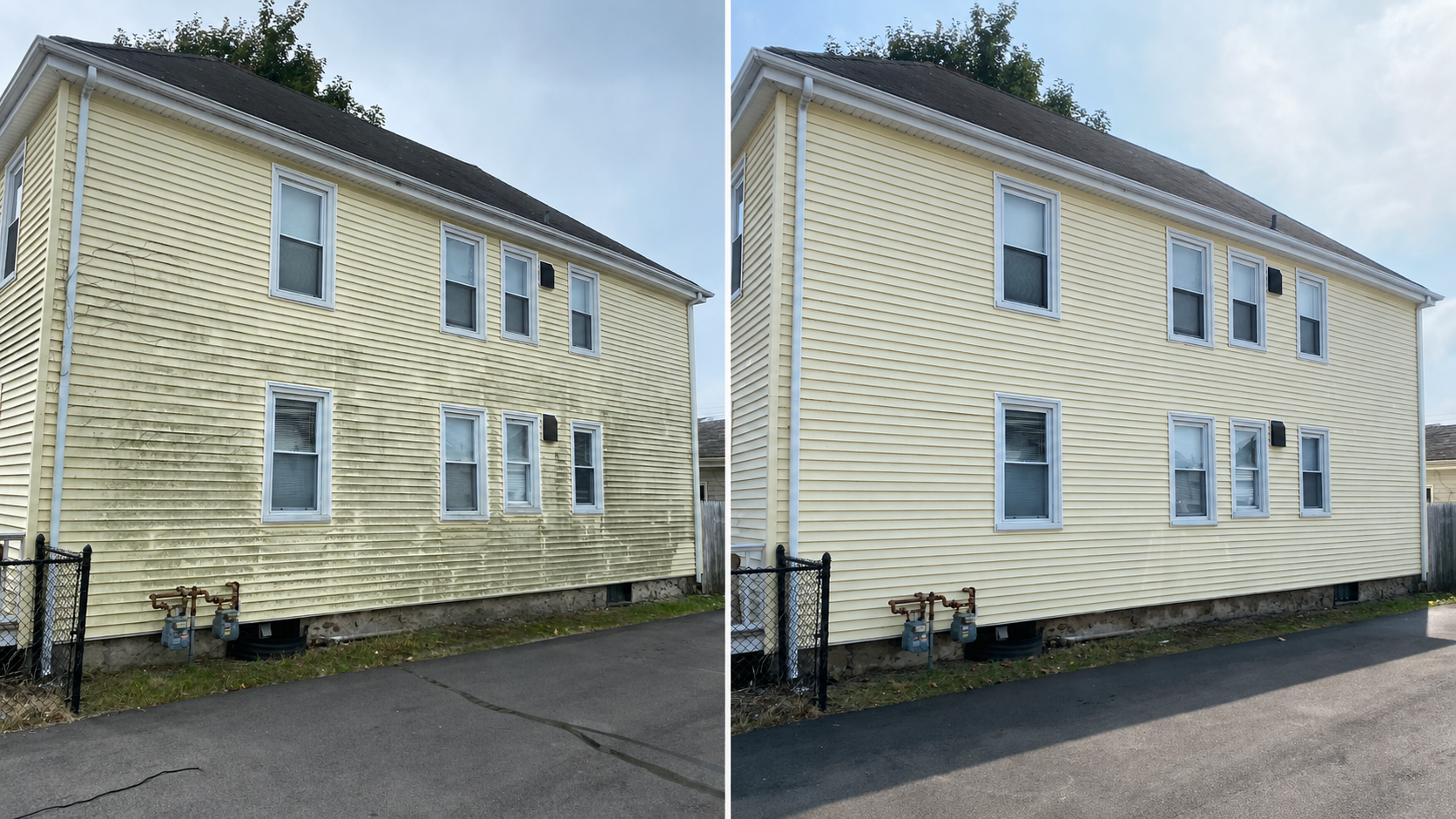
Color Durability: Given Rhode Island’s coastal climate, it’s essential to choose high-quality paints capable of withstanding humid summers and cold, wet winters. Opt for colors known for their UV resistance and ability to retain vibrancy.
Color Trends and Palettes: While respecting the architectural integrity of your home, it’s also sometimes worth while to consider current color trends. For a Colonial-style home, traditional whites, grays, and navy can be both trendy and timeless. Victorian homes offer more leeway to experiment with bolder, contrasting color schemes, such as deep greens or blues paired with bright whites or even gold accents. Cottages often look appealing in softer, lighter colors like pastels that blend naturally into garden-filled settings.
Visual Harmony and Contrast: Achieving a visual balance between the main color and accents is key. Consider how the colors interact with each other and the surroundings. A well-chosen accent color can highlight architectural details like shutters, doors, and trim, adding character and depth to the façade.
Legal and Community Considerations: Before finalizing your choice, make sure to check any local regulations or homeowners association guidelines concerning exterior paint colors. This ensures your color choice is not only beautiful but also compliant.
What’s the Takeaway?
As you can see, selecting the right exterior paint colors is a critical decision that can dramatically affect your home’s appearance and value. By considering your home’s architectural style, the surrounding environment, and color durability, you can choose a palette that enhances its inherent beauty while also making a personal statement!
Frequently Asked Questions
What are the most popular colors for Colonial homes in Rhode Island? A. Traditional colors like white, beige, and gray are popular, often accented with black or dark green shutters.
Can I use modern colors on a historic home? A. Yes, modern colors can be used tastefully on historic homes, especially when chosen to highlight architectural details while respecting the home’s era.
How often should I repaint the exterior of my home in Rhode Island? A. Typically, it’s advisable to repaint every 5 to 7 years, but this can vary based on the paint quality and exposure to elements.
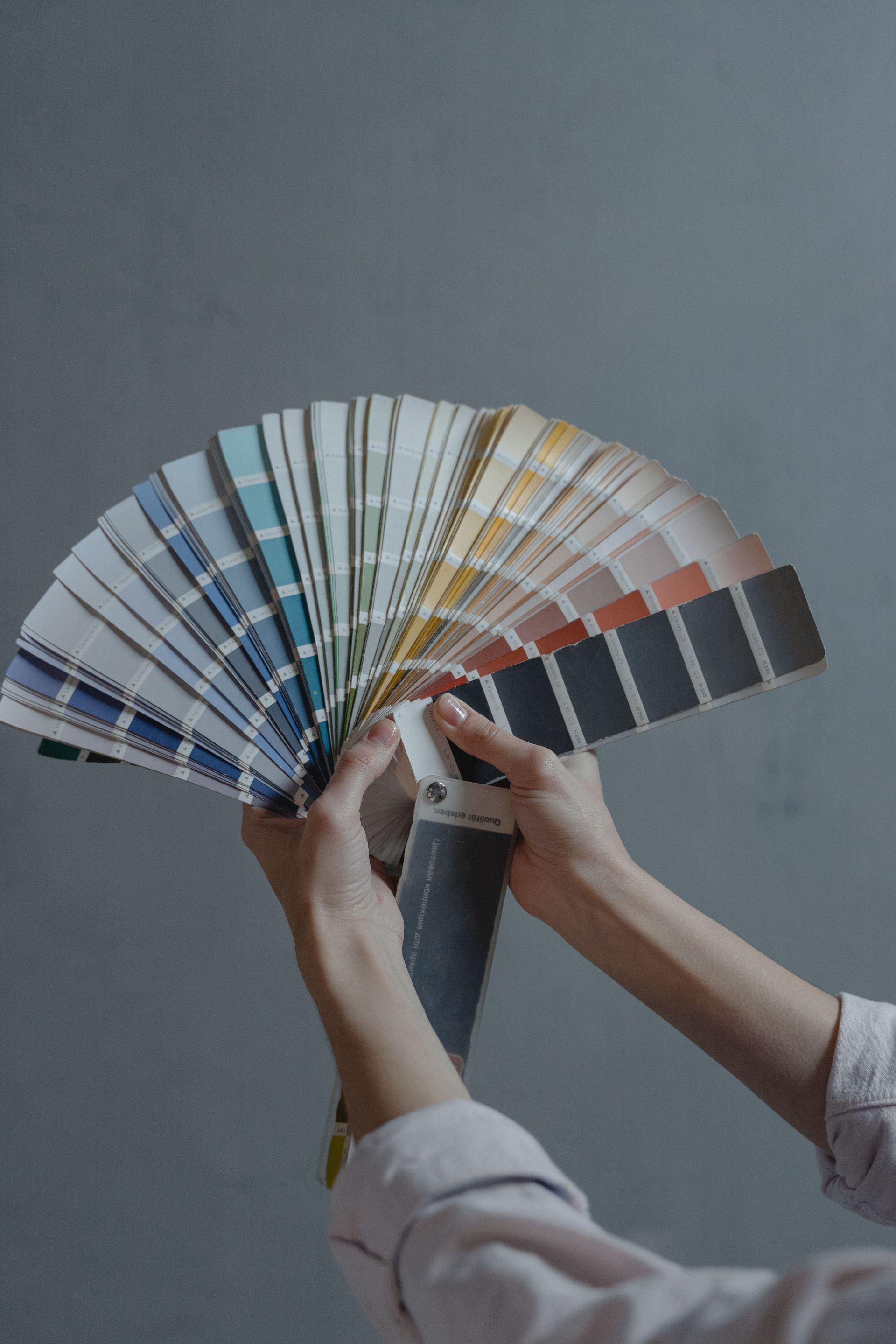
Q. What should I do if I can’t decide on a color? A. Consider consulting with a professional color consultant or using digital tools to visualize how different colors will look on your home.