Signs It’s Time for a Commercial Exterior Repaint in Rhode Island
Last Updated: February 28, 2025
Maintaining the exterior of your commercial building in Rhode Island is key to making a great first impression. Even the best-kept buildings start to show signs of wear over time, and ignoring them won’t make them disappear.
The good news? Catching these signs early can save you from bigger, costlier repairs down the road. All you need is to know what to watch for, and—lucky for you—we’ve put together this handy guide to help you do just that.
1. Fading Paint
If your building’s once-vibrant colors have dulled to a lackluster shade, it’s a clear sign that the paint is deteriorating. Fading not only affects curb appeal but also indicates that the protective qualities of the paint are diminishing, leaving the underlying materials vulnerable to the elements. In Rhode Island’s varied climate, this can lead to accelerated wear.
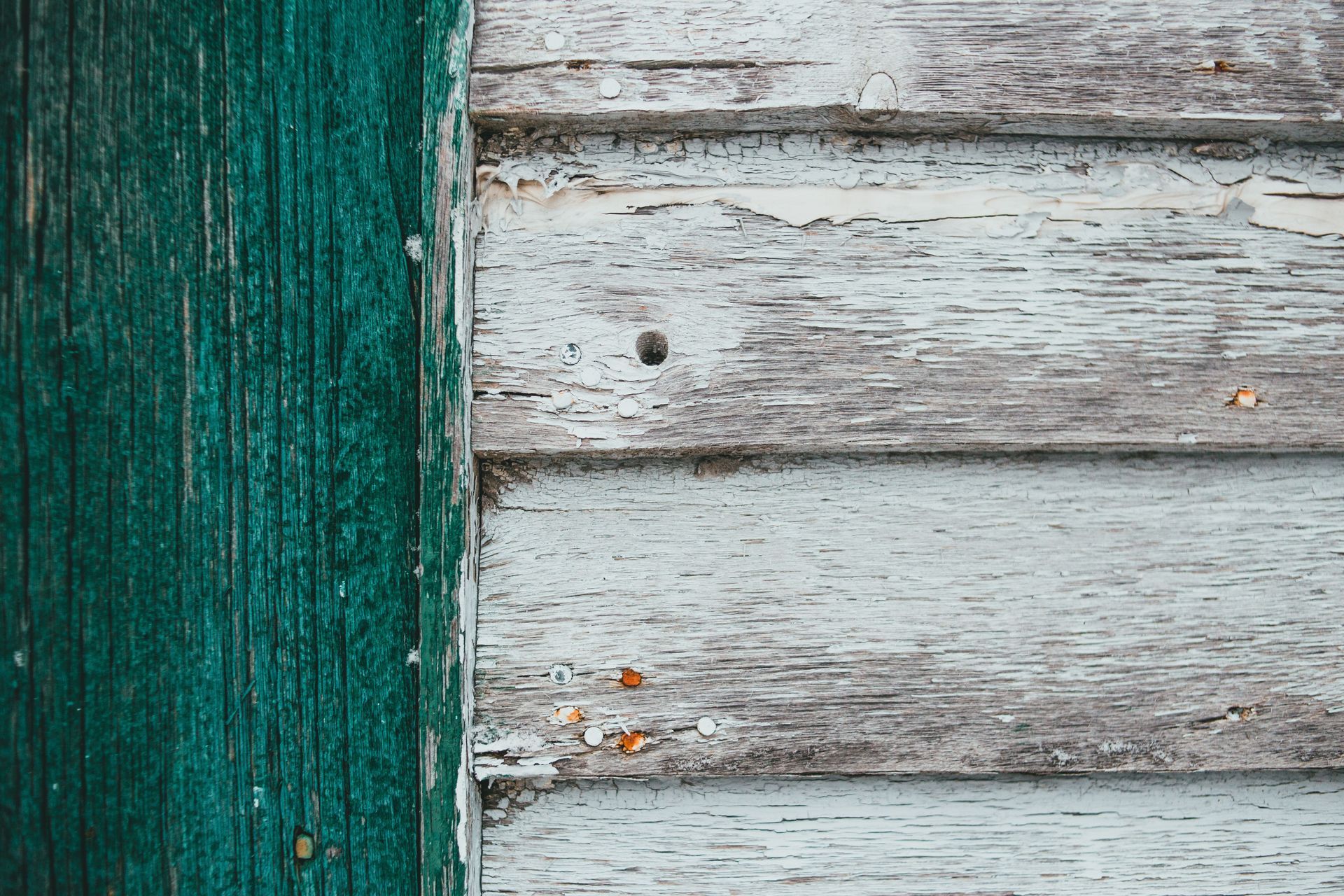
2. Peeling, Cracking, or Blistering
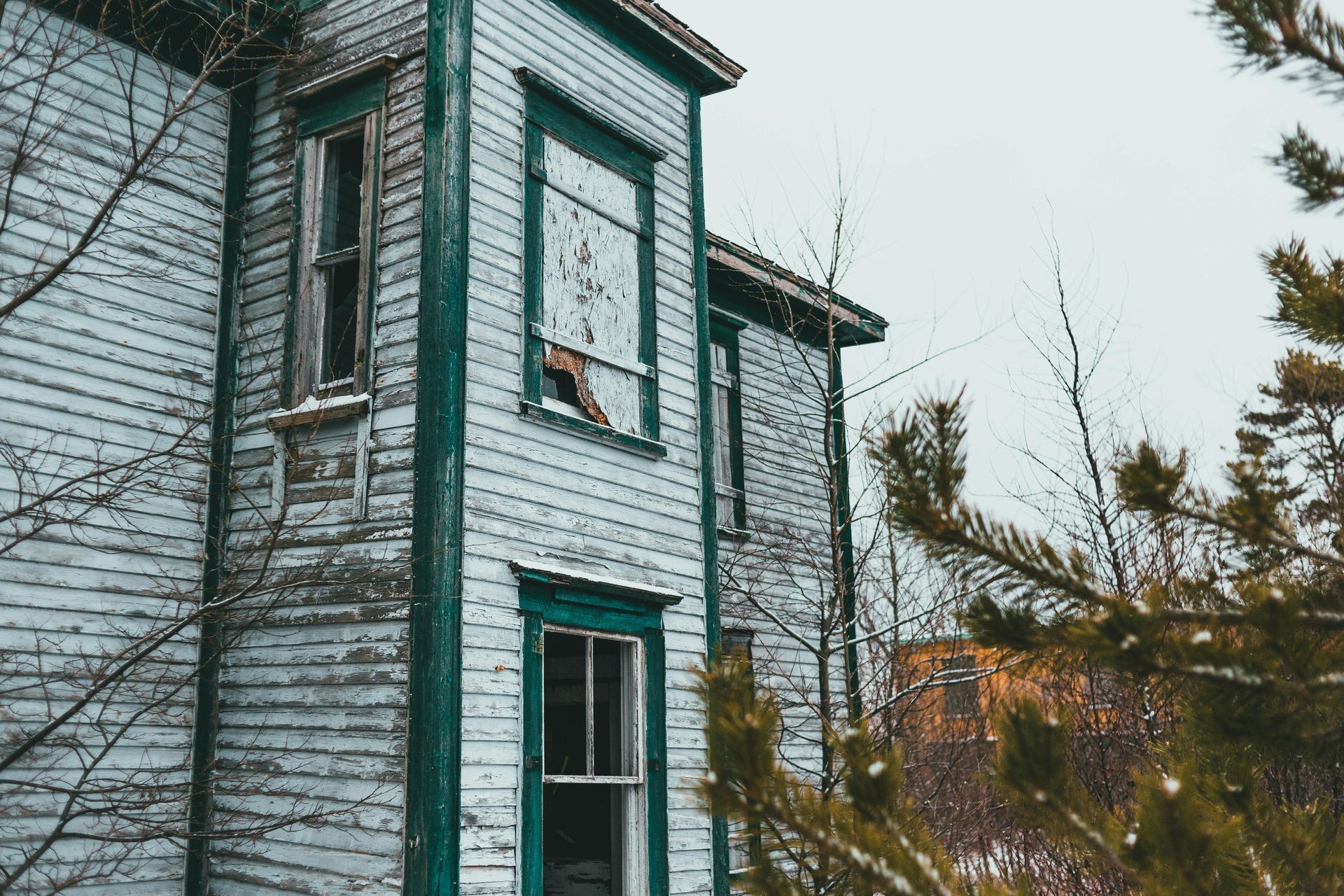
When paint begins to peel, crack, or blister, it’s more than just an aesthetic issue; it’s a signal that moisture has infiltrated the building’s exterior. This can lead to more serious problems like wood rot or structural damage if not addressed promptly. Regular inspections can help catch these issues early, preventing costly repairs.
3. Visible Mold or Mildew
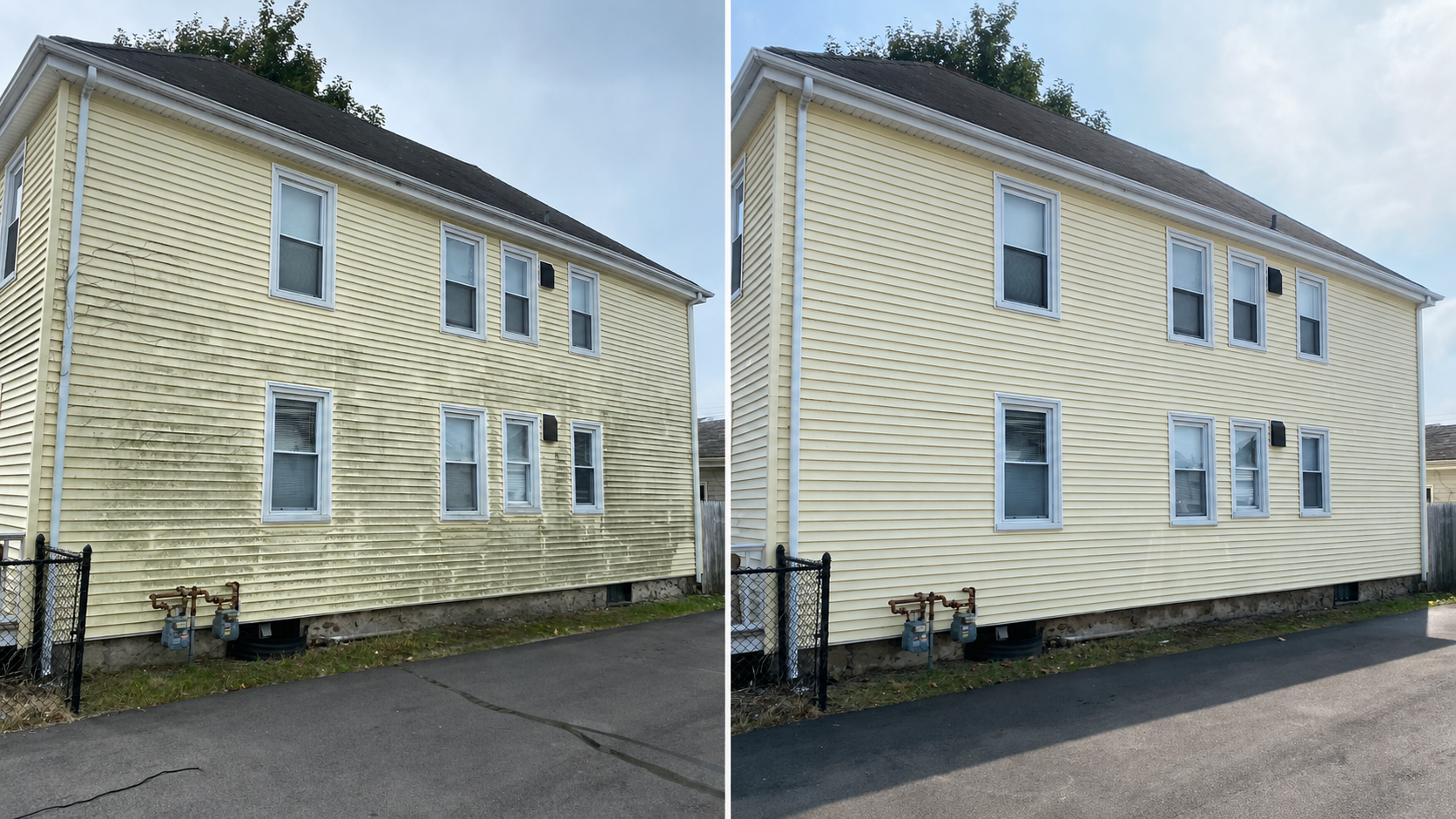
The presence of mold, mildew, or algae stains on your building’s exterior is also a sign that moisture is being retained in the walls. Not only does this detract from the building’s appearance, but it can also pose health risks and further degrade the structure. Consider a fresh coat of paint with mold-resistant properties.
4. Chalking
Chalking occurs when a fine, powdery residue forms on the surface of the paint, often due to the breakdown of paint binders from prolonged exposure to sunlight. While it’s a natural aging process, excessive chalking can lead to fading and can stain adjacent surfaces. If you notice chalking, it’s a good indication that it’s time for a repaint.
5. Shrinking or Gaps in Caulk
Caulk seals joints and prevents moisture from entering the building. But, over time, caulk can shrink, crack, or pull away from surfaces, compromising its effectiveness. If you observe gaps or deterioration in the caulking around windows, doors, or seams, you need to have these issues addressed during a repainting project to maintain the building’s integrity.
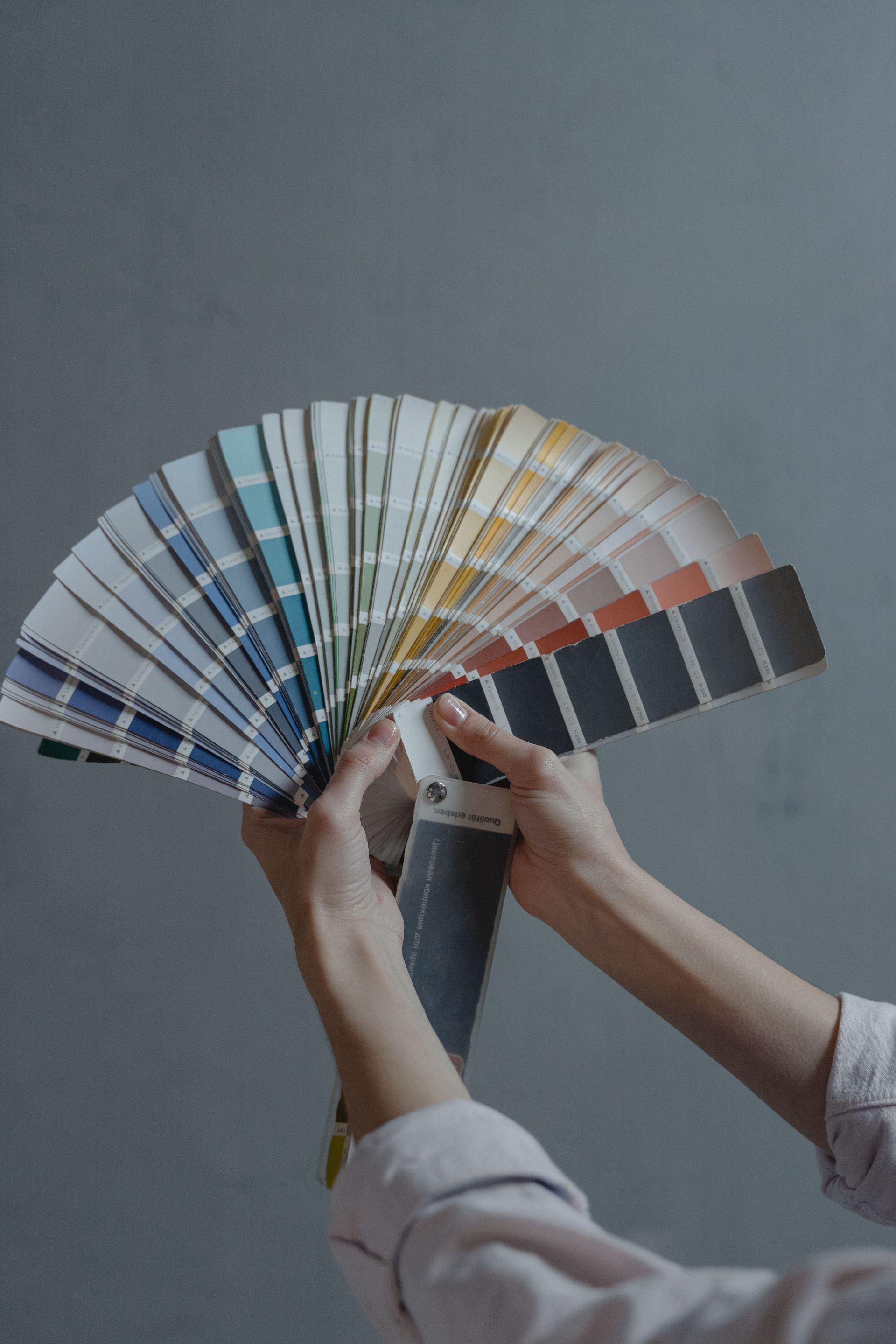
6. Outdated Color Scheme
Sometimes, the need for a repaint isn’t due to damage or wear but simply because the color scheme no longer aligns with your company’s branding (or looks dated). Updating the exterior paint can rejuvenate your building’s appearance, attract new customers, and reflect a modern, professional image.
Final Takeaway
Regular commercial painting and maintenance is essential, and the right approach will save you time and money in the long run.
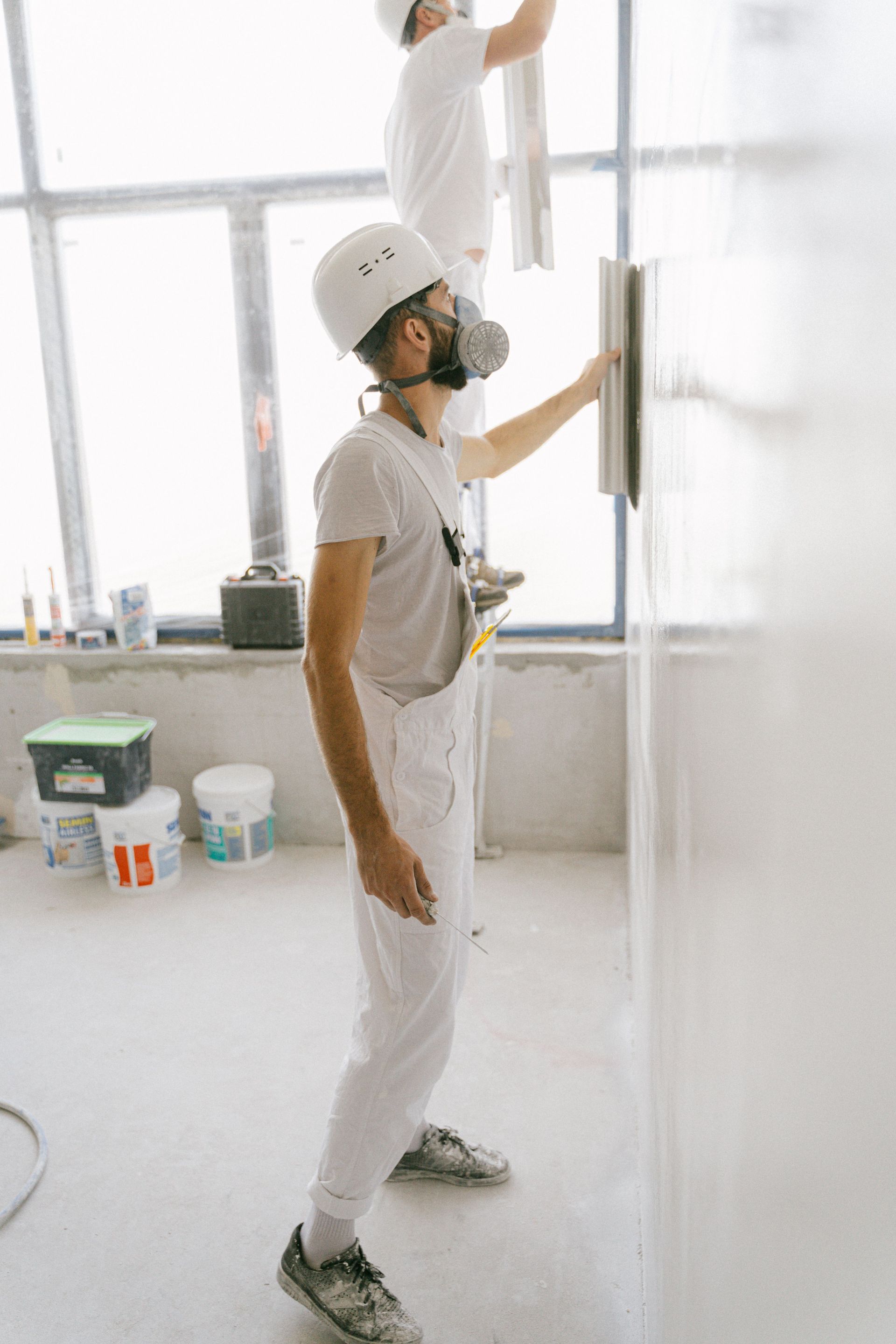
When it’s time to refresh your commercial property’s exterior, trust the experts at ELCO Painting. Serving all of Rhode Island and Southeastern Massachusetts since 1980, ELCO Painting combines old-world craftsmanship with modern techniques to deliver exceptional results. Contact us today to discuss your next painting project and experience the professionalism and quality that have made us a top-rated contractor in the region!
Frequently Asked Questions
Q: How often should a commercial building be repainted?
A: The frequency of repainting depends on factors like the building’s exposure to elements, the quality of previous paint jobs, and the materials used. Generally, it’s recommended to repaint every 5-10 years, but we recommend routine touch-ups on a rolling basis in between.
Q: Can I paint over existing paint, or do I need to remove the old layers first?
A: It depends on the condition of the existing paint. If the old paint is in good condition, surface preparation like cleaning and light sanding may suffice. However, if there’s peeling, cracking, or extensive damage, it’s best to remove the old paint to ensure proper adhesion of the new coat.
Q: What type of paint is best for commercial exteriors in Rhode Island?
A: High-quality acrylic latex paints are often recommended for their durability and resistance to weathering. It’s also beneficial to choose paints with mildew-resistant properties, given Rhode Island’s climate.
Q: How can I minimize disruption to my business during a repaint?
A: Scheduling painting during off-peak hours or periods of low activity can help minimize disruptions. Additionally, working with a professional painting contractor who can efficiently manage the project will ensure a smoother process.